
Blog Topics

Clitoral adhesions are one of the most underdiagnosed conditions in women's sexual health, yet they affect far more women than most people realize. Learn what they are, what causes them, and how pelvic floor physiotherapy can help you find lasting relief.

Pain during or following sexual activity is not a normal part of the experience, despite its frequent occurrence among many people. Although encountering pain at some moments in life is common, experiencing it during or after sex is not typical and should be addressed.

Levator Ani Syndrome involves tight and overactive pelvic floor muscles, causing issues for the pelvic organs including the rectum, bladder, urethra, uterus and the vagina. Pelvic floor physiotherapy plays a key role in treating this condition.

Menstrual discomfort, often referred to as Dysmenorrhea, can be a challenging and incapacitating ordeal for many. Despite being a widespread concern among women, the profound effect it exerts on one's quality of life should not be overlooked. In this blog, we'll delve into the correlation between distressing menstrual cycles and the potential advantages of pelvic floor physiotherapy in managing this issue.

Vaginismus is a complex condition characterized by involuntary spasms or contractions of the muscles surrounding the vagina. This involuntary response can occur in anticipation of penetration or during attempts at vaginal entry. It can lead to significant physical pain, emotional distress, and strain on relationships.

Pudendal Neuralgia is a challenging condition that impacts the pudendal nerve, a crucial nerve in the pelvic region. Those grappling with this condition frequently face persistent pain, discomfort, and other bothersome symptoms. In this blog, our goal is to bring attention to Pudendal Neuralgia and delve into how Pelvic Floor Physiotherapy can play a role in its treatment.

Provoked Vestibulodynia, also known as PVD or vestibulitis, is a debilitating condition that affects a significant number of women worldwide. Despite its prevalence, it remains widely misunderstood and often goes undiagnosed or misdiagnosed.

Pelvic pain can impact your daily life, intimacy, and well-being, but expert care can help. Explore common causes, learn how advanced pelvic floor physiotherapy provides lasting relief. Find out when to seek help and take control of your recovery. Read our full blog for expert insights!

Endometriosis is a complex and often painful medical condition that affects millions of women worldwide. While there's no cure for endometriosis, various treatments can help manage the symptoms and improve the quality of life for those who suffer from it.
Coccydynia, or coccyx pain, can be a debilitating condition that results in discomfort and distress. Although there are several treatment options, pelvic floor physiotherapy stands out as the primary approach for effectively managing Coccyx pain.

Interstitial Cystitis (IC), alternatively referred to as Painful Bladder Syndrome (PBS), is a persistent bladder condition. Predominantly impacting women, this condition can significantly influence one's quality of life, inducing discomfort, pain, and a sense of urgency regarding urination. Despite the absence of a definitive cure, there are avenues for relief.

Vulvodynia is a multifaceted and often misconstrued condition impacting a significant number of women globally and can impact both the physical and emotional well-being of affected individuals. Pelvic Floor Physiotherapy is one of the primary treatments for managing this condition.

Painful orgasms, also known as Dysorgasmia, can affect a woman’s quality of life and intimate relationships. In this blog, we explore the causes, such as pelvic floor dysfunction, clitoral adhesions, and more, and share evidence-based solutions, including pelvic floor physiotherapy for real relief.

This blog delves into the often-overlooked connection between chronic stress and pelvic floor tension. Learn how stress can contribute to symptoms like pelvic pain, incontinence, and bowel issues, and discover effective treatments such as pelvic floor physiotherapy. With practical tips on managing stress and improving pelvic health, this comprehensive guide offers valuable insights for long-term relief and well-being.

Struggling with pelvic pain, tightness, or discomfort? Vaginal dilators could be the game-changer you need! Learn how they work, how to use them safely, and why expert guidance makes all the difference. Don’t miss this must-read guide to reclaiming your comfort and confidence!

Navigating the complexities of voiding difficulties, from urinary retention to a weak stream, can be overwhelming. This blog explores how pelvic floor physiotherapy addresses these issues by targeting the root causes and improving bladder control through specialized exercises and therapies, offering non-invasive solutions for better well-being.

Discover how jaw clenching can contribute to pelvic pain through shared fascial, neurological, and postural pathways. This expert guide explains the jaw-pelvis connection and how pelvic floor physiotherapy can help relieve chronic symptoms others often overlook.

Hysterectomy is a surgical procedure that involves the removal of a woman's uterus. Like many other surgical procedures, rehabilitation post-hysterectomy is a crucial part of the journey to healing and recovery. Pelvic Floor Physiotherapy can help address many post-surgical concerns and prevent complications and dysfunctions. In this blog, we will be shedding light on how these two seemingly distinct aspects of women's health can work together for a healthier and happier life.

Congested Pelvic Syndrome (C.P.S.) is a medical condition characterized by the accumulation of blood in the veins of the pelvic area, resulting in discomfort, pain and pressure in the pelvis. Pelvic Floor Physiotherapy is a non-invasive strategy for addressing and relieving symptoms of C.P.S.

Menopause brings many changes, and for some women, painful sex is one of them. Hormonal shifts can lead to dryness, muscle tension, and discomfort, affecting intimacy and quality of life. Pelvic floor physiotherapy offers a non-invasive path to relief by addressing these core issues—helping restore comfort, confidence, and a fulfilling intimate life after menopause. Pain doesn’t have to be part of the journey.
Always feeling like you need to pee? This blog explains the difference between urinary urgency, frequency, and peezing (stress incontinence), what irritates the bladder, which habits may be making symptoms worse, and when pelvic floor physiotherapy may be needed.

Not all lubricants are created equal. This complete guide explains how to choose the safest lubricants for women, which ingredients to avoid, and how different types affect vaginal health, fertility, anal sex, and pelvic floor function. Learn how to protect sensitive tissues while improving comfort and pleasure.

First-time sex can feel exciting, awkward, vulnerable, or uncomfortable, and often nothing like what you were told to expect. This article explains what is physically and emotionally normal, why pelvic floor tension can influence pain, and how evidence-based preparation can support a more comfortable and confident first sexual experience.
Vaginal steaming is often promoted as a natural way to cleanse the vagina, balance hormones, or support pelvic health, yet these claims are not supported by scientific evidence. This article examines vaginal steaming through a pelvic floor physiotherapy lens, outlining potential risks, common misconceptions, and safer, evidence-based approaches to vaginal and pelvic health.
Yoni eggs are often promoted for pelvic floor strengthening and vaginal health, yet these claims rarely reflect how the pelvic floor actually functions. This article explains the anatomy, potential risks, and why assessment-based pelvic floor physiotherapy offers a safer, evidence-informed approach.

The belief that intercourse permanently loosens the vagina is a persistent myth rooted in a misunderstanding of pelvic anatomy. This article examines vaginal and pelvic floor physiology, clarifies why sexual activity does not alter vaginal structure, and explores the roles of muscle coordination, hormones, and the nervous system in sexual sensation.
Bladder habits play a critical role in urinary function and are often an overlooked contributor to urgency, frequency, and difficulty with bladder control. This blog examines the physiology of urination, the impact of learned behaviours such as “peeing just in case” on bladder signalling, and the role of pelvic floor muscle coordination and nervous system regulation. It outlines evidence-informed strategies, including pelvic floor physiotherapy, to restore healthy bladder timing and function.

Urinary urgency and frequency are prevalent symptoms that can profoundly affect quality of life. These challenges typically stem from various factors, including underlying pelvic floor dysfunction, leading to disruptions in daily routines and disturbances in sleep patterns. Thankfully, pelvic floor physiotherapy provides accessible and efficacious treatment solutions to tackle these issues, offering hope for improved well-being without invasive measures.

Vaginal dryness is a common condition that affects many women, causing discomfort, pain, and a range of other symptoms. While it can occur at any stage of a woman's life, it is particularly prevalent during and after menopause.

Gentle cleansing of the vulva is often sufficient with just water, but for those who prefer using products, it’s essential to choose safe, non-irritating options. This expert guide highlights why harsh ingredients like salicylic acid should be avoided and offers product recommendations specifically for vulva care, while also providing practical tips for maintaining pelvic health.

Pelvic health is vital for overall well-being, and regular visits to a pelvic floor physiotherapist can help prevent and treat issues like incontinence, pain, and sexual dysfunction. Even without symptoms, annual check-ups are recommended to maintain pelvic muscle health and detect early signs of dysfunction.

Biofeedback is a key tool in pelvic floor physiotherapy, helping manage conditions like incontinence and pelvic pain. At Ova, we use biofeedback to personalize care and improve outcomes. This blog covers how biofeedback works and why it's essential for your pelvic health recovery.

From painful sex and vulvodynia to vaginismus and menopause-related symptoms, pelvic floor issues affect millions—but most go undiagnosed. This blog breaks down the stats, misconceptions, and why annual checkups could change everything.

Menopause is a natural biological process signalling the end of a woman's reproductive years. The transition period leading up to menopause, known as perimenopause, and the years following it, bring significant changes to a woman's body. These changes often come with various symptoms impacting physical, emotional, and mental well-being.
In this blog, we delve into the common symptoms of pre and post-menopause and emphasize the vital role of pelvic floor physiotherapy in maintaining well-being during this transition.

Struggling with vaginal burning after sex? You’re not alone, and there’s hope! Dive into our latest blog to uncover the causes behind this discomfort—like dryness, infections, and pelvic floor dysfunction—and explore proven solutions to find lasting relief.

Urinary and fecal incontinence, which involve the involuntary release of urine or feces, significantly affect the quality of life for many individuals worldwide. These conditions can cause social embarrassment, anxiety, and a decrease in participation in daily activities. In this blog, we will delve into the causes and symptoms of these conditions and discuss why pelvic floor physiotherapy is considered the leading treatment option for managing incontinence.

Pelvic organ prolapse is an uncomfortable condition that affects many women. This can occur due to weakened pelvic floor muscles or other soft tissues that are responsible to hold our pelvic organs.

Whether it's intercourse or outercourse, things can get messy during sex. No need to sprint to the shower right away, but a bit of cleanup can keep things feeling good and prevent any unwanted irritation. We're breaking down myths and sharing the ultimate post-sex hygiene tips.

Explore the differences between pelvic floor physiotherapists and gynecologists, including their areas of expertise, when to see each, and how they collaborate to provide complete care for pelvic and reproductive health. This guide helps you make informed decisions about managing your health effectively.
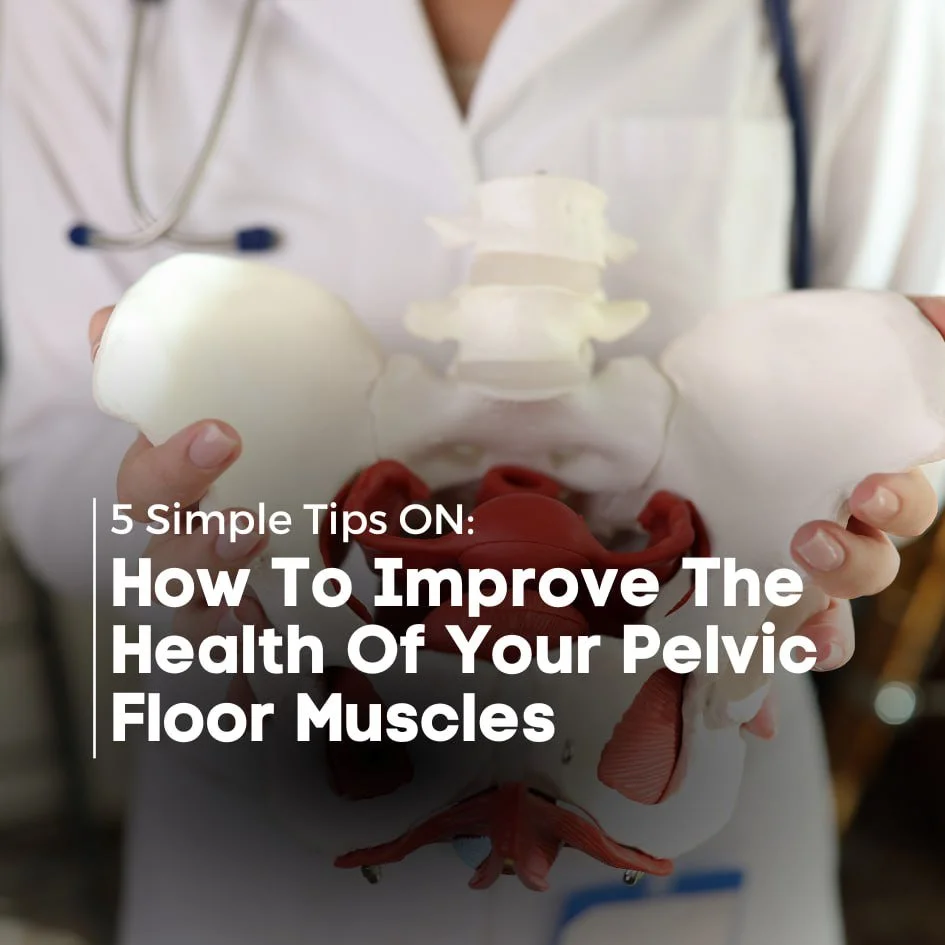
A healthy Pelvic Floor has numerous benefits for both men and women. Unfortunately, many people neglect this vital area of their body, leading to issues.

Pregnancy is a beautiful and transformative journey for a woman, filled with numerous changes in her body. Along with the joy and anticipation, it can also bring discomfort and challenges. Round ligament pain is a common concern during pregnancy and can affect a woman's quality of life. Despite its prevalence, there are numerous treatment options to alleviate the pain.

C section scars, perineal scars, jaw clenching, tailbone pain. Here is what red light therapy can and cannot do, and how we use it alongside pelvic floor physiotherapy at Ova.
Dealing with perineal scars can be an overwhelming experience, but thanks to advances in pelvic floor physiotherapy, there's now a hopeful avenue for healing. Many have yet to discover this effective treatment option. In this blog, we'll dive deep into perineal scar rehabilitation, revealing how crucial pelvic floor physiotherapy is in facilitating recovery and improving quality of life.

Although traditional approaches such as warm compresses and massage are frequently beneficial, they may not completely alleviate the symptoms. Therapeutic Ultrasound emerges as a promising solution for both pain relief and addressing the difficulties associated with a clogged milk duct.
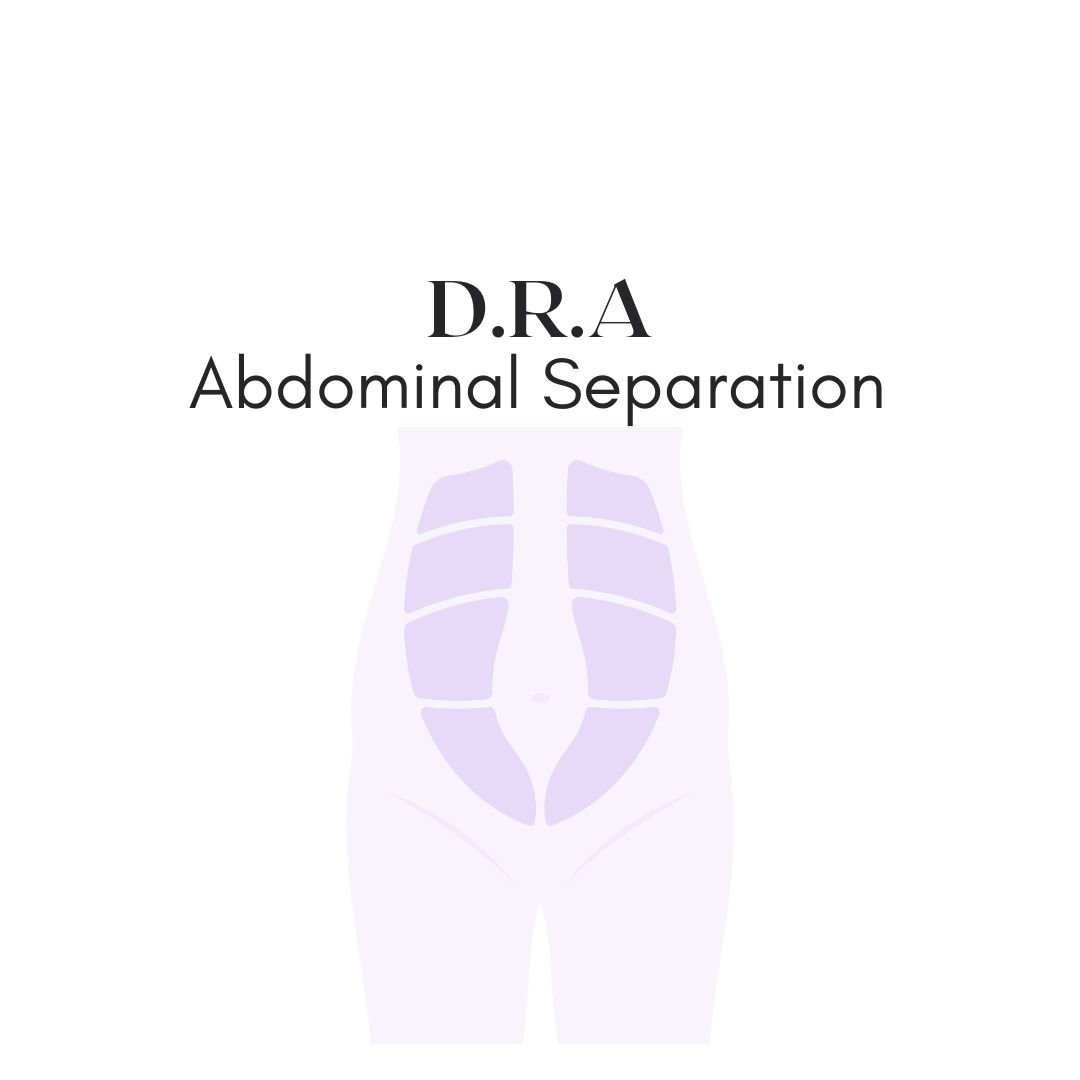
Diastasis Rectus Abdominus (D.R.A) commonly occurs during pregnancy but can affect anyone. Sorting through information on Diastasis Recti (D.R.A) can be a bit much. Among the various tips, courses, and exercises, it's important to know that not all advice on Diastasis Recti is the same or supported by solid research!

Preparing for birth is crucial for a smooth and positive childbirth experience. At Ova, our "Preparation for Birth" program equips expectant mothers with the knowledge and physical readiness necessary for labour and delivery.

Childbirth marks a profound physical transformation, bringing immense joy alongside notable challenges. In the aftermath, many new mothers face issues with their pelvic floor and core muscles, experiencing discomfort and decreased functionality. Pelvic floor and core rehabilitation are essential during the postpartum period to address these changes. This guide explores the importance of these areas, outlines what rehabilitation entails, and highlights the benefits of dedicated postpartum care for women.

Cesarean birth is a procedure known for its precision and care, to bring your baby safely into the world. By delicately navigating through the layers of the abdomen and uterus, a C-section ensures a secure and nurturing passage for your newborn. Although widely performed and often crucial, the Cesarean process may result in a scar that introduces a range of physical challenges, emphasizing the need for focused rehabilitation.

Pregnancy is a transformative and beautiful experience for many women, but it often comes with various physical challenges, one of which is lower back pain. Lower back pain during pregnancy is a common complaint, affecting approximately 50-70% of pregnant women. Understanding its causes and exploring effective treatments, such as pelvic floor physiotherapy, can greatly enhance the quality of life during this crucial time.

Bowel and bladder issues are common during pregnancy and postpartum, but they are manageable. Pelvic floor physiotherapy can significantly enhance pelvic health, enabling women to experience motherhood with greater confidence and comfort.

Discover how pelvic floor physiotherapy supports you through every stage of pregnancy and postpartum recovery. From preventing incontinence and pelvic pain to preparing for birth and healing after delivery, this guide covers everything you need to know, including Emergency Ultrasound Therapy for Clogged Milk Ducts.

Pelvic Girdle Pain (PGP) is a common concern for many pregnant individuals, and it can significantly impact the joyful journey of pregnancy. In this article, we will delve into what PGP is, its prevalence during pregnancy, and how Pelvic Floor Physiotherapy plays a crucial role in managing this discomfort.

Pregnancy is a transformative and joyous time for many women, but it can also come with challenges and discomforts. One common issue experienced during pregnancy is Pubic Symphysis Pain, which can significantly impact a woman's daily life.
Clitoral Adhesions: Causes, Symptoms & Pelvic Floor Physiotherapy Treatment
Clitoral adhesions are one of the most underdiagnosed conditions in women's sexual health, yet they affect far more women than most people realize. Learn what they are, what causes them, and how pelvic floor physiotherapy can help you find lasting relief.
Painful Menstrual Cycles and the Role of Pelvic Floor Physiotherapy
Menstrual discomfort, often referred to as Dysmenorrhea, can be a challenging and incapacitating ordeal for many. Despite being a widespread concern among women, the profound effect it exerts on one's quality of life should not be overlooked. In this blog, we'll delve into the correlation between distressing menstrual cycles and the potential advantages of pelvic floor physiotherapy in managing this issue.
Understanding Diastasis Recti and the Role of Pelvic Floor Physiotherapy in Recovery
Diastasis Rectus Abdominus (D.R.A) commonly occurs during pregnancy but can affect anyone. Sorting through information on Diastasis Recti (D.R.A) can be a bit much. Among the various tips, courses, and exercises, it's important to know that not all advice on Diastasis Recti is the same or supported by solid research!
What’s Causing Your Pelvic Pain? Symptoms, Causes, and Solutions
Pelvic pain can impact your daily life, intimacy, and well-being, but expert care can help. Explore common causes, learn how advanced pelvic floor physiotherapy provides lasting relief. Find out when to seek help and take control of your recovery. Read our full blog for expert insights!
Overcoming Endometriosis: The Role of Pelvic Floor Physiotherapy
Endometriosis is a complex and often painful medical condition that affects millions of women worldwide. While there's no cure for endometriosis, various treatments can help manage the symptoms and improve the quality of life for those who suffer from it.
Pelvic Floor Physiotherapy for Coccyx/Tailbone Pain Relief
Coccydynia, or coccyx pain, can be a debilitating condition that results in discomfort and distress. Although there are several treatment options, pelvic floor physiotherapy stands out as the primary approach for effectively managing Coccyx pain.
Painful Orgasm: Causes, Treatment Options, and the Role of Pelvic Floor Physiotherapy
Painful orgasms, also known as Dysorgasmia, can affect a woman’s quality of life and intimate relationships. In this blog, we explore the causes, such as pelvic floor dysfunction, clitoral adhesions, and more, and share evidence-based solutions, including pelvic floor physiotherapy for real relief.
Prioritize Your Pelvic Health: The Benefits of Pelvic Floor Physiotherapy
Pelvic health is vital for overall well-being, and regular visits to a pelvic floor physiotherapist can help prevent and treat issues like incontinence, pain, and sexual dysfunction. Even without symptoms, annual check-ups are recommended to maintain pelvic muscle health and detect early signs of dysfunction.
Stress and Pelvic Floor Tension: How Stress Impacts Your Pelvic Health
This blog delves into the often-overlooked connection between chronic stress and pelvic floor tension. Learn how stress can contribute to symptoms like pelvic pain, incontinence, and bowel issues, and discover effective treatments such as pelvic floor physiotherapy. With practical tips on managing stress and improving pelvic health, this comprehensive guide offers valuable insights for long-term relief and well-being.
Tight Jaw, Painful Pelvis?
Discover how jaw clenching can contribute to pelvic pain through shared fascial, neurological, and postural pathways. This expert guide explains the jaw-pelvis connection and how pelvic floor physiotherapy can help relieve chronic symptoms others often overlook.
Congested Pelvic Syndrome
Congested Pelvic Syndrome (C.P.S.) is a medical condition characterized by the accumulation of blood in the veins of the pelvic area, resulting in discomfort, pain and pressure in the pelvis. Pelvic Floor Physiotherapy is a non-invasive strategy for addressing and relieving symptoms of C.P.S.