Vaginal Dilators: A Key Tool in Pelvic Floor Physiotherapy
Vaginal dilators are a valuable tool in pelvic floor physiotherapy, designed to help individuals experiencing difficulty, pain, or discomfort with vaginal insertion due to various conditions. Whether you’re dealing with vaginismus, pelvic pain, menopause-related vaginal atrophy, or recovering from pelvic surgery, vaginal dilators can play a crucial role in restoring comfort, function, and overall pelvic health.
In this blog, we'll explore what vaginal dilators are, how they help, how to use them correctly, and why working with a pelvic floor physiotherapist is essential.
⭐ Key Takeaways
Vaginal dilators are a medical tool used to gently stretch and desensitize the vaginal tissues, helping women with conditions such as vaginismus, dyspareunia, menopause-related atrophy, and post-surgical recovery.
When used correctly, dilators improve elasticity, reduce pain, calm nervous system hypersensitivity, and help retrain overactive pelvic floor muscles.
The starting size, technique, and progression speed must be individualized, which is why working with a pelvic floor physiotherapist is essential.
Medical-grade silicone or plastic dilators are the safest. Avoid DIY alternatives, porous materials, and any product not approved for internal use.
Pelvic floor physiotherapy enhances dilator success through manual therapy, breathing strategies, biofeedback, and gradual desensitization techniques.
Consistency matters: Progress happens with gentle practice, emotional support, and proper guidance, not force or rushing.
When combined with expert pelvic floor physiotherapy, dilators are one of the most effective tools for overcoming penetration pain, restoring function, and rebuilding confidence.
🎥 Watch: How Do Vaginal Dilators Work? Physio Guide for Pain Relief
Vaginal dilators are one of the most effective tools in pelvic floor physiotherapy for treating vaginismus, dyspareunia, and penetration pain. In this video, our team at Ova Women's Health in Burnaby, BC walks you through how dilator therapy works, how to use dilators safely, and why pelvic floor physiotherapy is essential for real, lasting results.
What Are Vaginal Dilators?

Vaginal dilators are medical-grade devices designed to gently stretch and relax the vaginal muscles along with reframing the experience of insertion for the nervous system and the brain. They come in different sizes, typically made from high-quality silicone or plastic, and are used to improve vaginal elasticity, reduce pain, and enhance comfort with penetration.
Dilators are commonly recommended for individuals experiencing:
✔️ Vaginismus – Involuntary tightening of the vaginal muscles, making penetration painful and impossible.
✔️ Dyspareunia (painful intercourse) – Discomfort during sex due to tight and overactive pelvic floor muscles or scar tissue.
✔️ Pelvic surgery or radiation recovery – Following cancer treatments, hysterectomy, or other pelvic surgeries, dilators help maintain vaginal elasticity.
✔️ Menopause-related vaginal atrophy – Hormonal changes can lead to vaginal dryness and tightness, which dilators help address.
When used as part of a structured pelvic floor physiotherapy program, vaginal dilators can significantly improve flexibility, reduce pain, and help restore confidence with penetration—whether for medical exams, tampon use, or sexual activity.
How Can Vaginal Dilators Help?
Vaginal dilators gradually desensitize and stretch the tissues around the vaginal canal and pelvic floor muscles, making penetration more comfortable. When used correctly—under the guidance of a pelvic floor physiotherapist—they can:
✔️ Improve vaginal elasticity – Gradual stretching helps restore natural flexibility.
✔️ Reduce pain and discomfort – Dilators help desensitize the tissue and reframe the experience of insertion for the nervous system, making penetration less painful.
✔️ Relax overactive pelvic floor muscles – Many people experiencing pain have tight pelvic muscles, which can become even more overactive as a response to any insertion attempts. Dilators can help with this concern.
✔️ Aid in recovery from medical treatments – After surgery or radiation, dilators prevent vaginal tightness and narrowing and maintain flexibility and function.
✔️ Improve confidence with penetration – Regular use helps reduce anxiety and fear of pain, increasing overall comfort.
Because every individual’s body is different, a pelvic floor physiotherapist will guide you in choosing the right size, technique, and treatment plan tailored to your condition.
Choosing the Right Vaginal Dilator: What to Look For & Where to Buy
Not all vaginal dilators are created equal. Using unsafe or non-medical-grade products can lead to irritation, infections, or worsening symptoms. Here’s what to look for when choosing a safe, effective vaginal dilator:
✔️ Medical-Grade Silicone or Plastic – Avoid porous or unknown materials, as they can harbor bacteria. Medical-grade materials are smooth, non-toxic, and body-safe.
✔️ Gradual Sizing Options – A good dilator set should offer a range of sizes, allowing for gentle progression.
✔️ Certified by Health Authorities – Always choose clinically approved products that meet medical safety standards. Avoid DIY methods like using candles or random objects.
✔️ Easy to Clean – Non-porous dilators should be cleaned and sanitized after each use to prevent infections.
✔️ Comfortable Shape & Design – The dilator should have a smooth, tapered design for easier insertion.
Where to Buy Trusted Medical-Grade Vaginal Dilators
To ensure you use a high-quality, safe vaginal dilator, we have carefully selected Recommended Products that meet medical safety standards.
🔹 Click Here to Shop Medical-Grade Vaginal Dilators 🔹
Our recommended dilators are:
✅ Medical-grade and body-safe
✅ Clinically approved for pelvic floor therapy
✅ Trusted by healthcare professionals
If you're unsure which size or set is right for you, we can guide you in selecting the correct product during your pelvic floor physiotherapy sessions.
How to Use Vaginal Dilators Correctly
Using vaginal dilators properly is crucial for achieving results without causing pain, additional stress to your nervous system or damage. DO NOT follow advice from random online sources—incorrect use can worsen symptoms or lead to injury.
We recommend working with a pelvic floor physiotherapist who is highly experienced in the treatment of conditions such as Vaginismus and Vulvodynia to ensure you are using the right size, technique, approach and mindset when incorporating dilators into your routine.
1. Get a Professional Recommendation First
A pelvic floor physiotherapist will assess:
✅ Your pelvic floor muscle tone- This assessment will offer valuable insight into tissue sensitivity, muscle tone, and specific areas of pain that require targeted treatment and desensitization for optimal healing.
✅ The correct starting size to ensure a safe, comfortable experience
✅ How often and how to use dilators based on your condition
2. Choose a Comfortable, Private Space
Relaxation is essential. Use your dilator in a calm, stress-free environment.
3. Apply a Water-Based Lubricant
Use a high-quality, water-based lubricant to reduce friction and improve comfort during insertion. Avoid glycerin-based lubricants, as they can cause irritation.
4. Insert the Dilator Gently
Find a comfortable position (such as lying on your back with your knees bent).
Take slow, deep breaths to help relax your pelvic floor muscles.
Insert the dilator slowly and gently—DO NOT force it in!
If you feel pain, stop and adjust your technique.
5. Hold and Breathe
Keep the dilator in place for 5-15 minutes while practicing slow, diaphragmatic breathing.
If comfortable, gently move the dilator side to side or slightly in and out to improve mobility.
6. Progress Gradually
Over time, move up to the next size as your muscles adjust.
NEVER rush the process or force a larger size before you’re ready.
7. Use Regularly & Follow Up with a Pelvic Floor Physiotherapist
Dilators should be used several times per week, depending on your treatment plan.
Follow-up sessions with a Pelvic Floor Physiotherapist ensure safe progression and address any challenges.
Why Choose Ova Women’s Health Physio in Burnaby, BC?
While vaginal dilators are an effective tool, using them under the guidance of a pelvic floor physiotherapist ensures the best outcomes.
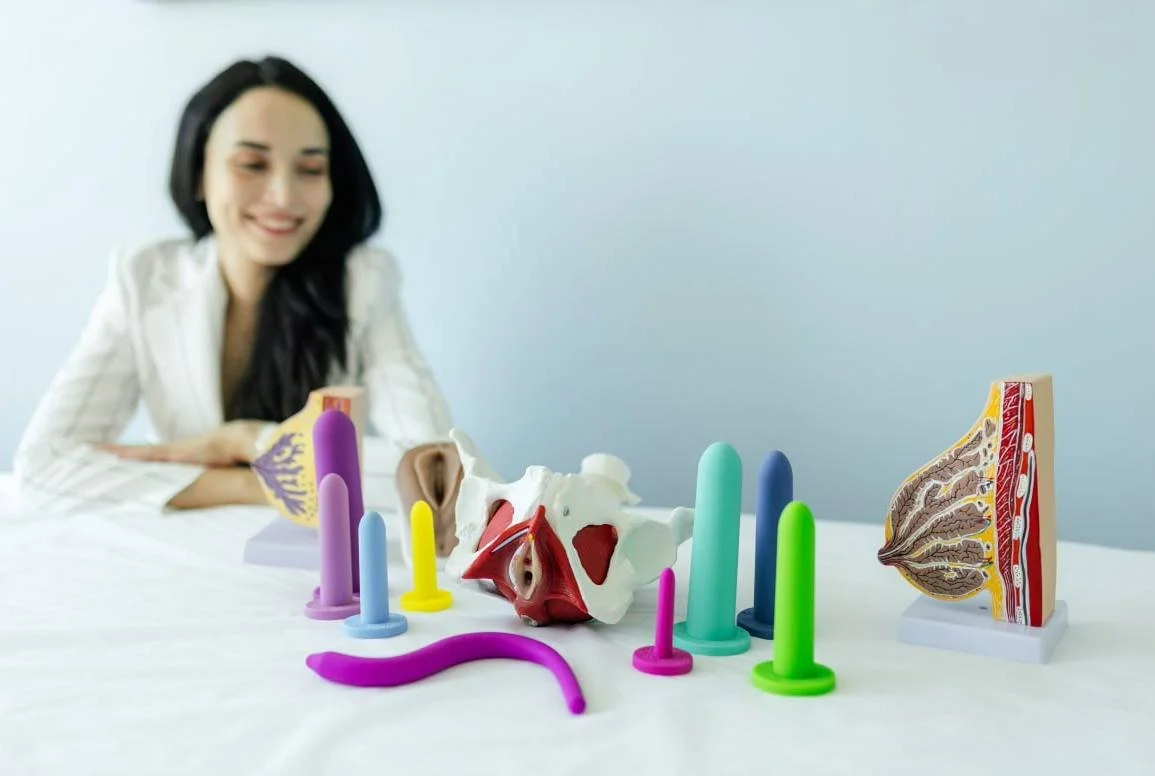
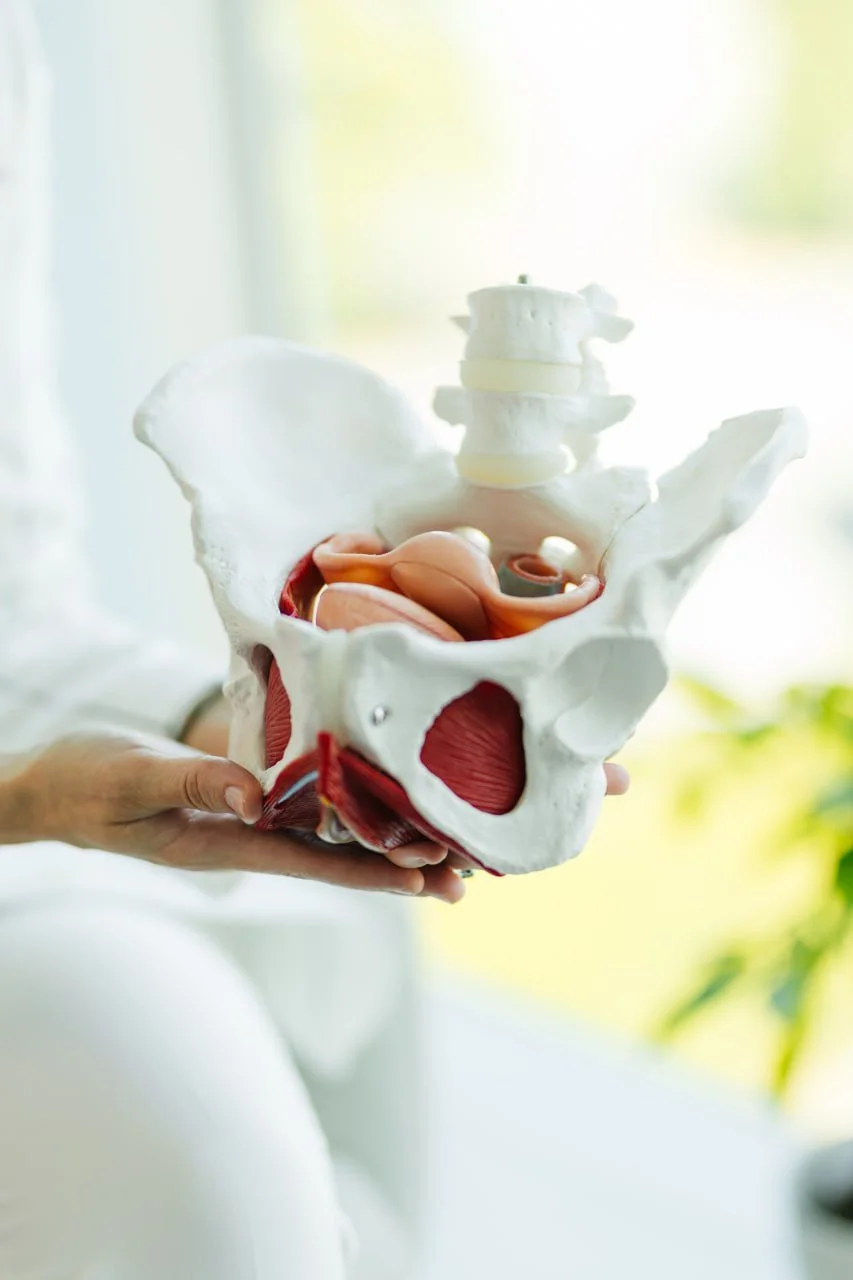

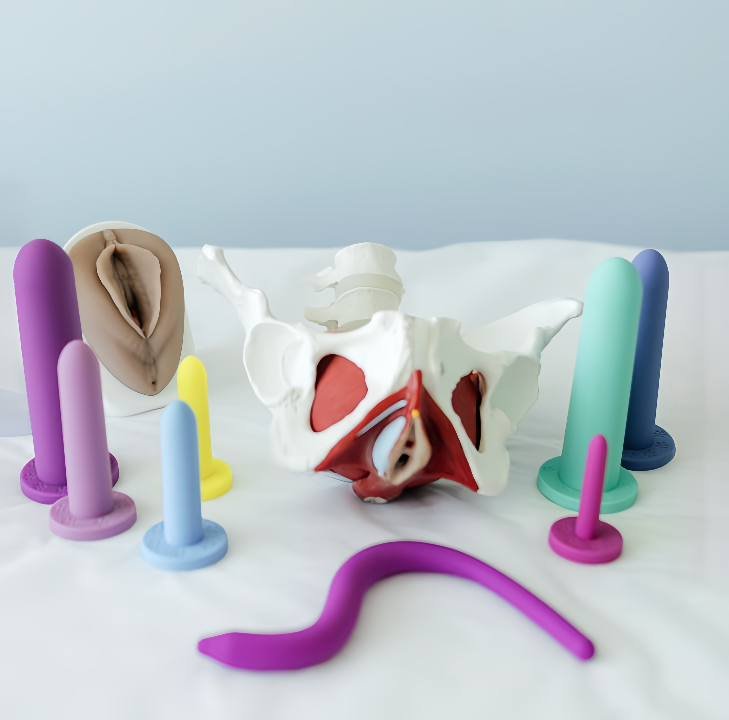
At Ova, we provide:
✅ Expert pelvic floor assessments – We evaluate your muscle tone and customize your treatment plan.
✅ Hands-on guidance for proper technique – We teach you the right size, insertion method, and relaxation techniques.
✅ Additional therapy options – Biofeedback, breathing exercises, and manual therapy complement dilator use.
✅ Support for emotional well-being – Overcoming pain can be an emotional process, and we’re here to help.
✅ Safe and effective product recommendations – We offer trusted, medical-grade dilators to ensure your safety and success.
If you’re experiencing pelvic pain, discomfort, or difficulty with penetration, you’re not alone. Vaginal dilators, combined with pelvic floor physiotherapy, can help you regain comfort, confidence, and control over your pelvic health.
Ready to Begin?
Don’t wait. The sooner we start, the sooner you can feel stronger and more supported. Space is limited due to high demand, but if you’re ready to take the first step toward lasting pelvic health, we’re here to help.
❓FAQs About Vaginal Dilators
-
When used correctly and under the guidance of a pelvic floor physiotherapist, dilators should not cause pain. You may experience gentle stretching or mild discomfort initially, but the goal is to achieve gradual progress without strain or injury.
-
Every woman’s body is different. Some notice improvement within a few weeks, while others need more time. Consistency and correct technique are key to long-term success.
-
It’s best to begin under professional guidance. Using the wrong size or technique can make symptoms worse. A pelvic floor physiotherapist will assess your needs and teach you how to use dilators safely and effectively.
-
Choose a water-based, glycerin-free lubricant. Avoid oil- or silicone-based products unless recommended, as they can irritate or damage the dilator material.
-
No. Dilators are also used to aid recovery after surgery, radiation therapy, or menopause-related changes, helping maintain vaginal elasticity and comfort.
-
Yes. When integrated into a pelvic floor physiotherapy program, they help desensitize tissue, retrain the nervous system, and reduce pain or fear associated with penetration.
-
Use mild, fragrance-free soap and warm water. Clean them after each use, dry thoroughly, and store in a clean container.
📌Related Blogs on Our Website
➡️Relieving Vulvodynia: A Journey From Pain to Pleasure
➡️Painful Intercourse: A Comprehensive Guide
➡️Vaginismus & The Role Of Pelvic Floor
📌External References and Resources
🌐Cleveland Clinic – Vaginismus & Pelvic Pain