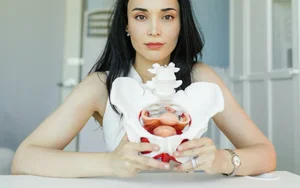
Pregnancy and postpartum are remarkable stages of life, but they also bring physical changes that can impact comfort, movement, and pelvic health. Pelvic floor physiotherapy is one of the most effective ways to support your body through these changes, prevent symptoms, and recover with confidence. Whether you are preparing for pregnancy, navigating discomfort, or healing after birth, pelvic floor physiotherapy provides safe, evidence-based guidance every step of the way.
⭐ Key Takeaways
• Pelvic floor physiotherapy supports your body through all stages of pregnancy and postpartum
• Helps reduce pelvic pain, urinary leakage, constipation, and pelvic pressure
• Prepares your pelvic floor for a smoother labour and delivery
• Supports postpartum healing, including clogged ducts, scar recovery, and diastasis recti
• Personalized exercises strengthen the core and pelvic floor without overloading tissues
• Evidence-based care reduces the risk of long-term pelvic floor dysfunction
🎥 Watch: Pelvic Floor Physiotherapy for Pregnancy & Postpartum — What Every Woman Should Know
This video is a complete trimester-by-trimester guide to pelvic floor physiotherapy during pregnancy and postpartum recovery, covering pelvic girdle pain, Pubic Symphysis Dysfunction, labour preparation, perineal massage, diastasis recti, clogged milk ducts, postpartum core rehabilitation, prolapse management, and safe return to exercise. Whether you are newly pregnant or weeks into postpartum healing, pelvic floor physiotherapy in Burnaby supports every stage of your journey.
What is Pelvic Floor Physiotherapy?

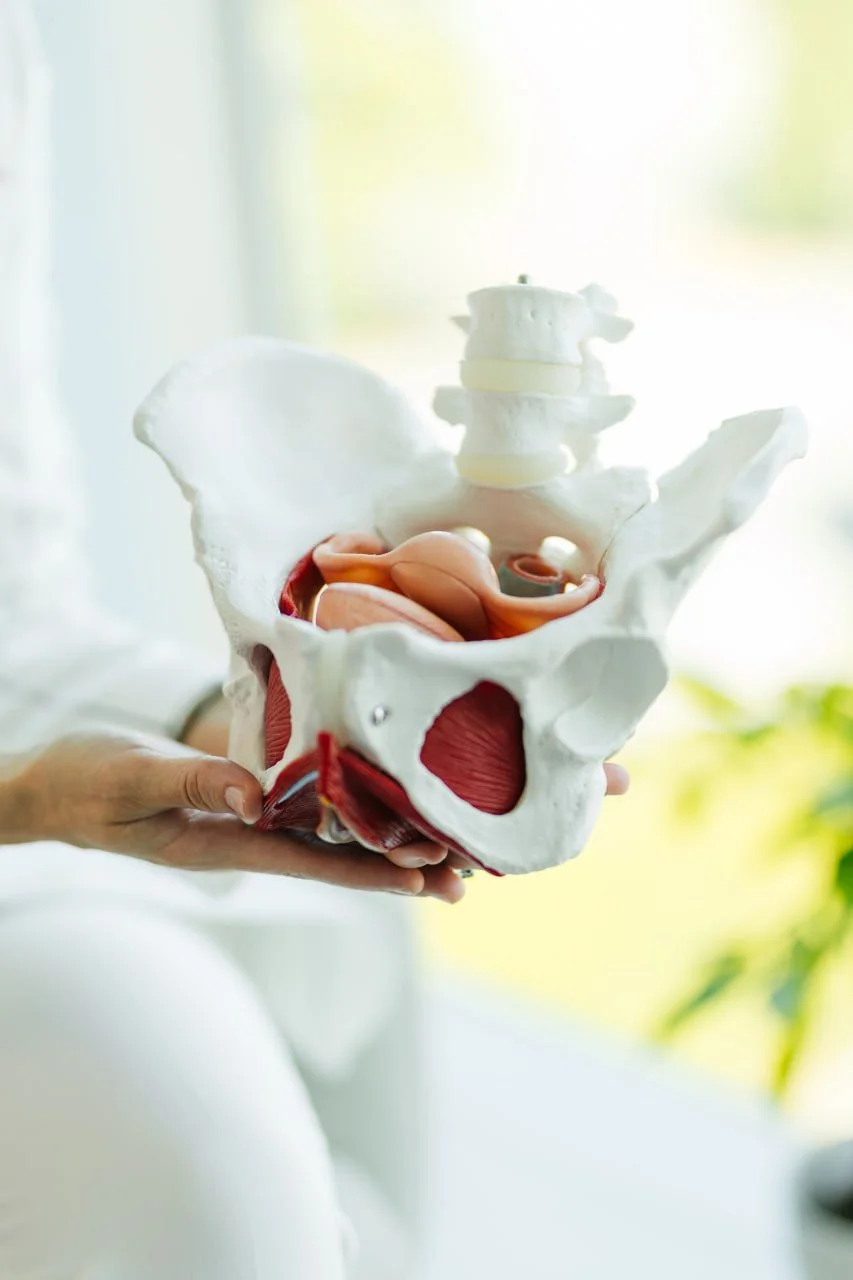
Pelvic floor physiotherapy focuses on assessing, treating, and strengthening your body, including the pelvic floor muscles that support your bladder, uterus, and rectum. These muscles play a vital role in controlling bladder and bowel function, stabilizing your pelvis, and supporting your body during pregnancy and childbirth.
At Ova, we specialize in empowering women to feel strong and confident during pregnancy and recovery. Here’s how we help, stage by stage.
How Pelvic Floor Physiotherapy Helps During Pregnancy
First Trimester (Weeks 1–13): Laying the Foundation
As your body begins to adjust to pregnancy, you may notice changes like pelvic pressure, back pain, or increased urinary frequency.
Common Issues We Address:
Low back pain or sacroiliac (SI) joint discomfort.
Pelvic pressure or discomfort.
Early signs of urinary incontinence.
Our Approach:
Comprehensive Assessment: We assess your posture, movement patterns and your pelvic floor muscles to identify weaknesses, overactivity and compensatory patterns early on.
Postural Support: Pregnancy alters your posture, which can strain your pelvic floor and spine. We teach strategies to maintain proper alignment.
Breathing Techniques: We focus on diaphragmatic breathing to reduce tension in your core and pelvic floor.
Gentle Exercises: Learn safe movements based on your baseline activity level to support your body as it adapts to pregnancy and to improve coordination and control.
Second Trimester (Weeks 14–27): Managing Changes and Growing Comfortably
Your baby’s growth brings new challenges, such as pelvic girdle pain, sciatica, or bladder leakage.
Common Issues We Address:
Pelvic girdle pain or Pubic Symphysis Dysfunction (SPD).
Sciatica or leg pain.
Stress incontinence or urinary leakage.
Constipation is caused by hormonal changes.
Our Approach:
Pain Relief: Manual therapy and tailored exercises help relieve pelvic and back pain.
Bladder and Bowel Health: Address incontinence and constipation with customized pelvic floor exercises and lifestyle tips.
Core Strengthening: Safely strengthen your core muscles to support your growing belly without overloading your pelvic floor.
Third Trimester (Weeks 28–40): Preparing for Labour
As your due date approaches, we focus on preparing your body for delivery and addressing any discomfort caused by the added weight and pressure.
Common Issues We Address:
Pelvic heaviness or pressure.
Worsened urinary leakage.
Anxiety about labour and delivery.
Our Approach:
Labour Preparation:
Teach perineal massage techniques to reduce the risk of tearing.
Educate on breathing and relaxation strategies for delivery.
Pushing techniques and strategies to minimize the risk of tearing by effective pushing during delivery.
Explore optimal birthing positions tailored to your pelvic alignment.
Managing Pain: Relieve discomfort with manual therapy, stretches, and movement strategies.
How Pelvic Floor Physiotherapy Supports Postpartum Recovery
Immediate Postpartum (First 6 Weeks): Early Healing and Relief
After delivery, your body begins the healing process, but symptoms like perineal pain, urinary leakage, or clogged milk ducts can occur.
Common Issues We Address:
Perineal or pelvic pain.
Urinary urgency or leakage.
Diastasis recti (abdominal separation).
Our Approach:

Postpartum Assessment: At 4–6 weeks postpartum, we address your pelvic floor dysfunction, assess abdominal muscles and focus on overall recovery.
Relief for Clogged Milk Ducts:
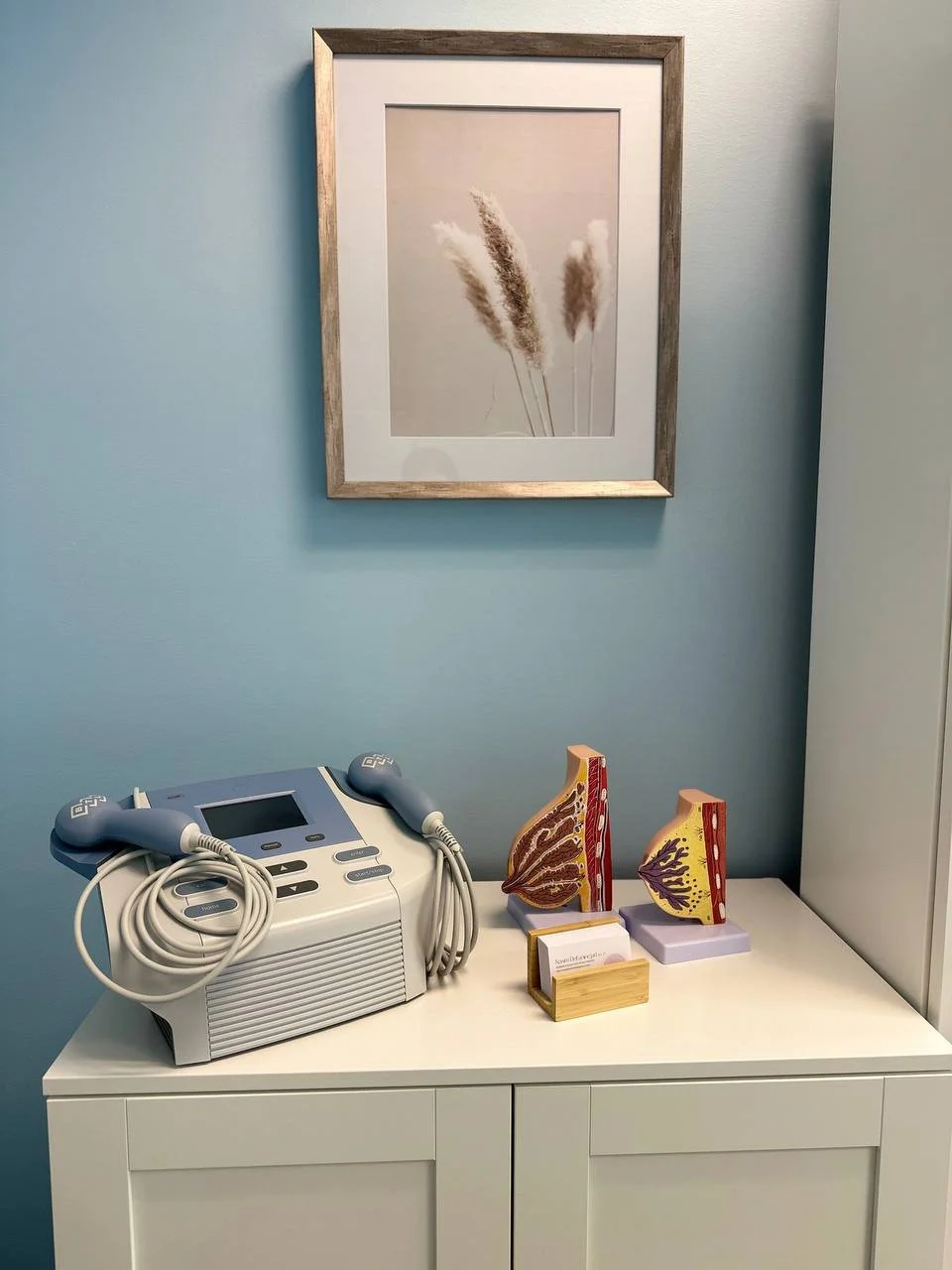
We use Therapeutic Ultrasound therapy to treat clogged ducts.
Emergency appointments are available to ensure fast, effective relief and prevent mastitis.
Gentle Healing Exercises: Introduce light movements and breathing techniques to reduce swelling and promote healing.
Ongoing Postpartum Recovery (6 Weeks Onward): Rebuilding Strength and Confidence
Your postpartum recovery journey doesn’t stop after six weeks—it’s a process that deserves personalized care to address lingering symptoms and regain strength.
Common Issues We Address:
Pelvic pain or heaviness (possible signs of prolapse).
Bladder or bowel control issues.
Pain during intercourse (dyspareunia).
Difficulty returning to exercise.
Our Approach:
Rebuilding Strength:
Progressive pelvic floor exercises to restore strength and function.
Core stability exercises to improve diastasis recti and overall core support.
Prolapse Management:
Provide exercises and education to reduce prolapse symptoms and improve pelvic support.
Teach lifestyle adjustments like posture correction and proper lifting techniques.
Pain-Free Intercourse: Address scar tissue, tight muscles, and hormonal changes causing discomfort with manual therapy and relaxation techniques.
Safe Return to Fitness: Gradually guide you back into exercise, focusing on protecting your pelvic floor while rebuilding strength.
❓FAQs About Pregnancy and Postpartum Pelvic Floor Physiotherapy
-
Not always, but it is highly recommended. Even without symptoms, pregnancy places increased pressure on the pelvic floor. An assessment helps you learn how your pelvic muscles are functioning and prevents issues like incontinence, heaviness, or back pain later in pregnancy or postpartum.
-
Yes. Pelvic floor physiotherapy is safe throughout pregnancy when performed by a trained pelvic health physiotherapist. Your treatment plan is always modified based on your trimester, symptoms, and comfort level.
-
Yes. Preparing your pelvic floor through relaxation techniques, breathing strategies, perineal preparation, and learning how to push effectively can reduce tearing risk and support a smoother delivery.
-
Persistent pelvic pain, vulvar pressure, urinary leakage, constipation, pubic symphysis pain, sharp groin pain, and worsening back pain are signals your pelvis needs support. Early treatment prevents long-term issues.
-
Most patients book at 4 to 6 weeks postpartum. This session checks your pelvic floor recovery, diastasis recti, scar healing, prolapse symptoms, bladder control, and readiness to return to exercise.
-
Yes. Postpartum pain during penetration can be caused by scar tissue, hormonal dryness, tight pelvic floor muscles, or nerve sensitization. Treatment reduces tension, improves blood flow, and supports comfortable intimacy.
-
No referral is needed. You can book directly, and pelvic floor physiotherapy is covered under most extended health insurance plans.
-
Yes. Medical clearance is recommended before beginning postpartum pelvic floor physiotherapy. Your midwife, OB-GYN, or family doctor will assess healing of any stitches, tears, or surgical scars and confirm that your body is ready for rehabilitation. This clearance helps ensure treatment begins safely and effectively.
-
Yes. Postpartum pelvic floor physiotherapy addresses the entire body, including abdominal muscles, breathing patterns, posture, scar tissue, and movement strategies. Recovery is not limited to the pelvic floor alone.
Why Choose Ova Women’s Health in Burnaby, BC?
Pregnancy and postpartum come with physical and emotional changes that deserve expert, compassionate support. At Ova, pelvic health is not a general service; it is our specialty. We help women move through pregnancy, birth, and recovery with confidence, comfort, and evidence-based care.


What makes Ova different?
✅ International training + extensive experience in pregnancy-related pelvic care
We have treated thousands of women through pregnancy and postpartum recovery. Our assessments explore posture, breathing, pelvic floor function, core strength, and movement patterns to understand the full picture.
✅ Comprehensive pregnancy and postpartum physiotherapy
From pubic symphysis pain and sciatica to clogged milk ducts and diastasis recti, we address the real concerns women face during this time. No symptom is dismissed.
✅ Hands-on, evidence-informed treatment
We provide pelvic floor physiotherapy, manual therapy, scar treatment, core rehabilitation, labour preparation, and safe exercise progressions tailored to each stage of pregnancy and recovery.
✅ A whole-body approach
We look beyond the pelvic floor. Posture, breathing, bowel habits, sleep, stress, and daily movement all affect pelvic health. Your plan is always personalized.
✅ Compassionate and private care
You are seen one-on-one in a safe, respectful, supportive environment. Your comfort and dignity come first.
✅ Trusted across Burnaby, Vancouver, and the Lower Mainland
Women choose Ova because of our clinical expertise, specialized training, and warm, patient-centred approach. Whether you are pregnant, preparing for labour, or healing postpartum, we’re here to support you at every step.
Ready to Begin?
Don’t wait. The sooner we start, the sooner you can feel stronger and more supported. Space is limited due to high demand, but if you’re ready to take the first step toward lasting pelvic health, we’re here to help.
📌Related Blogs on Our Website
➡️Ultrasound Therapy for Clogged Milk Ducts
➡️Understanding Diastasis Recti
➡️Bowel & Bladder Issues During Pregnancy and Postpartum
➡️Cesarean Birth Rehabilitation
➡️Restoring Strength and Stability After Childbirth
📌External Resources
🌐National Library of Medicine-Post partum pelvic floor changes