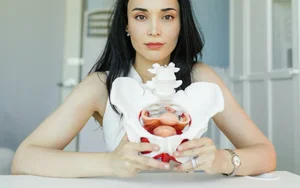
Pregnancy is a transformative and joyous time for many women, but it can also bring about various challenges and discomforts. One common issue experienced during pregnancy is Pubic Symphysis Pain, which can significantly impact a woman's daily life. Let’s delve into the causes, symptoms, and management of Pubic Symphysis Pain during pregnancy.
⭐ Key Takeaways
Pubic Symphysis Pain (SPD) occurs when the pelvic joint becomes strained due to pregnancy-related biomechanical and hormonal changes.
Common symptoms include sharp pubic pain, groin pain, difficulty walking, and pain with stairs or turning in bed.
Risk factors include postural changes, ligament relaxation from hormones like Relaxin, and increased pelvic load.
Pelvic floor physiotherapy is one of the most effective treatments, using stabilization exercises, manual therapy, taping, posture correction, and pain-relief strategies.
Early treatment improves mobility, reduces pain, supports the pelvis, and helps prepare the body for childbirth and postpartum recovery.
🎥Watch: Pubic Symphysis Pain in Pregnancy and Pelvic Floor Treatment for Pain Relief
This video explains how pubic symphysis pain develops during pregnancy due to pelvic instability and muscle imbalance, and how pelvic floor physiotherapy helps reduce pain and improve movement.
Causes of Pubic Symphysis Pain in Pregnancy

Pubic Symphysis Pain, also known as Symphysis Pubis Dysfunction (SPD), occurs due to excessive movement or changes in the pelvic joint, specifically the pubic symphysis. This joint is responsible for connecting the two halves of the pelvic bones at the front of the body. During pregnancy, several factors can contribute to the development of this condition:
Altered Space In The Pelvis & Postural Changes: Pregnancy often leads to changes in posture to accommodate the growing belly. This altered posture can cause added stress on the pelvic region, resulting in pain and discomfort.
Increased Weight and Pressure: The growing uterus and the weight of the developing baby can exert significant pressure on the pelvic area, causing strain on the pubic symphysis.
Hormonal Changes: Hormones like Relaxin are released during pregnancy to relax the ligaments and prepare the body for childbirth. However, this can also impact their supportive role in the pelvic area, leading to pain.
Symptoms of Pubic Symphysis Pain
Symptoms of pubic symphysis pain can vary in intensity and may include:
Pain and Discomfort: Sharp or dull pain in the pubic area, which can radiate to the groin, hips, or thighs.
Difficulty Walking or Moving: Pain and stiffness that make it challenging to walk, climb stairs, or change positions.
Pain During Activities: Increased pain during activities like standing on one leg, lifting heavy objects, or parting the legs.
Management and Relief Measures
Managing pubic symphysis pain is crucial to ensure a more comfortable pregnancy experience. Here are some effective ways to alleviate the discomfort associated with this condition:
Physical Therapy and Exercises: Consult a Women's Health Physiotherapist who specializes in Pelvic Health during pregnancy. They can design specific exercises to improve the function of your deep core muscles including the pelvic floor muscles to help increase the support in the pelvis, and perform manual techniques to reduce tension and pain in the region.
Kinesiotaping: Proper taping techniques can reduce the tension and stress on the pubic symphysis and reduce the pain. A Pelvic Floor Physiotherapist with a focus on Pregnancy Rehabilitation can teach you how to tape the abdominal wall to improve your symptoms.
Pregnancy Support Belts: Wearing a maternity support belt can provide additional support to the pelvis and help reduce strain on the pubic symphysis.
Rest and Posture Awareness: Take regular breaks, avoid activities that worsen the pain, and maintain good posture to minimize strain on the pelvic area.
Heat or Cold Therapy: Applying a warm compress on the muscles or a cold pack on the joint can help alleviate pain and reduce inflammation. Make sure you do not place hot/cold packs directly over the skin in the area. Always place a few layers of towels between the skin and the hot/cold pack to avoid irritation and consult your healthcare practitioner for the correct way to use this technique.
Role of Pelvic Floor Physiotherapy in Pubic Symphysis Pain
Pelvic Floor Physiotherapy is a valuable and effective approach for managing Pubic Symphysis Pain during pregnancy. Here’s how pelvic floor physiotherapy can aid in relieving pubic symphysis pain during pregnancy:
Assessment and Diagnosis:
Pelvic Floor Physiotherapists conduct a thorough assessment to understand the extent of pelvic floor dysfunction and its connection to pubic symphysis pain. This assessment often includes a detailed history, musculoskeletal examination, and an evaluation of posture and movement.
Tailored Exercise Programs:
Based on the assessment, the physiotherapist designs a personalized exercise program. These exercises are aimed to improve the function of your deep core muscles, including the pelvic floor muscles and surrounding areas, enhancing stability and reducing strain on the pubic symphysis.
Manual Therapy:
Physiotherapists may use manual techniques to alleviate muscle tension and restore proper alignment of the pelvic bones. Techniques such as soft tissue mobilization and joint mobilization can help reduce pain and improve mobility.
Education and Posture Correction:
Education about correct posture and body mechanics is a key component of Pelvic Floor Physiotherapy. Proper posture can help minimize stress on the pelvic area, contributing to a reduction in pubic symphysis pain.
Biofeedback:
In some cases, Biofeedback may be used to enhance awareness and control of the pelvic floor muscles. This technique can assist in improving muscle coordination and function.
Pain Management Strategies:
Pelvic Floor Physiotherapists provide guidance on effective pain management strategies, such as taping techniques and hot or cold therapy, which can be integrated into the treatment plan to help manage discomfort.
❓FAQs About Pubic Symphysis Pain (SPD)
-
Pubic Symphysis Pain, also called Symphysis Pubis Dysfunction (SPD), is discomfort originating from the pubic joint at the front of the pelvis. During pregnancy, hormonal changes, ligament laxity, and increasing load on the pelvis can make this joint unstable, leading to pain with movement, walking, and daily activities.
-
It is common, but not normal or something women should simply tolerate. SPD is a sign that the pelvis is under increased strain and needs targeted support, stabilization, and movement modification. Early physiotherapy significantly reduces pain and improves mobility.
-
Women often describe SPD as:
Sharp pain at the pubic bone
Burning or pulling in the lower pelvis
Pain that radiates into the groin or inner thighs
Pain with stairs, turning in bed, lifting a leg, or walking
A clicking or grinding sensation at the pubic bone
-
Common contributors include:
Ligament laxity from hormones like Relaxin
Postural changes and altered gait
Increased load from the growing baby
Pelvic instability or reduced deep-core support
Muscle tension or imbalance around the pelvis
-
Most women with SPD can have a normal vaginal birth, but some positions may worsen pain if the pelvis is unstable. A pelvic floor physiotherapist can teach safe birthing positions that reduce strain on the pubic joint and protect the pelvic floor.
-
Diagnosis involves:
A thorough history
Palpation of the pubic joint
Movement assessment
Evaluation of pelvic floor and deep-core function
No imaging is usually required unless red flags are present.
-
Pelvic floor physiotherapy is one of the most effective treatments for SPD. It can:
Improve deep-core and pelvic floor support
Reduce tension and imbalance around the pelvis
Improve alignment
Reduce pain with manual therapy
Use kinesiotaping for joint support
Teach movement strategies that decrease pressure on the pubic joint
-
Many women experience significant improvement postpartum, but some continue to feel discomfort if pelvic stability, posture, and deep-core function are not restored. Early postpartum pelvic floor physiotherapy helps prevent long-term issues.
-
Yes but exercises must be carefully selected. Avoid movements that worsen symptoms, such as single-leg loading, wide-stance positions, or deep lunges. A pelvic floor physiotherapist can provide safe, individualized exercises to maintain strength without aggravating pain.
-
You should seek physiotherapy when:
Pain interferes with walking, sleeping, or daily activities
You feel clicking, burning, or pulling at the pubic bone
You cannot climb stairs or stand on one leg without pain
Symptoms worsen as pregnancy progresses
Early intervention leads to faster relief and better support throughout pregnancy and postpartum.
Why Choose Ova in Burnaby for Pubic Symphysis Pain?
We’re not just pelvic floor physiotherapists; we’re international experts in pregnancy-related pelvic pain and pelvic floor physiotherapy.


At Ova, we understand how Pubic Symphysis Pain (SPD) can make walking, rolling in bed, or even simple daily activities uncomfortable. This condition isn’t just “part of pregnancy”—it’s a sign that your body’s support system needs care, balance, and stabilization.
With advanced global training and over 2,000 successfully treated complex pelvic pain cases, we specialize in helping expectant mothers manage pregnancy-related pelvic pain safely and effectively. Our approach blends hands-on treatment, gentle pelvic stabilization exercises, kinesiotaping, and posture retraining, all tailored to the unique changes your body experiences during pregnancy.
Our Burnaby clinic is trusted by women across Vancouver and the Lower Mainland for expert prenatal physiotherapy that reduces pain, supports the pelvis, and helps prepare your body for both childbirth and postpartum recovery.
Ready to Begin?
Don’t wait. The sooner we start, the sooner you can feel stronger and more supported. Space is limited due to high demand, but if you’re ready to take the first step toward lasting pelvic health, we’re here to help.
📌Related Blogs on Our Website
➡️Ultrasound Therapy for Clogged Milk Ducts
➡️Restoring Strength and Stability After Childbirth
➡️Understanding Diastasis Recti
➡️Bowel & Bladder Issues During Pregnancy and Postpartum
➡️Cesarean Birth Rehabilitation
📌External Resources
🌐Royal College of Obstetricians & Gynaecologists – Pelvic Girdle Pain