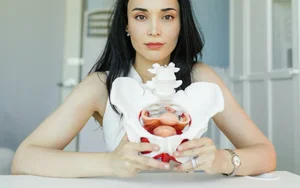
Pain during or after sex, known medically as dyspareunia, affects up to 3 in 4 women at some point in their lives. It is never normal, and in most cases, it has a treatable cause. This guide explains the most common causes of painful sex in women and how pelvic floor physiotherapy in Burnaby can help you find lasting relief.
What Does Pain During or After Sex Feel Like?
Pain with sex can vary widely in how and when it is felt. The three most common types are:
- Entry pain: a burning or stinging sensation at the vaginal opening during penetration
- Deep pain: pressure or aching felt deep in the pelvis during intercourse
- Post-sex pain: cramping or soreness that lingers after sex ends
Understanding which type you experience is an important first step toward identifying the cause and finding the right treatment.
⭐ Key Takeaways
Pain during or after sex (dyspareunia) is common but never normal. It almost always has an identifiable and treatable cause.
The most common causes include pelvic floor muscle tension, vaginal dryness, hormonal changes, infections, endometriosis, vaginismus, vulvodynia, scar tissue, and emotional or nervous system factors.
Pain can occur at the vaginal opening (entry pain), deep in the pelvis (deep pain), or after sex ends (post-sex pain). Each type points to
different underlying causes.
Pelvic floor physiotherapy is one of the most effective non-surgical and non-invasive treatments for painful intercourse, especially when Pelvic floor muscle tension or guarding is involved.
A whole-person approach that addresses both the body and the nervous system produces the best and most lasting results.
With the right support, most women treated at our Burnaby clinic experience significant improvement in comfort, confidence, and intimacy.
🎥Watch Pain During or After Sex: Pelvic Floor Treatment for Chronic Pain
This video explains how pelvic floor dysfunction, muscle tension, and nerve sensitivity cause pain during or after sex, and how pelvic floor physiotherapy helps reduce pain and restore comfort.
What are the Causes of Painful Sex in Women?
Painful sex, known medically as dyspareunia, is one of the most common conditions we treat at our pelvic floor physiotherapy
clinic in Burnaby. It can stem from various physical and emotional factors, and almost always has a treatable cause. Here's an in-depth look at some common causes:
Vaginal Infections: These include yeast infections and Bacterial Vaginosis (BV), leading to inflammation, burning, and discomfort. The imbalance of natural flora in the vagina results in symptoms that can significantly impact sexual activity and overall comfort.
Vaginal Dryness: Vaginal Dryness is often related to hormonal changes, such as those during menopause or as side effects of medications. This condition results in a lack of natural lubrication, making sexual intercourse painful due to increased friction.
Pelvic Inflammatory Disease (PID): This condition arises from infections, often sexually transmitted, that cause inflammation of the reproductive organs. Symptoms include deep pelvic pain and discomfort during sex, which can lead to more serious reproductive health issues if untreated.
Endometriosis: Endometriosis is a condition where tissue similar to the uterine lining grows outside the uterus, causing pain during menstruation and sex. This pain results from the inflammation and scarring that these misplaced tissues can cause.
Vulvodynia & Vestibulodynia: Conditions such as Vulvodynia, which is characterized by persistent pain in the vulvar area devoid of any identifiable cause, such as infection or skin disorder, and Vestibulodynia, which is a persistent pain condition characterized by pain and discomfort localized to the vulvar vestibule, the area surrounding the opening of the vagina, can cause pain during sexual activity and intercourse.
Pelvic Floor Disorders: Including conditions like Vaginismus, where involuntary spasms prevent vaginal penetration, causing pain. The exact cause of certain conditions, such as vaginismus, is unknown; however, these disorders often stem from both physical factors, such as injury or surgery, and psychological factors, including anxiety or past trauma.
Menopause: The decrease in estrogen levels during menopause can lead to thinning and dryness of the vaginal walls, known as vaginal atrophy. These physiological changes can result in pain and discomfort during sex.
Uterine Fibroids: The growth of non-cancerous fibroids in the uterus can cause pressure and pain during sex, especially if they are large or located near the surface of the uterine wall.
Ovarian Cysts: Cysts are fluid-filled sacs on the ovaries that can cause pain during sex, particularly if they rupture or cause the ovary to move, leading to sharp or severe pain.
Emotional Factors: Anxiety, stress, past sexual trauma, and relationship issues can all contribute to painful sex. These factors can lead to or exacerbate physical conditions and can create a cycle of pain and discomfort.
Certain Medications: Some medications, including antidepressants, antihistamines, and hormonal contraceptives, can affect sexual function by decreasing libido, altering vaginal lubrication, or causing other side effects that contribute to discomfort during sex.

Do Emotional and Relational Dynamics Play a Role?
Emotional well-being and relationship dynamics play significant roles in sexual health. Psychological factors such as anxiety, depression, and past trauma can lead to or exacerbate pain during sex. Addressing these issues through therapy and open communication with partners is vital for healing and improving sexual experiences.
What Can I Do To Improve My Symptoms?
Improving sexual comfort is a multifaceted process that can significantly enhance the sexual experience and address discomfort during intercourse. Here's a more detailed breakdown of a few strategies that can help you get relief from pain during or after sex:
Open Communication: It's essential to have honest conversations with your partner about what feels good and what doesn't. Understanding each other's needs and limits fosters a supportive environment where adjustments can be made to improve comfort.
Optimal Sex Positions: Experimenting with different positions can help find those that reduce discomfort and increase pleasure. Some positions may offer more control over the depth and speed of penetration, which can be particularly helpful for those experiencing pain. Consulting a Pelvic Floor Physiotherapist with a focus on sexual health or Sex Therapist can help you learn positions to feel more comfortable during sex.
Lubricants: The use of personal lubricants can reduce friction and make sex more comfortable, especially for those experiencing dryness, which can be a result of various factors, including menopause, stress, or medications.
Adequate Foreplay: Engaging in sufficient foreplay can ensure that both partners are physically prepared for intercourse, which can help reduce pain and enhance pleasure. Foreplay helps in natural lubrication and relaxation of the pelvic muscles.
Pelvic Floor Therapy: For individuals experiencing pain due to tight or weak pelvic floor muscles, pelvic floor physical therapy can be an effective treatment. This specialized therapy focuses on strengthening or relaxing the pelvic floor muscles, which can improve sexual function and reduce discomfort.
Counselling for Emotional Factors: Emotional and psychological factors can also play a significant role in sexual discomfort. Counselling or sex therapy can help address issues such as anxiety, past trauma, or relationship problems that may be contributing to discomfort during sex.
Consulting Healthcare Professionals: It's crucial to consult with healthcare professionals to identify any underlying medical conditions that may be causing pain during sex. Conditions such as infections, Endometriosis, or vaginal atrophy can contribute to discomfort and require medical treatment. Healthcare providers can offer guidance on appropriate treatments and interventions to address these issues.
Painful Sex Is Not A Life Sentence!
Living with the discomfort of painful sex can feel isolating and overwhelming, but it's crucial to remember that this experience doesn't have to be permanent. Proactively seeking professional help is a transformative step toward reclaiming your sexual health and comfort.
Healthcare professionals play a pivotal role in this journey, providing not only accurate diagnoses but also personalized treatment plans tailored to address your specific needs. These plans often include a multidisciplinary approach and involve multiple practitioners who bring a wealth of expertise in managing and overcoming sexual pain.
This holistic approach ensures that both the physical and emotional aspects of painful sex are addressed, paving the way for a future where sexual intimacy is synonymous with pleasure, not pain.
What Is The Role Of A Pelvic Floor Physiotherapist In Treating Painful Sex?
Pelvic floor muscles play a crucial role in sexual function. They are responsible for maintaining arousal, reaching orgasm, and
providing tone around the vagina. When these muscles are tight, weak, or uncoordinated, they can cause significant discomfort
during or after sex.
At our pelvic floor physiotherapy clinic in Burnaby, treatment for painful sex typically includes the following:
Assessment
Your physiotherapist will assess muscle tone, sensitivity, and coordination, as well as contributing factors like posture,
breathing patterns, and stress levels. This forms the foundation of your personalized treatment plan.
Manual Therapy
Gentle hands-on techniques help release tight muscles, improve tissue flexibility, and reduce guarding. This may include both
external and internal approaches, always conducted at your pace and with full consent.
Biofeedback
Using biofeedback technology, you can see in real time how your pelvic floor muscles activate and relax. This is especially
powerful for retraining muscles that tense involuntarily.
Breathing and Relaxation Training
The diaphragm and pelvic floor are deeply connected. Learning correct breathing patterns reduces muscle guarding, calms the
nervous system, and supports lasting relaxation.
Education and Home Program
Understanding how your body works is a core part of recovery. You will learn how to maintain progress at home, care for your
pelvic health long term, and prevent symptoms from returning.

Why Choose Ova in Burnaby for Pain During or After Sex?
We’re not just pelvic floor physiotherapists; we’re international experts in sexual pain and complex pelvic floor conditions.


At Ova Women’s Health, we understand how deeply painful sex can affect both physical and emotional well-being. With advanced global training and years of experience treating conditions like vaginismus, vulvodynia, endometriosis-related pain, and pelvic floor dysfunction, we take a thorough, evidence-based approach to care.
Our treatment plans combine manual therapy, biofeedback, relaxation techniques, and education—addressing not just the symptoms, but the underlying causes of pain. We work collaboratively with each patient to restore comfort, confidence, and connection in intimacy.
With over 2,000 successfully treated complex pelvic pain cases, Ova is trusted by women across Burnaby and the Lower Mainland for compassionate, specialized care that focuses on both results and respect.
Ready to Begin?
Don’t wait. The sooner we start, the sooner you can feel relief. Space is limited due to high demand, but if you are ready to take the first step toward recovery, we are here to support you every step of the way.
❓FAQs About Painful Sex and Pelvic Floor Physiotherapy
-
No. Pain during or after intercourse (known as dyspareunia) is common, but it’s not normal. It’s a sign that something in the body, whether physical, hormonal, or emotional, needs attention. Addressing the cause early can help prevent chronic discomfort and restore enjoyable intimacy.
-
Painful sex can be caused by many factors, including vaginal dryness, pelvic floor muscle tension, endometriosis, infections, hormonal changes, nerve irritation, or emotional stress. The pelvic floor muscles are often involved, which is why pelvic floor physiotherapy is such an effective part of treatment.
-
When the pelvic floor muscles are tight, weak, or uncoordinated, they can create resistance and pain during penetration. Overactivity or guarding, often linked to anxiety, past trauma, or chronic tension, can cause burning, aching, or sharp pain during or after sex.
-
Pelvic floor physiotherapy helps by releasing tight muscles, restoring normal movement, and improving blood flow in the pelvic area. Treatment includes gentle manual therapy, breathing and relaxation techniques, biofeedback, and education about how to retrain the body for pain-free intimacy.
-
Your session begins with a detailed conversation about your symptoms, comfort levels, and goals. The physiotherapist will assess your pelvic floor muscles, posture, and breathing patterns. Treatment may include gentle internal or external work, always done at your pace and with full consent.
-
Yes. Emotional stress, anxiety, or past traumatic experiences can increase pelvic muscle tension, making pain worse. This is why treatment for sexual pain often includes a biopsychosocial approach addressing both physical and emotional factors through physiotherapy and, if needed, counselling or sex therapy.
-
No. The treatment is gentle and never forced. Every step is guided by your comfort and readiness. Most women describe it as relieving and empowering once they learn how to relax and reconnect with their body safely.
-
Healing timelines vary depending on the cause and how long symptoms have been present. Many women notice improvement within a few sessions, while others may require more time for full recovery. Consistency and at-home exercises are key.
-
Yes. Decreased estrogen levels, especially during menopause, postpartum, or while using certain medications, can lead to dryness, thinning of tissues, and irritation. A pelvic floor physiotherapist can recommend safe lubricants and help you restore comfort through muscle and tissue rehabilitation.
-
If you feel pain during penetration, deep intercourse, or after sex, or if discomfort has persisted for more than a few days, it’s time to see a healthcare professional. Pelvic floor physiotherapy is one of the most effective, non-invasive treatments for sexual pain and can help you feel comfortable and confident again.
📌Related Blogs on Our Website
➡️Relieving Vulvodynia: A Journey From Pain to Pleasure
➡️Vaginismus & The Role Of Pelvic Floor
➡️Easing Painful Sex During Menopause with Pelvic Floor Therapy
📌External References and Resources
⏩Cleveland Clinic – Vaginismus & Pelvic Pain