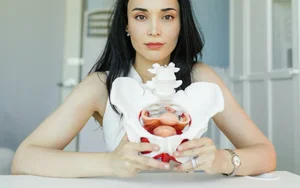
Managing Bowel & Bladder Issues During Pregnancy and Postpartum
Pregnancy and the postpartum period bring rapid physical, hormonal, and functional changes to your body. These changes often affect the bladder and bowels, leading to symptoms like leakage, constipation, urgency, and difficulty with control. While these issues are common, they are not something you need to tolerate. Pelvic floor physiotherapy offers safe, evidence-informed, and highly effective solutions to help you regain comfort, control, and confidence.
⭐Key Takeaways
Bowel and bladder issues during pregnancy and postpartum are common but treatable
Pelvic floor physiotherapy strengthens the muscles responsible for bladder and bowel control
Biofeedback, manual therapy, and behavioural retraining help resolve symptoms long-term
Early assessment reduces complications and speeds recovery
A personalized treatment plan ensures safe guidance through pregnancy and postpartum healing
🎥 Watch: Bladder & Bowel Issues in Pregnancy and Postpartum — Why It Happens & How Physio Treats It
This video explains how pregnancy and childbirth cause urinary incontinence, fecal incontinence, constipation, and urinary urgency through pelvic floor weakness, perineal trauma, and hormonal changes and how pelvic floor physiotherapy uses biofeedback, manual therapy, bladder retraining, and pelvic floor strengthening to safely restore bladder and bowel control during pregnancy and postpartum recovery.
Common Bowel & Bladder Issues During Pregnancy and Postpartum

1. Urinary Incontinence:
Urinary Incontinence is the involuntary leakage of urine, often experienced during pregnancy due to the growing uterus putting pressure on the bladder. Postpartum, the pelvic floor muscles might be weakened, injured due to perineal trauma, or lack coordination, leading to continued incontinence.
2. Fecal Incontinence:
Some women may experience difficulty controlling bowel movements, leading to unexpected leakage of stool. Fecal Incontinence can be due to trauma to the anal sphincter or pelvic floor muscles during childbirth.
3. Constipation:
Hormonal changes, reduced physical activity, and pressure from the growing baby can slow down bowel movements, leading to constipation. Postpartum, constipation can persist due to changes in routine, diet, and the healing process.
4. Urinary Urgency and Frequency:
An increased need to urinate frequently and urgently can occur during pregnancy and persist postpartum. This can be due to hormonal changes, increased pressure on the bladder, and weakened pelvic floor muscles.
How Can Pelvic Floor Physiotherapy Help?

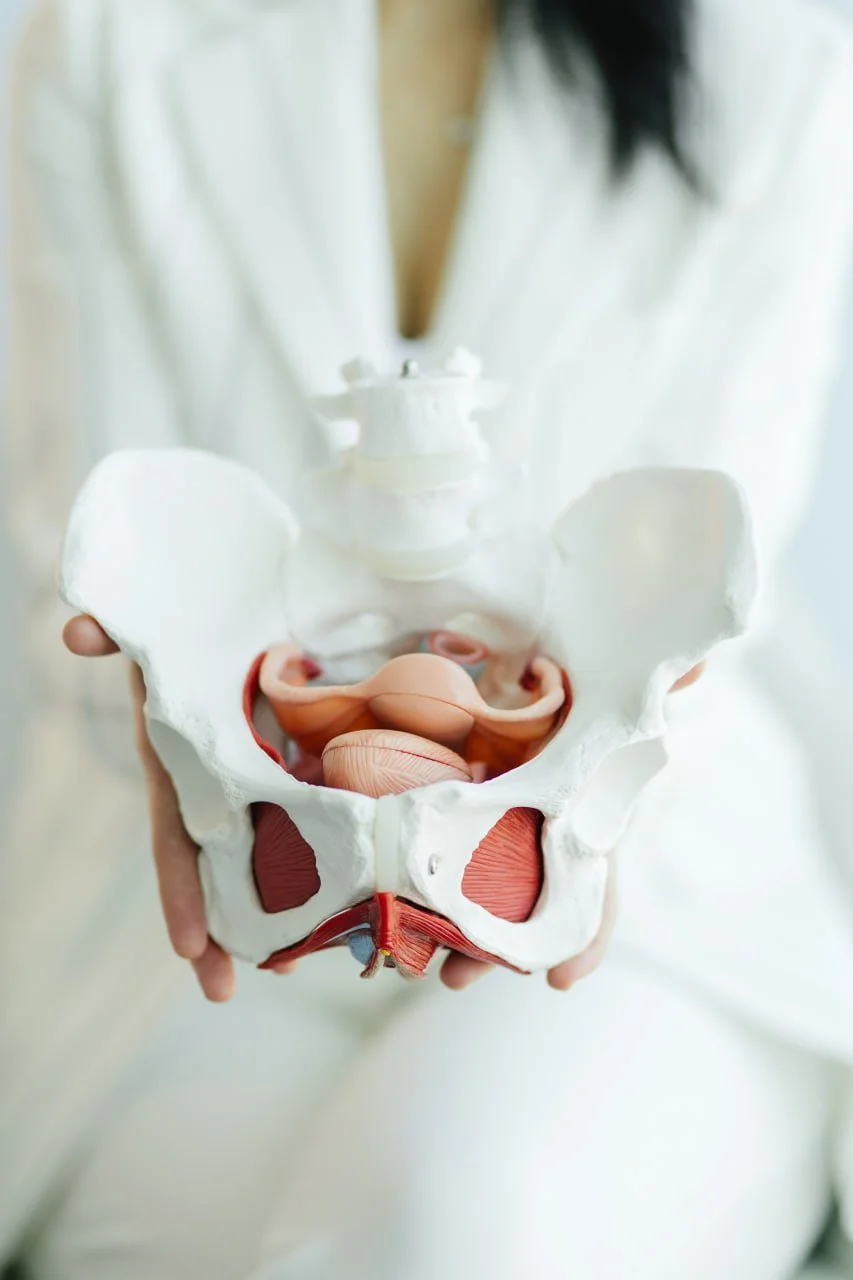
Pelvic floor physiotherapy is a specialized form of physical therapy that focuses on strengthening and rehabilitating the pelvic floor muscles. These muscles support the bladder, bowel, and uterus and play a crucial role in maintaining continence and overall pelvic health.
1. Strengthening Pelvic Floor Muscles:
Through exercises like Kegels, pelvic floor physiotherapists help women strengthen their pelvic floor muscles. Stronger muscles provide better support to the bladder and bowel, reducing incontinence and improving control.
2. Biofeedback:
Biofeedback techniques help women become more aware of their pelvic floor muscles and how to control them. Biofeedback uses sensors to provide real-time feedback on muscle activity, while electrical stimulation can help activate and strengthen weak muscles.
3. Manual Therapy:
Pelvic floor physiotherapists use hands-on techniques to release tension, improve muscle function, and enhance blood flow to the pelvic area. This can be particularly beneficial for addressing scar tissue from episiotomies or tears during childbirth.
4. Bladder and Bowel Training:
Your physiotherapist will guide you through:
urge-delay techniques
optimal fluid and fibre intake
proper toilet positioning
strategies for avoiding straining
healthy bladder and bowel habits
5. Education and Support:
Understanding the changes happening in their bodies and learning how to manage symptoms can empower women. Pelvic floor physiotherapists offer education on anatomy, the impact of pregnancy and childbirth on the pelvic floor, and strategies for maintaining pelvic health.
6. Lifestyle and Postural Advice:
Proper posture and body mechanics can alleviate pressure on the pelvic floor. Physiotherapists guide lifting techniques, breathing exercises, and positions that reduce strain during daily activities.
When to Seek Pelvic Floor Physiotherapy
It’s never too early or too late to seek help. Women can benefit from pelvic floor physiotherapy during pregnancy to prepare for childbirth and postpartum to recover and strengthen their pelvic floor muscles. If you experience any of the following, consider consulting a pelvic floor physiotherapist:
Difficulty with bowel movements
Difficulty controlling gas
❓FAQs About Bowel & Bladder Issues
-
They are common but not normal to live with. Pelvic floor physiotherapy can significantly reduce or resolve leakage.
-
We recommend having your first visit 6 weeks after birth.
-
Yes. If the pelvic floor is too tight or uncoordinated, it can make bowel movements difficult or painful.
-
Absolutely. Treatment focuses on strengthening, improving coordination, and addressing any birth-related trauma.
-
Yes. We use urge-suppression strategies, bladder retraining, and pelvic floor coordination to reduce urgency and frequency.
-
Internal assessment is often recommended but always optional and done only with full consent.
Why Choose Ova Women’s Health in Burnaby, BC?
Bowel and bladder issues can feel embarrassing, isolating, or overwhelming, but at Ova, you are never judged, rushed, or dismissed. We specialize in pelvic health and understand exactly what you’re going through.



What Makes Ova Different?
✅ Leaders in pregnancy & postpartum pelvic health
We treat thousands of women with incontinence, constipation, urgency, pelvic pain, and postpartum pelvic floor injuries.
✅ Deep expertise in complex pelvic floor dysfunction
Our approach goes beyond basic exercises; we assess muscles, nerves, breath, posture, alignment, and movement patterns.
✅ Evidence-informed, gentle, whole-body care
We combine manual therapy, pelvic floor treatment, biofeedback, core retraining, and bowel/bladder education tailored to your stage of pregnancy or recovery.
✅ Your comfort comes first
You’ll always be listened to, supported, and treated with compassion. No symptoms are “too small” or “too embarrassing.”
✅ Emergency appointments available
For clogged ducts or severe pelvic pain, you can access urgent care outside standard hours.
✅ Trusted by women across Burnaby, Vancouver & the Lower Mainland
Our detailed assessments and personalized plans help women restore control, confidence, and comfort no matter where they are in their pregnancy or postpartum healing.
Ready to Begin?
Don’t wait. The sooner we start, the sooner you can feel stronger and more supported. Space is limited due to high demand, but if you’re ready to take the first step toward lasting pelvic health, we’re here to help.
📌Related Blogs on Our Website
➡️Ultrasound Therapy for Clogged Milk Ducts
➡️Understanding Diastasis Recti
➡️Lower Back Pain During Pregnancy
➡️Cesarean Birth Rehabilitation
➡️Restoring Strength and Stability After Childbirth