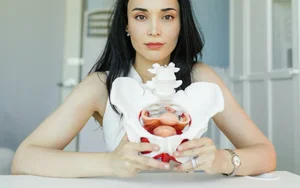
Voiding Difficulties: How Pelvic Floor Physiotherapy Can Help
Voiding dysfunctions, which can include a range of urinary problems, can significantly impact one's quality of life. These issues are more common than often acknowledged and can affect people of all ages and genders.
From urinary retention to incomplete emptying, the difficulties associated with voiding can lead to discomfort, frequent urinary tract infections (UTIs), and other health complications. This blog delves into the various aspects of voiding dysfunctions and how pelvic floor physiotherapy can be a game-changer in managing and alleviating these conditions.
⭐ Key Takeaways
Voiding dysfunction includes issues such as urinary retention, hesitancy, weak stream, and incomplete emptying and is often related to pelvic floor muscle tension or poor coordination.
Tight pelvic floor muscles are one of the most common underlying causes of difficulty emptying the bladder, especially in women.
Pelvic floor physiotherapy is one of the most effective first-line treatments for voiding dysfunction because it restores muscle relaxation, coordination, and nerve communication.
Assessment is essential: some cases involve overactivity, some involve weakness, and some involve misfiring reflexes. Self-diagnosing often leads to worsening symptoms.
Evidence-informed treatments include manual therapy, biofeedback, bladder training, retraining relaxation of pelvic muscles, and adjusting toileting habits.
Behavioural habits such as hovering over the toilet, straining, or “just-in-case peeing” can worsen voiding dysfunction.
Early treatment prevents complications like chronic retention, recurrent UTIs, pelvic pain, and increased bladder sensitivity.
With proper assessment and targeted therapy, most women experience significant improvement in urinary flow, comfort, and confidence.
🎥 Watch: Voiding Dysfunction: Why It Happens & How Physio Treats It | Ova Women's Health
Voiding dysfunction, including difficulty emptying the bladder, urinary hesitancy, weak stream, and urinary retention, is often caused by tight or poorly coordinated pelvic floor muscles. In this video, our team at Ova Women's Health in Burnaby, BC explains how pelvic floor physiotherapy identifies the root cause and restores normal bladder emptying through manual therapy, biofeedback, and bladder retraining.
Understanding Voiding Dysfunction
Voiding dysfunction refers to any condition that impairs the normal process of emptying the bladder. It can manifest in several forms, including:
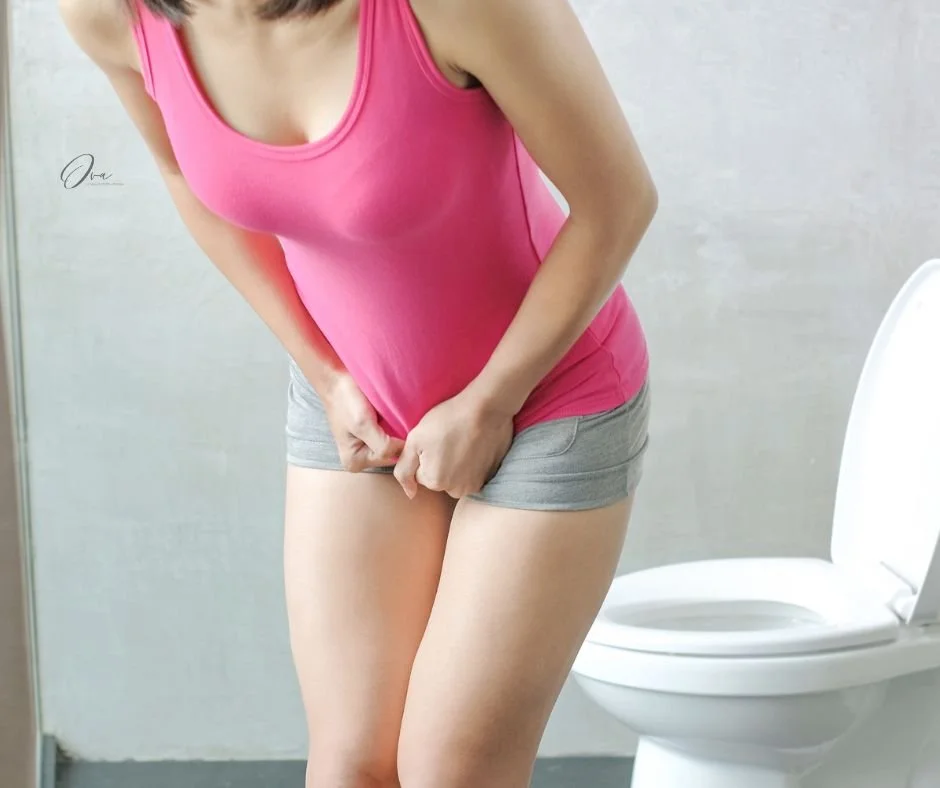
Urinary Retention: Difficulty in completely emptying the bladder.
Urinary Hesitancy: Delay in starting the urine stream.
Weak Stream: Reduced force of the urine stream.
Straining to Void: Needing to push or bear down to start or maintain urination.
Incomplete Emptying: Feeling that the bladder is not completely empty after urination.
These symptoms can be caused by various underlying issues, including neurological disorders, prostate problems in men, pelvic floor dysfunction, or even psychological factors.
Common Causes of Voiding Dysfunction
Neurological Conditions: Diseases like multiple sclerosis, Parkinson’s disease, and spinal cord injuries can affect the nerves that control bladder function.
Pelvic Floor Dysfunction: Weak or tight pelvic floor muscles can disrupt the normal flow of urine.
Infections: Recurrent UTIs can lead to inflammation and scarring, affecting bladder function.
Medications: Some medications can interfere with bladder control.
Psychological Factors: Anxiety and stress can exacerbate voiding difficulties.
Pelvic Floor Muscles & Difficulty with Voiding
The pelvic floor is a group of muscles and connective tissues that support the bladder, rectum, and reproductive organs. These muscles play a crucial role in controlling urination. Proper coordination and strength of the pelvic floor muscles are essential for effective bladder emptying.
When these muscles are loose and weak, overactive and weak, or not well-coordinated, it can lead to voiding dysfunctions. This is where pelvic floor physiotherapy comes into play.
Pelvic Floor Physiotherapy: A Solution for Voiding Dysfunction
Pelvic floor physiotherapy involves a range of treatments and exercises designed to improve the function of the pelvic floor muscles. Here’s how it can help with voiding dysfunction:
Assessment: A thorough assessment by a pelvic floor physiotherapist can identify the specific dysfunction. This includes evaluating muscle tone, strength, coordination, and any potential underlying issues.
Pelvic Floor Exercises: Tailored exercises can help strengthen underactive muscles or relax overactive ones. Kegel exercises are the most commonly known exercise to strengthen the pelvic floor muscles, however, it is important to note that Kegels, in certain cases such as an overactive pelvic floor muscle, can make symptoms worse. Therefore, a thorough assessment by a pelvic floor physiotherapist is necessary before attempting exercises.
Biofeedback: This technique uses electronic monitoring to help patients gain awareness and control of their pelvic floor muscles.
Manual Therapy: Hands-on techniques can help release tension in the pelvic floor muscles, improving their function.
Bladder Training: Techniques to train the bladder to hold urine for longer periods, thereby reducing frequency and urgency.
Lifestyle Modifications: Guidance on dietary changes, fluid intake, and behavioural strategies to support bladder health.
Benefits of Pelvic Floor Physiotherapy
Improved Bladder Control: Strengthening and coordinating the pelvic floor muscles can lead to better control over urination.
Reduced Symptoms: Many patients experience a significant reduction in symptoms such as urinary retention, hesitancy, and frequency.
Enhanced Quality of Life: Alleviating voiding difficulties can greatly improve one’s overall quality of life and reduce the stress associated with these issues.
Preventive Care: Regular pelvic floor exercises can prevent the recurrence of voiding dysfunctions.
Tips for Maintaining Pelvic Floor Health
Regular Exercise: Learn how to connect to your pelvic floor muscles and how to contract, and relax these muscles. If you have difficulty feeling the contraction and relaxation, you may benefit from professional help offered by a pelvic floor physiotherapist.
Healthy Diet: Maintain a balanced diet rich in fibre to avoid constipation, which can strain the pelvic floor.
Hydration: Drink adequate water but avoid excessive caffeine and alcohol, which can irritate the bladder.
Avoid Straining: Practice good toileting habits, and avoid straining during urination or bowel movements.
Consult a Professional: Seek professional help if you experience any symptoms of voiding dysfunction.
❓FAQs About Voiding Difficulties & Pelvic Floor Physiotherapy
-
Voiding difficulties refer to problems with starting, maintaining, or fully emptying the bladder. Common symptoms include urinary hesitancy, weak flow, straining to void, dribbling, retention, and a constant sense of incomplete emptying.
These issues are often linked to pelvic floor dysfunction, bladder-brain signaling problems, nerve irritation, or medical conditions affecting bladder control.
-
Common causes include:
Pelvic floor muscle dysfunction
Overactive or tight pelvic floor muscles
Weak and uncoordinated pelvic floor muscles
Neurological conditions
Postpartum changes
Menopause and hormonal shifts
Chronic constipation or straining
Anxiety or “performance” tension in the bathroom
Recurrent UTIs
Medications that affect bladder function
Because the causes vary widely, a full pelvic floor assessment is essential before choosing the right treatment.
-
The pelvic floor plays a major role in bladder emptying.
If the muscles are:
Too tight: they block the urethra and make it difficult to start or maintain a stream
Too weak: they fail to support the bladder or help the urethra open efficiently
Poorly coordinated: they tighten when they should relax
All of these patterns can make voiding difficult or uncomfortable.
-
Pelvic floor physiotherapy addresses the root cause of your symptoms through:
Detailed pelvic floor muscle assessment
Internal and external manual therapy to release tightness
Training to improve relaxation and coordination
Biofeedback for real-time muscle awareness
Breathing and nervous system regulation
Bladder retraining programs
Education on optimal toileting, positioning, and habits
This approach improves bladder emptying, reduces straining, and restores bladder confidence.
-
No. Straining to pee is a sign that something is not functioning properly. It may indicate:
Overactive pelvic floor muscles
Nerve irritation
Urethral restriction
Bladder outlet dysfunction
Straining increases pelvic pressure and can worsen symptoms over time. Professional assessment is recommended.
-
A pelvic floor physiotherapist will:
Take a detailed history of your symptoms
Assess posture, breathing, and abdominal mechanics
Evaluate pelvic floor muscle tone, coordination, and relaxation
Identify patterns such as guarding, overactivity, or weakness
Design a tailored treatment plan based on your findings
The assessment is gentle, respectful, and entirely guided by your comfort.
-
Not necessarily.
Kegels can worsen voiding problems if your pelvic floor is tight or overactive.
Because many people with voiding dysfunction have tension rather than weakness, Kegels should only be performed under professional guidance.
-
Yes.
Difficulty emptying the bladder fully can cause urine to sit in the bladder, increasing the risk of recurrent infections. Improving pelvic floor relaxation and bladder emptying can reduce UTI frequency.
-
Seek help if you experience:
Hesitancy or difficulty starting urine
Weak or stop-and-start flow
Straining to pee
A sensation of incomplete emptying
Frequent urination
Recurrent UTIs
Retention or needing to void again right away
Early treatment prevents long-term complications like bladder dysfunction or pelvic pain.
-
Often, yes.
Voiding dysfunction is frequently mechanical or behavioural, which means physiotherapy, habit changes, and pelvic floor retraining can make a big difference. Medication is sometimes helpful, but not always required.
Why Choose Ova in Burnaby for Voiding Difficulties?
Voiding concerns are often misunderstood or dismissed, but at Ova, we take every symptom seriously and investigate the full picture of your pelvic health. Our approach blends advanced clinical training, global expertise, and a deep understanding of the complex relationship between the pelvic floor, bladder, and nervous system.



At Ova, we have treated more than 2,000 complex pelvic health cases, including urinary hesitancy, retention, incomplete emptying, and dysfunctional voiding. We specialize in identifying whether the root problem is muscle tension, coordination issues, nerve involvement, or behavioural patterns that have developed over time.
Our treatment plans are personalized, gentle, and evidence-informed.
Ready to Begin?
Don’t wait. The sooner we start, the sooner you can feel stronger and more supported. Space is limited due to high demand, but if you’re ready to take the first step toward lasting pelvic health, we’re here to help.
📌Related Blogs on Our Website
➡️Painful Intercourse: Why It Happens and How We Treat It
➡️Restoring Bladder Control: Treatment of Urinary Urgency and Frequency
➡️Stress and Pelvic Floor Tension: How Stress Impacts Your Pelvic Health
➡️Tight Jaw, Painful Pelvis: The Hidden Link
➡️Vulva Cleansing: Safe Hygiene for Optimal Health
📌External Resources
🌐National Institute of Diabetes and Digestive and Kidney Diseases – Bladder Health