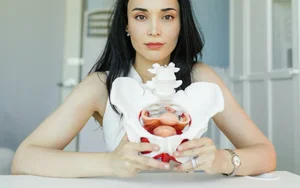
Understanding & Managing Pelvic Girdle Pain During Pregnancy
Pelvic Girdle Pain (PGP) is one of the most common musculoskeletal conditions during pregnancy, affecting comfort, mobility, and the ability to enjoy daily activities. With hormonal changes, shifting posture, and increased pressure on the pelvis, many women experience sharp, aching, or radiating pain that worsens with movement.
The good news: Pelvic Floor Physiotherapy is one of the most effective, evidence-informed approaches for managing PGP safely during pregnancy.
⭐Key Takeaways
Pelvic Girdle Pain affects the sacroiliac joints, hips, groin, pubic symphysis, and lower back.
Pain often worsens with walking, standing on one leg, turning in bed, climbing stairs, or carrying loads.
Hormonal changes (like Relaxin), postural shifts, and increased mechanical load all contribute.
Pelvic Floor Physiotherapy improves stability, reduces pain, and supports functional movement during pregnancy.
A personalized approach is essential for every pregnancy, and the pain pattern is unique.
🎥 Watch: Pelvic Girdle Pain in Pregnancy — Why It Happens & How Physio Treats It
This video explains how pelvic girdle pain (PGP) during pregnancy causes hip pain, sacroiliac joint pain, pubic symphysis pain, and lower back pain through hormonal changes, increased mechanical load, and pelvic instability and how pelvic floor physiotherapy uses core stabilization, manual therapy, kinesiotaping, and posture retraining to safely reduce PGP symptoms and restore function during pregnancy.
What is Pelvic Girdle Pain (PGP)?
Pelvic Girdle Pain refers to discomfort originating from the joints, ligaments, and muscles that support the pelvis.
The pain may appear as:
A deep ache or sharp stabbing pain in the lower back, hips, groin, buttocks, or pubic bone
Pain that radiates down the thighs
Difficulty walking or standing for long periods
Pain when rolling in bed or climbing stairs
While common, PGP is not something you need to “push through.” It is treatable, and early intervention leads to significantly better outcomes.
What Causes PGP During Pregnancy?
Several factors contribute to the development of PGP during pregnancy:
1. Hormonal Changes
Relaxin softens the ligaments supporting the pelvis so the body can prepare for childbirth.
This increased laxity may lead to instability and discomfort.
2. Increased Mechanical Load
As the uterus grows, the pelvis endures greater pressure, which can strain joints and supporting muscles.
3. Postural Adjustments
Many women naturally shift their posture during pregnancy—exaggerating lumbar curvature, shifting weight, or walking differently.
These adaptations can stress the pelvic girdle.
4. Pre-existing Muscle or Joint Dysfunction
Hip, low-back, or sacroiliac joint issues from before pregnancy often reappear or worsen.
How Pelvic Floor Physiotherapy Helps With PGP
Pelvic Floor Physiotherapy, the gold standard in pregnancy-related musculoskeletal care, addresses both the symptoms and the root cause of Pelvic Girdle Pain.
1. Comprehensive Assessment
Your physiotherapist evaluates:
Pelvic alignment
Pelvic floor muscle coordination
Core stability
Hip and SI joint mobility
Pregnancy-related postural changes
This allows for precise identification of what is contributing to your pain.
2. Tailored Exercise Programs
Exercises are individualized and may include:
Deep core (Transversus Abdominis) activation
Targeted strengthening for glutes and pelvic stabilizers
Postural retraining
Pregnancy-safe mobility work
These exercises improve pelvic stability, reducing mechanical strain on joints and ligaments.
3. Manual Therapy Techniques
Hands-on therapy can include:
Soft tissue release
Myofascial and ligamentous techniques
Sacroiliac joint mobilization
Pelvic alignment work
These techniques relieve pain and restore movement patterns.
4. Posture & Movement Retraining
Your physio teaches you:
Safer ways to turn in bed
How to get in/out of the car
How to lift and carry safely
Proper sitting/standing alignment
These strategies significantly reduce daily pain triggers.
5. Pain Management Tools
Your physio may incorporate:
Support belts
Taping techniques
Heat therapy
Activity modification
Breathing and relaxation techniques
This multimodal approach improves both comfort and functional movement.
Benefits of Pelvic Floor Physiotherapy for PGP
Safe and non-invasive
Reduces pain and improves mobility
Supports core and pelvic stability for the remainder of pregnancy
Enhances body awareness and confidence
Helps prevent worsening symptoms
Improves daily function: walking, sleeping, lifting, and household activities
❓FAQs About Pelvic Girdle Pain
-
Common? Yes.
Normal or unavoidable? No.
With proper assessment and treatment, symptoms can improve dramatically. -
Many women experience improvement postpartum; however, unresolved instability, weak pelvic floor muscles, or scar-related restrictions can prolong symptoms. Postpartum physiotherapy is recommended.
-
Yes, Pelvic Floor Physiotherapists trained in perinatal care use pregnancy-specific positions and techniques to ensure comfort and safety.
-
Not always. Your physiotherapist will advise whether it will improve stability for your specific pattern of pain.
-
Certain exercises may worsen symptoms if they are not chosen carefully. It is important to create a personalized plan.
Why Choose Ova Women’s Health in Burnaby, BC?
Pelvic Girdle Pain during pregnancy is often dismissed as “normal pregnancy pain,” leaving many women feeling frustrated, unsupported, and unsure where to turn. At Ova, we take pelvic pain in pregnancy seriously. Pelvic Girdle Pain is not something you need to “push through,” and with the right care, it can be effectively managed.

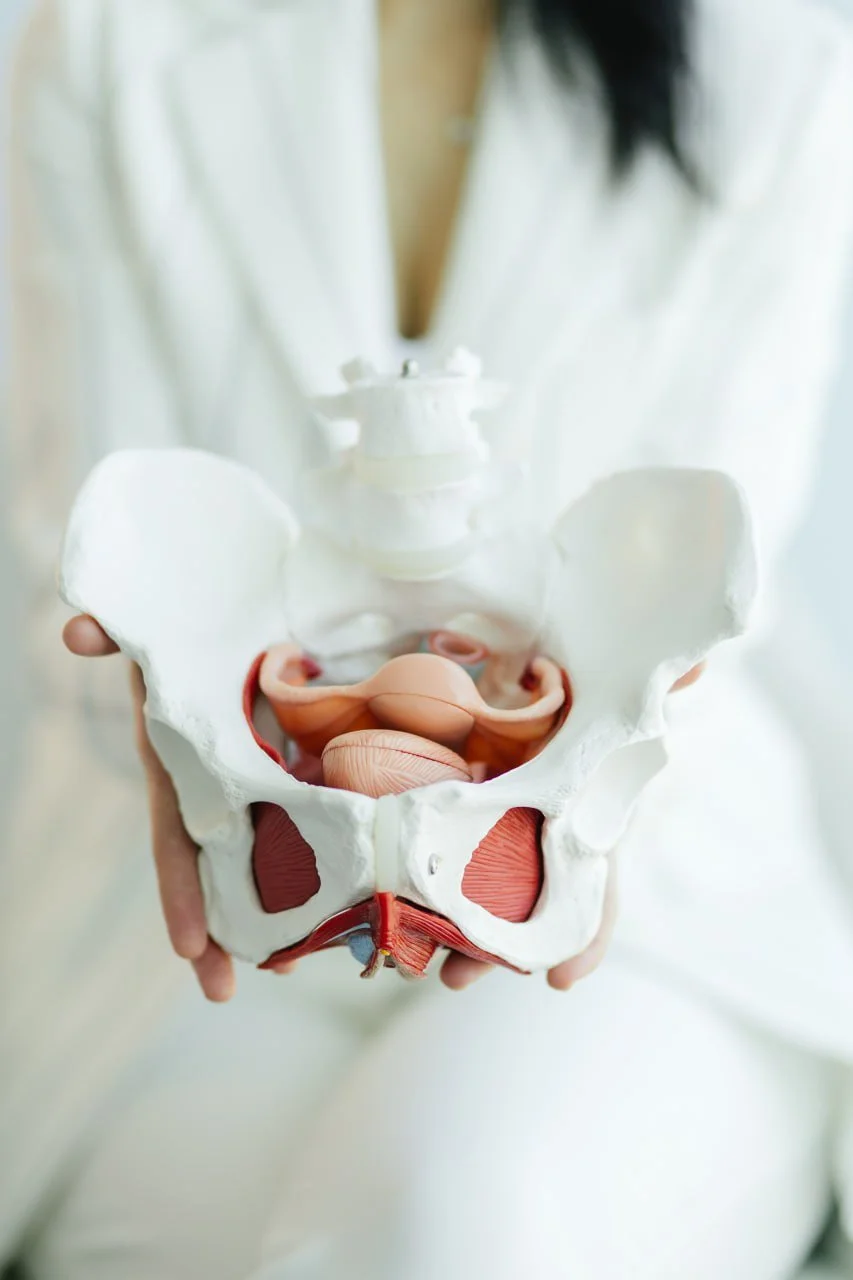

At Ova Women’s Health Physiotherapy in Burnaby, we specialize in pregnancy-related pelvic pain, including Pelvic Girdle Pain, pubic symphysis pain, SI joint pain, and pregnancy-related low back pain. Our care is grounded in advanced clinical training, global education, and extensive experience treating complex pelvic and musculoskeletal pain conditions during pregnancy.
What makes Ova different:
✅ Advanced expertise in pregnancy-related pelvic pain
Pelvic Girdle Pain is complex and often involves multiple joints, muscles, and connective tissues. We perform detailed assessments to identify exactly what is contributing to your pain, rather than offering generic advice or exercises.
✅ Targeted, pregnancy-safe treatment plans
Your care is fully individualized. Treatment may include hands-on manual therapy, pelvic and core stabilization exercises, posture retraining, kinesiotaping, and movement strategies designed specifically for the pregnant body.
✅ A whole-body approach to pelvic stability
PGP is never just “one joint.” We look at how your pelvis, spine, hips, pelvic floor, breathing, and posture are working together and address the entire system to reduce pain and improve function.
✅ Relief without unnecessary restrictions
We focus on helping you move with confidence, not fear. Instead of long lists of “don’ts,” we teach you how to move, turn in bed, walk, exercise, and function safely while protecting your pelvis.
✅ Compassionate care in a supportive environment
Pregnancy pain can be emotionally exhausting. At Ova, you are listened to, believed, and supported. Appointments are unhurried, private, and focused entirely on your comfort and recovery.
✅ Trusted by women across Burnaby, Vancouver, & the Lower Mainland
Women seek out Ova for expert pregnancy physiotherapy when pelvic pain is limiting their daily life. Our reputation is built on results, education, and care that respects both your body and your pregnancy journey.
If pelvic girdle pain is affecting how you walk, sleep, move, or enjoy your pregnancy, you don’t have to manage it alone. At Ova, we’re here to help you feel supported, stable, and confident throughout pregnancy and beyond.
Ready to Begin?
Don’t wait. The sooner we start, the sooner you can feel stronger and more supported. Space is limited due to high demand, but if you’re ready to take the first step toward lasting pelvic health, we’re here to help.
📌Related Blogs on Our Website
➡️Ultrasound Therapy for Clogged Milk Ducts
➡️Restoring Strength and Stability After Childbirth
➡️Understanding Diastasis Recti
➡️Bowel & Bladder Issues During Pregnancy and Postpartum
➡️Cesarean Birth Rehabilitation
➡️Lower Back Pain During Pregnancy