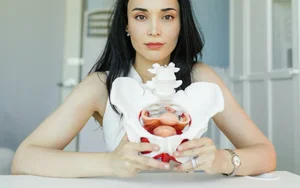
Round ligament pain is one of the most common yet overlooked discomforts experienced during pregnancy, especially in the second trimester. While the sharp, pulling pain can feel alarming, it is typically a normal response to your uterus growing and your ligaments stretching to support your baby.
That said, just because something is common does not mean you should suffer through it. Pelvic floor physiotherapy can significantly reduce round ligament pain, improve movement, and make your pregnancy more comfortable.
Below is your complete guide to understanding this pain, why it happens, and how targeted pelvic floor physiotherapy can help.
⭐ Key Takeaways
Round ligament pain is caused by the stretching of ligaments supporting the uterus as your baby grows.
Symptoms often include sharp, stabbing pain on one or both sides of the lower abdomen or groin.
Pain is frequently triggered by sudden movements such as rolling in bed, standing up quickly, coughing, or sneezing.
Pelvic floor physiotherapy can improve posture, core function, and pelvic stability, reducing strain on the ligaments.
Treatments include posture retraining, core activation, manual therapy, kinesiotaping, and targeted exercises.
🎥 Watch: Round Ligament Pain in Pregnancy: Why It Happens & How Physio Treats It
Round ligament pain is one of the most common second trimester discomforts, causing sharp, stabbing pain in the lower abdomen or groin that's triggered by rolling in bed, standing up quickly, coughing, or sneezing. This video explains exactly why round ligament pain happens as your uterus grows, and how prenatal pelvic floor physiotherapy uses posture retraining, deep core activation, manual therapy, and kinesiotaping to relieve pain and keep you moving comfortably throughout your pregnancy.
What is Round Ligament Pain?

Round ligament pain is common during pregnancy, typically experienced during the second trimester. It manifests as sharp or dull pain or aching in the lower abdomen or groin area, often felt on one or both sides. This discomfort stems from the stretching and pulling of the round ligaments, which support the uterus in the pelvis.
The round ligaments on either side of the uterus undergo significant stretching and lengthening during pregnancy as the uterus expands to accommodate the growing baby. This stretching can cause irritation, inflammation, and discomfort, resulting in round ligament pain.
Symptoms of Round Ligament Pain During Pregnancy
It's important to recognize the signs and symptoms of round ligament pain to distinguish it from other pregnancy-related or potential health issues. Here are the primary symptoms associated with round ligament pain:
Sharp or Stabbing Pain:
Round ligament pain typically manifests as sharp, stabbing, or shooting pains felt on one or both sides of the lower abdomen. The pain is often sudden and intense and may be alarming at first. The intensity can vary from person to person.
Location of the Pain:
The pain is usually felt low down on either side of the abdomen and may be more pronounced on the right or left, depending on which round ligament is affected. It may also extend into the groin area or the hips.
Pain Triggers:
Movement-related actions often trigger round ligament pain. Common triggers include standing up, rolling over in bed, sudden changes in position, coughing, sneezing, laughing, or any sudden movements that stretch the ligaments.
Intermittent Pain:
The pain is often intermittent, coming and going rather than being constant. It may last for a few seconds to a few minutes.
Occurrence During Pregnancy:
Round ligament pain typically occurs during the second trimester of pregnancy, around weeks 14 to 26. It can also occur earlier or later in some cases.
Absence of Other Symptoms:
Round ligament pain is usually not accompanied by other concerning symptoms such as fever, vaginal bleeding, significant cramping, or other signs of complications. If you experience these additional symptoms, it's essential to contact your healthcare provider promptly.
No Lasting Effects:
Although round ligament pain can be uncomfortable and sometimes painful, it doesn't cause any lasting harm to you or your baby. Once the ligaments adjust to the changes in your uterus and body, the pain typically subsides.
Differentiation from Other Pains:
It's crucial to differentiate round ligament pain from other potential causes of abdominal pain during pregnancy, such as preterm labour, urinary tract infections, or gastrointestinal issues. Always consult your healthcare provider to ensure an accurate diagnosis.
Why Does Round Ligament Pain Happen?
As the uterus grows, the round ligaments:
Stretch rapidly
Tighten suddenly with movement
Pull on the surrounding tissues
Become irritated or inflamed
Additionally, posture often changes during pregnancy. As your belly grows, the pelvis can tilt forward, increasing ligament tension and triggering symptoms.
Coping with Round Ligament Pain
Rest and Proper Posture: Round ligament pain typically gets worse when your pelvis rotates anteriorly and your lower back arches excessively. This will result in additional stretch in the round ligament which will trigger the pain. Maintaining good posture and taking frequent breaks to rest can help alleviate the discomfort associated with round ligament pain. Avoiding sudden movements and maintaining proper body alignment can contribute to reducing strain on the ligaments.
Gentle Exercises: Engaging in gentle stretching and prenatal exercises prescribed by a healthcare provider can provide relief. These exercises help in improving posture, flexibility and strength of the muscles around the ligaments, reducing the strain.
Warm Compresses: Applying lukewarm compresses or taking warm baths can help relax the muscles and ligaments, offering relief from the pain.
Kinesiotaping & Supportive Clothing: Taping is an effective method to reduce the stretch and stress on the round ligament. Your Pelvic Floor Physiotherapist can teach you the proper technique of taping to help alleviate your pain. Wearing supportive maternity belts or bands can provide additional support to the lower abdomen and ease the strain on the round ligaments.
How Pelvic Floor Physiotherapy Helps Round Ligament Pain
Pelvic Floor Physiotherapy is a specialized branch of physical therapy that focuses on the supportive muscles, ligaments, and connective tissues of the pelvis and more. It is an effective treatment for Round Ligament Pain. Here is how Pelvic Floor Physiotherapy can help:
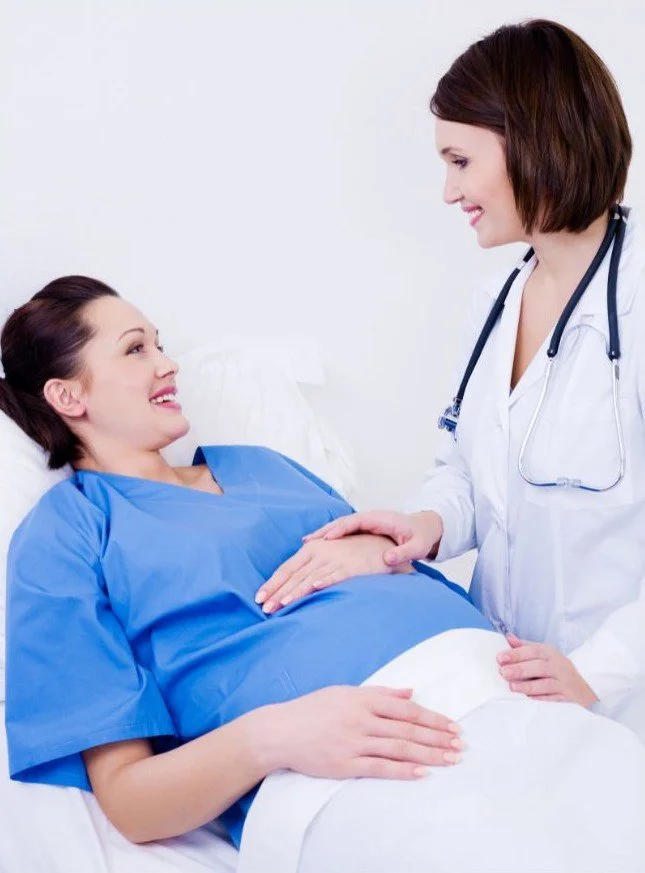
Improving Pelvic Floor Muscle Function
Strong, coordinated pelvic floor muscles provide better support for the uterus and reduce load on the ligaments.
Enhancing Muscle Tone and Flexibility
We address tension in surrounding areas that may be contributing to pain:
Hip flexors
Obliques
Lower abdominal wall
Deep core
Ribcage mobility
Balanced strength reduces ligament strain.
Posture and Body-Mechanics Retraining
Round ligament pain worsens when the pelvis tilts forward.
We help you:
Realign the pelvis
Reduce exaggerated low back arch
Improve walking and transitional movement patterns
Relaxation Techniques
Breathing and relaxation strategies decrease nervous system irritation and muscle tension, reducing pain episodes.
Addressing Related Pregnancy Discomforts
Physiotherapy may also treat:
Lower back pain
Pubic symphysis dysfunction
Groin pain
Hip pain
Urinary leakage
Rib pain
A holistic approach accelerates overall relief.
Individualized Care Plan
Your physiotherapist designs exercises and strategies specifically for your symptoms, posture, pregnancy stage, and movement habits.
❓FAQs About Round Ligament Pain
-
If your pain is sharp, frequent, affecting mobility, or triggered by daily movements, pelvic floor physio can help.
-
No. It does not affect your baby or your uterus; it's discomfort for you, but not dangerous.
-
Yes, especially if posture changes or pelvic instability worsen as the uterus grows.
-
Most patients experience significant improvement within a few sessions. The goal is to reduce pain, prevent flare-ups, and support your body as pregnancy progresses.
-
Yes. When applied properly by a trained physiotherapist, it is safe, comfortable, and highly effective.
Why Choose Ova Women’s Health in Burnaby, BC?
At Ova, we take pregnancy discomfort seriously, even when it’s considered “normal.” Round ligament pain can impact walking, sleeping, working, and overall comfort. Our approach ensures you feel supported, validated, and cared for at every stage.


Here’s why women across Burnaby and the Lower Mainland trust us:
✅ Specialized Training in Pregnancy & Pelvic Floor Rehab
We treat hundreds of pregnant women experiencing ligament pain, pelvic pain, or movement limitations.
✅Evidence-Informed Techniques
We use a combination of manual therapy, deep core training, kinesiotaping, pelvic alignment work, and movement retraining.
✅ Gentle, Safe, Pregnancy-Focused Care
Every technique is adapted for your trimester, comfort, and medical history.
✅ Whole-Body Approach
We assess posture, breathing, core tension, pelvic asymmetry, movement patterns, and ligament strain, not just the pain.
✅Trusted by Families Across the Lower Mainland
Women from Burnaby, Vancouver, and beyond choose Ova for compassionate expertise and meaningful results.
Ready to Begin?
Don’t wait. The sooner we start, the sooner you can feel stronger and more supported. Space is limited due to high demand, but if you’re ready to take the first step toward lasting pelvic health, we’re here to help.
📌Related Blogs on Our Website
➡️To Birth & Beyond: The Benefits of Birth Preparation
➡️Ultrasound Therapy for Clogged Milk Ducts
➡️The Essential Guide to Cesarean Birth Rehabilitation
➡️Perineal Scar Rehabilitation: The Role of Pelvic Floor Physiotherapy
➡️Lower Back Pain During Pregnancy
➡️Complete Guide to Pelvic Floor Physiotherapy During Pregnancy and Postpartum