Vaginal Burning After Sex: Causes and Effective Solutions
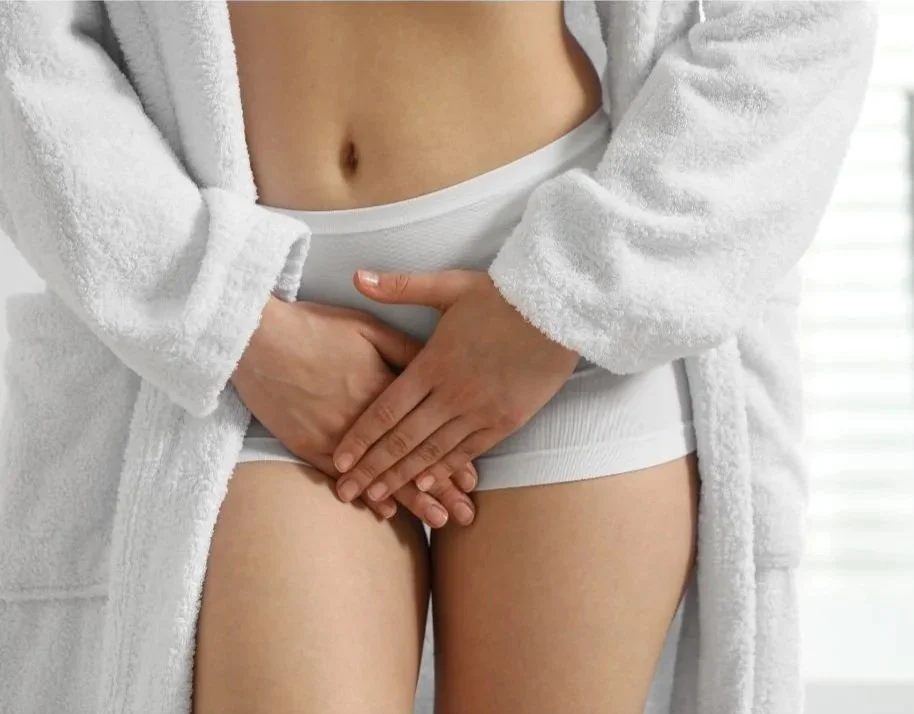
Vaginal burning after sex is a common yet often overlooked concern that can significantly impact one’s comfort, confidence, and intimacy. While it’s natural to feel discomfort occasionally, persistent or recurring burning sensations may point to an underlying issue that needs attention.
In this blog, we’ll explore the potential causes of vaginal burning after sex and effective solutions to help you regain comfort and enjoyment in your intimate life.
⭐ Key Takeaways
Vaginal burning after sex is common, but never normal. It usually indicates friction, infection, pelvic floor dysfunction, hormonal changes, or nerve irritation.
Lack of lubrication, allergies, or sensitivities to condoms/lubricants are frequent causes and often easy to fix with simple changes.
Persistent burning (more than 24–48 hours, recurring weekly, or interfering with sex) requires professional assessment.
Pelvic floor dysfunction, especially tight, overactive muscles, can cause burning during or after sex. Pelvic floor physiotherapy can dramatically reduce symptoms.
Burning after sex may also be linked to hormonal atrophy, nerve irritation (e.g., pudendal neuralgia), vulvodynia, infections, or medication side effects.
Targeted treatment options include pelvic floor physiotherapy, hormone therapy, lubricants, infection treatment, allergy management, and nerve desensitization techniques.
With the right diagnosis and care plan, burning after sex is highly treatable and preventable, and women can fully return to comfortable intimacy.
🎥 Watch: Vaginal Burning After Sex: Causes & How Physio Treats It
Vaginal burning after sex is common, but never normal; it's a sign of an underlying issue such as pelvic floor dysfunction, vaginal dryness, hormonal atrophy, nerve irritation, or infection. In this video, our team at Ova Women's Health in Burnaby, BC, explains every possible cause of burning after intercourse and how pelvic floor physiotherapy uses manual therapy, biofeedback, and nerve desensitization to restore comfortable intimacy.
What Causes Vaginal Burning After Sex?
Several factors can lead to vaginal burning after intercourse, ranging from friction to underlying medical conditions. Identifying the cause is the first step toward finding relief.
1. Friction and Insufficient Lubrication
Inadequate lubrication during sex can cause friction, leading to irritation, micro-tears, and a burning sensation. Contributing factors to vaginal dryness include:
Hormonal changes (e.g., menopause, postpartum, breastfeeding).
Stress or anxiety.
Certain medications, such as antihistamines, antidepressants or birth control pills.
2. Infections
Infections are a common cause of post-coital burning. These include:
Yeast Infections: Often accompanied by itching and a thick, white colour discharge with a cheese-like consistency.
Bacterial Vaginosis: Typically causes a fishy odour and thin, grey-coloured discharge.
Urinary Tract Infections (UTIs): May lead to burning during urination.
Sexually Transmitted Infections (STIs): Conditions like chlamydia, gonorrhea, or herpes can cause discomfort during or after sex.
3. Allergic Reactions
Some individuals may experience sensitivities or allergies to:
Latex in condoms.
Ingredients in lubricants or spermicides.
Personal care products or even semen.
4. Pelvic Floor Dysfunction
Overactive or tight pelvic floor muscles can make penetration uncomfortable and result in burning sensations after sex. Conditions like vaginismus, where vaginal muscles involuntarily tighten, can also cause significant pain.
5. Hormonal Changes and Vaginal Atrophy
Hormonal fluctuations, particularly during perimenopause, menopause, or postpartum, can lead to vaginal atrophy. This thinning and drying of the vaginal walls makes the area more prone to irritation and burning.
6. Nerve-Related Issues
Nerve conditions like pudendal neuralgia involve irritation or damage to the pudendal nerve, causing burning pain in the pelvic region, which may worsen during or after intercourse.
Effective Solutions for Vaginal Burning
Whether your symptoms are occasional or persistent, there are practical steps and treatments that can help alleviate vaginal burning after sex.
1. Enhance Lubrication
Using high-quality lubricants can significantly reduce friction and discomfort during intercourse. Opt for:
Water-based lubricants: Ideal for sensitive skin.
Silicone-based lubricants: Longer-lasting and suitable for those with severe dryness.
Oil-based lubricants: Longer-lasting; however, they are incompatible with condoms.
Avoid scented or flavoured products that may irritate sensitive tissues.
2. Treat Underlying Infections
If an infection is the culprit, timely treatment is essential. Consult a healthcare provider to accurately diagnose and address conditions like yeast infections, bacterial vaginosis, or UTIs.
3. Manage Allergies and Sensitivities
Switch to hypoallergenic products, such as non-latex condoms or natural, unscented lubricants, to minimize irritation. If you suspect an allergy, discuss alternative options with your healthcare provider.
4. Pelvic Floor Physiotherapy
For those with pelvic floor dysfunction, working with a pelvic floor physiotherapist can help. Treatments may include:
Manual Therapy: To release tension in overactive pelvic muscles.
Biofeedback: To improve muscle awareness and relaxation.
Tailored Exercises: To strengthen and relax the pelvic floor muscles.
5. Hormonal and Non-Hormonal Treatments
For vaginal atrophy caused by hormonal changes, options include:
Localized Estrogen Therapy: To restore tissue elasticity and hydration.
Non-Hormonal Moisturizers: To maintain vaginal health and hydration.
Consult your healthcare provider to determine the most suitable treatment.
6. Address Nerve Pain
If nerve-related issues like pudendal neuralgia are contributing to discomfort, treatments such as physical therapy, medications, or nerve blocks may provide relief.
Preventing Vaginal Burning After Sex
Prevention is key to reducing discomfort and promoting long-term vaginal health. Consider these tips:
Prioritize Foreplay: Adequate arousal can enhance natural lubrication and minimize friction.
Stay Hydrated and Eat a Balanced Diet: Proper hydration and nutrition support overall vaginal health.
Maintain Good Hygiene: Regular check-ups, practicing safe sex, and using gentle cleansers can prevent infections and irritation.
Communicate with Your Partner: Communication about comfort levels and preferences can improve your intimate experiences.
When to Seek Professional Help
If vaginal burning after sex persists, recurs frequently or is accompanied by symptoms like unusual discharge, itching, or severe pain, it’s crucial to consult a healthcare provider. Early intervention can lead to effective treatment and prevent complications.
How Pelvic Floor Physiotherapy Can Help with Vaginal Burning After Sex
Pelvic floor physiotherapy is a powerful tool in addressing vaginal burning after sex, particularly when the discomfort stems from muscular or nerve-related issues. Tight or overactive pelvic floor muscles are often a contributing factor, leading to pain and burning sensations during or after intercourse. A pelvic floor physiotherapist can assess these muscles and use specialized techniques, such as manual therapy and guided relaxation, to release tension and restore proper muscle function.
In cases where nerve irritation, such as pudendal neuralgia or vulvodynia, is involved, physiotherapy can help desensitize the affected nerves and improve their mobility, reducing hypersensitivity. Additionally, physiotherapists can address the impact of hormonal changes, such as those occurring postpartum or during menopause, by offering strategies to maintain tissue hydration and elasticity, such as recommending safe lubricants and pelvic exercises.
Beyond physical relief, pelvic floor physiotherapy promotes emotional well-being by creating a safe space to address intimate concerns, rebuild confidence, and provide long-term tools for managing discomfort.
If vaginal burning persists despite other interventions, consulting a pelvic floor physiotherapist can be a transformative step toward healing and reclaiming comfort.
Why Choose Ova in Burnaby, BC?
At Ova, we specialize in pelvic floor physiotherapy, providing compassionate and expert care for conditions like Vaginal Burning After Sex. Conveniently located in Burnaby, BC, we serve women across Burnaby, the Lower Mainland, and beyond, offering a supportive and evidence-based approach to managing pelvic health challenges.


Vaginal burning after sex can be a distressing issue, affecting both physical comfort and emotional well-being. At Ova, we’ve had the privilege of helping many women experiencing similar symptoms find relief and regain confidence. Our team brings extensive expertise to each session, creating customized care plans designed to address the root causes of discomfort, whether they stem from pelvic floor dysfunction, hormonal changes, or other factors.
Our approach combines evidence-based techniques, such as manual therapy, relaxation exercises, and biofeedback, to improve pelvic floor function, reduce muscle tension, and alleviate irritation. We also provide guidance on lifestyle adjustments, proper lubrication, and other strategies to support long-term relief.
For urgent concerns, Ova offers Emergency Appointments to provide timely care and help you manage discomfort when it becomes overwhelming. Our dedicated team is here to prioritize your well-being and guide you through your healing journey with confidence and compassion.
At Ova, we are proud to make a meaningful difference in the lives of women facing vaginal burning after sex. If you’re in Burnaby, BC, or nearby areas, we invite you to experience the expert care and personalized support that Ova is known for. Let’s work together to help you achieve lasting comfort, confidence, and wellness.
Ready to Begin?
Don’t wait. The sooner we start, the sooner you can feel relief. Space is limited due to high demand, but if you are ready to take the first step toward recovery, we are here to support you every step of the way.
❓FAQs About Vaginal Burning After Sex
-
Occasional mild irritation after sex can happen, especially if there was friction or insufficient lubrication. However, persistent or recurring burning is not normal and often indicates an underlying issue such as dryness, infection, or pelvic floor dysfunction.
-
The most common causes include friction from dryness, infections like yeast or bacterial vaginosis, allergic reactions to products such as condoms or lubricants, pelvic floor tension, hormonal changes, or nerve irritation. Identifying the exact cause is key to finding lasting relief.
-
Yes. When pelvic floor muscles are tight or overactive, they can create tension and friction during penetration, resulting in burning pain afterward. Pelvic floor physiotherapy can help release this tension, improve muscle control, and reduce sensitivity.
-
Pelvic floor physiotherapy addresses the root causes of discomfort. Techniques such as manual therapy, biofeedback, and relaxation training help improve blood flow, relieve muscle tightness, and restore healthy pelvic function. Many women experience significant relief and improved comfort after treatment.
-
Yes. Hormonal fluctuations during menopause, postpartum recovery, or breastfeeding can lead to vaginal dryness and thinning of the tissues (atrophy), which increases irritation and burning. Localized estrogen or non-hormonal moisturizers can often help.
-
If the burning is accompanied by unusual discharge, odour, or itching, it may be due to an infection such as a yeast infection, bacterial vaginosis, or an STI. A healthcare provider can perform testing to confirm the cause and prescribe treatment.
-
Yes. Some women react to latex condoms, spermicides, lubricants, or scented hygiene products. Switching to hypoallergenic or unscented options can make a significant difference.
-
If the burning lasts more than a day or two, keeps returning, or is accompanied by other symptoms such as itching, pain, or unusual discharge, it’s best to seek help right away. Early diagnosis prevents chronic irritation and discomfort.
-
Stay hydrated, choose gentle cleansers, prioritize foreplay, use water- or silicone-based lubricants, wear breathable cotton underwear, and communicate openly with your partner. Avoid fragranced soaps, tight clothing, and harsh hygiene products.
-
If the burning persists despite treating infections or changing products, pelvic floor physiotherapy may be the missing piece. It helps release pelvic tension, improve circulation, and restore healthy muscle and nerve function.
📌Related Blogs on Our Website
➡️Painful Intercourse: Why It Happens and How We Treat It
➡️Vaginismus and the Path to Pain-Free Intimacy
➡️Painful Orgasm: Understanding Dysorgasm
📌External Resources
🌐Science Direct. Vaginal lubrication.