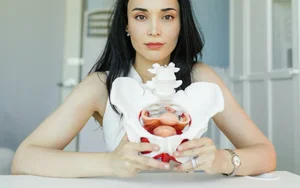
Managing Menopause with Pelvic Floor Physiotherapy
Menopause is a natural biological process that marks the end of a woman’s reproductive years, typically occurring between ages 45 and 55, though it can happen earlier or later. The transition into menopause (perimenopause) and the years that follow (post-menopause) can bring hormonal shifts that affect physical, emotional, and pelvic health.
Symptoms such as hot flashes, sleep disturbances, vaginal dryness, urinary changes, pelvic discomfort, and changes in libido are common, yet many women aren’t aware that pelvic floor physiotherapy can play a meaningful role in easing these concerns.
Pelvic floor physiotherapy provides an effective, evidence-informed approach to improving pelvic muscle function, reducing discomfort, and supporting long-term pelvic and sexual health. This guide explores the symptoms of pre- and post-menopause and highlights how pelvic floor physiotherapy can help women navigate this stage with more comfort and confidence.
⭐Key Takeaways
Menopause typically occurs between the ages of 45 and 55, with hormonal changes affecting bladder, bowel, sexual health, mood, sleep, and pelvic function.
Vaginal dryness, urinary leakage, pelvic pain, and discomfort during intercourse are common due to reduced estrogen and changes in pelvic floor muscle function.
Pelvic floor physiotherapy supports menopausal women by improving pelvic muscle coordination, reducing pain, enhancing sexual function, and supporting bladder and bowel control.
Evidence shows that pelvic floor physiotherapy can reduce urinary incontinence, improve prolapse symptoms, relieve pelvic pain, and restore confidence during menopausal transitions.
A whole-body approach, including exercise, posture, breathing patterns, lubricants, and hygiene habits, can greatly enhance results.
🎥 Watch: Menopause & Pelvic Floor: Why It Happens & How Physio Treats It
Menopause brings hormonal shifts that directly affect the pelvic floor, leading to urinary incontinence, pelvic organ prolapse symptoms, painful intercourse (dyspareunia), pelvic pain, and bowel changes. This video explains how pelvic floor physiotherapy provides an evidence-informed, non-surgical approach to treating these symptoms during perimenopause and post-menopause, helping women restore comfort, bladder control, and sexual health at every stage of the transition.
Understanding Menopause and Its Phases

Menopause occurs when a woman has not had a menstrual period for 12 consecutive months. The years surrounding this transition are divided into:
Perimenopause
A multi-year phase in which estrogen and progesterone levels begin to fluctuate and gradually decline. Women may experience irregular periods, hot flashes, mood changes, sleep issues, vaginal dryness, and pelvic symptoms.
Post-Menopause
The years following menopause are when hormonal levels remain low. Symptoms may continue but often stabilize. Long-term, women may experience urinary changes, vaginal atrophy, reduced tissue elasticity, and changes in bone and cardiovascular health.
Common Symptoms of Pre-Menopause (Perimenopause)
Irregular Periods: One of the earliest signs of perimenopause is changes in menstrual cycle patterns, including irregular periods.
Hot Flashes and Night Sweats: Sudden feelings of warmth, often accompanied by sweating, are common during perimenopause.
Mood Swings: Hormonal fluctuations can lead to irritability, anxiety, and depression.
Sleep Disturbances: Many women experience difficulty sleeping, often due to night sweats or other symptoms.
Vaginal Dryness: Decreased estrogen levels can cause vaginal dryness, discomfort, and increased risk of infections.
Decreased Libido: Changes in hormone levels can affect sexual desire and arousal.
Common Symptoms of Post-Menopause
Vaginal and Urinary Changes: Vaginal atrophy, dryness, and urinary incontinence are common due to reduced estrogen levels.
Bone Density Loss: Decreased estrogen can reduce bone density and osteoporosis, increasing the risk of fractures.
Cardiovascular Changes: Post-menopausal women are at a higher risk of cardiovascular diseases.
Weight Gain: Metabolic changes can lead to weight gain, particularly around the abdomen.
Continued Hot Flashes: Some women may continue to experience hot flashes and night sweats after menopause.
How Pelvic Floor Physiotherapy Helps During Menopause

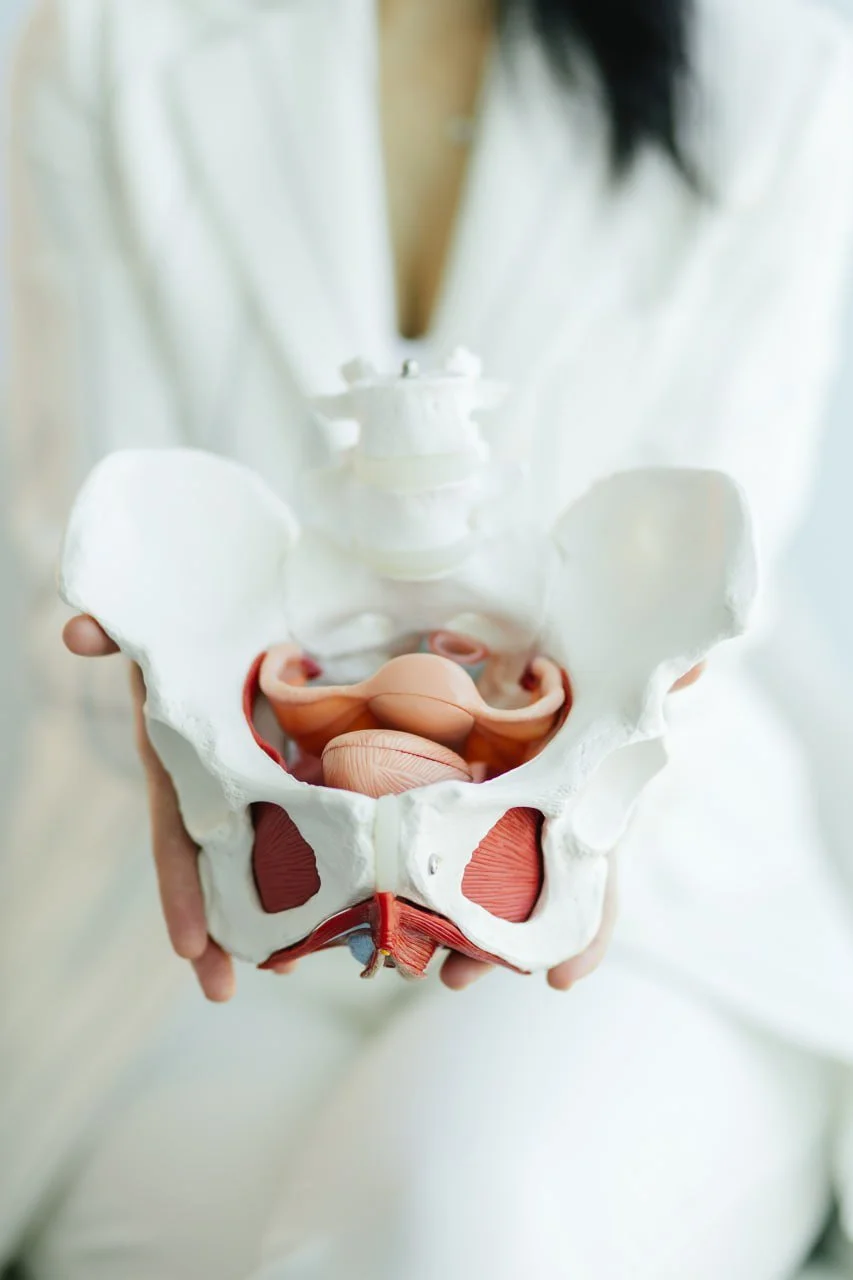
Pelvic floor physiotherapy is a specialized treatment that improves the strength, coordination, and relaxation of the pelvic floor muscles. These muscles support the bladder, bowel, uterus, and sexual function.
Here’s how physiotherapy can support menopausal women:
1. Urinary Incontinence
Low estrogen can weaken pelvic tissues, increasing leakage with coughing, laughing, or exercise.
Pelvic floor therapy helps by:
Strengthening the muscles responsible for bladder support
Improving timing, coordination, and control
Teaching strategies to calm urgency and reduce leakage episodes
2. Pelvic Organ Prolapse
Decreased tissue elasticity can allow pelvic organs to descend.
Physiotherapy helps by:
Improving pelvic muscle support
Teaching pressure management and safe lifting strategies
Reducing symptoms like heaviness or bulging
3. Pain During Intercourse (Dyspareunia)
Low estrogen causes dryness and reduced elasticity.
Pelvic floor physiotherapy helps by:
Improving blood flow
Relaxing hypertonic muscles
Teaching the use of moisturizers, lubricants, and dilators
Reducing burning or stinging at the vaginal opening
4. Pelvic Pain
Menopausal tension patterns can lead to overactivity of pelvic muscles.
Pelvic physiotherapy reduces this through:
Manual therapy
Breathing and relaxation techniques
Nervous system regulation
5. Constipation and Bowel Issues
Hormonal changes can slow digestion.
Physiotherapy supports bowel health by improving:
Pelvic coordination
Toileting posture
Breathing and pressure management
Incorporating Pelvic Floor Physiotherapy into a Healthy Lifestyle
To maximize the benefits of pelvic floor physiotherapy, it is essential to incorporate it into a broader healthy lifestyle:
Regular Exercise: Engage in regular physical activity, including cardiovascular exercises, strength training, and flexibility exercises. This helps maintain a healthy weight, improve bone density, and enhance overall well-being.
Balanced Diet: Eat a diet rich in calcium, vitamin D, and other essential nutrients to support bone health and overall vitality.
Hydration: Drink plenty of water to stay hydrated and support bodily functions.
Stress Management: Practice stress-reducing techniques such as yoga, meditation, and deep breathing exercises.
Regular Check-ups: Schedule regular medical check-ups to monitor and manage any health issues, including bone density and cardiovascular health.
❓FAQs About Menopause & Pelvic Floor Physiotherapy
-
Yes. Decreased estrogen affects pelvic tissues, leading to dryness, weakness, urgency, leakage, or pain. Many women first notice pelvic symptoms during perimenopause.
-
Absolutely. Treatment is gentle, personalized, and evidence-informed. It supports the muscles and tissues affected by hormonal changes.
-
Yes. Improved circulation, muscle relaxation, and guided use of lubricants and moisturizers can reduce dryness-related discomfort.
-
Yes. Regular pelvic floor training helps maintain bladder control, sexual comfort, and organ support as natural tissue elasticity changes.
-
Yes. Many menopausal women experience pain from tight pelvic muscles, dryness, or tissue sensitivity. Therapy addresses all of these factors.
-
Not necessarily, but every woman benefits from an assessment. Many concerns go unnoticed until they begin affecting daily life.
Why Choose Ova Women’s Health in Burnaby, BC?
Menopause-related concerns are often minimized or brushed aside, leaving many women feeling unheard or unsure where to go for help. At Ova, we know these symptoms are real and treatable. You deserve care that looks at the whole picture, not just the hormone changes.


Here’s what makes Ova different:
✅ Extensive experience in menopause-related pelvic health
We have treated thousands of women navigating dryness, discomfort, urinary leakage, painful intercourse, and pelvic organ changes.
✅ Evidence-informed, gentle physiotherapy tailored to menopausal bodies
We improve muscle coordination, reduce pelvic tension, and guide you through effective techniques to restore comfort and function.
✅Guidance beyond exercises
We address posture, breathing, tissue health, moisturizers, lubricants, intimacy concerns, and everyday habits that influence pelvic wellness.
✅A whole-body, whole-woman approach
Menopause is complex. We look at nervous system patterns, muscle tension, movement, and lifestyle for greater, lasting improvement.
✅Compassionate care in a private, respectful space
You’ll never feel rushed or dismissed. We take time to understand your symptoms and create a plan that feels supportive and achievable.
✅ Trusted across Burnaby, Vancouver, and the Lower Mainland
Women travel to Ova for specialized pelvic health expertise that blends clinical training with genuine care.
Ready to Begin?
Don’t wait. The sooner we start, the sooner you can feel stronger and more supported. Space is limited due to high demand, but if you’re ready to take the first step toward lasting pelvic health, we’re here to help.
📌Related Blogs on Our Website
➡️Treatment of Urinary Urgency and Frequency
➡️Stress and Pelvic Floor Tension
➡️Urinary and Fecal Incontinence
➡️Easing Painful Sex During Menopause with Pelvic Floor Therapy