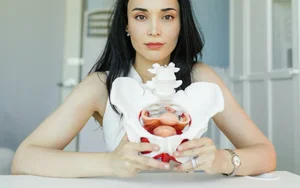
Painful Menstrual Cycles and the Role of Pelvic Floor Physiotherapy
Painful menstrual cycles, also known as Dysmenorrhea, can be a distressing and debilitating experience for many individuals. While it is a common issue faced by women, the impact it has on one's quality of life should not be underestimated. In this blog, we will explore the connection between painful menstrual cycles and the potential benefits of pelvic floor physiotherapy in addressing this issue.
⭐ Key Takeaways
Painful menstrual cycles are common, but not something you must simply endure.
Pelvic floor dysfunction often contributes to cramping and deep pelvic discomfort.
Pelvic floor physiotherapy improves muscle relaxation, circulation, and hormonal symptom tolerance.
Many women with endometriosis, fibroids, or cycle-related pelvic tension experience meaningful improvement with physiotherapy.
Early assessment leads to better outcomes, especially when pain interferes with daily life.
🎥Watch: Painful Menstrual Cycles and the Role of Pelvic Floor Physiotherapy
This video explains how pelvic floor dysfunction, muscle tension, and nervous system sensitivity contribute to painful menstrual cycles, and how pelvic floor physiotherapy helps reduce pain and improve function.
Understanding Dysmenorrhea

Dysmenorrhea is characterized by cramping, sharp lower abdominal pain, and discomfort that typically occurs just before or during menstruation. For some, it may be a minor inconvenience, while for others, it can be severe and significantly affect their daily activities. There are two main types of dysmenorrhea:
Primary Dysmenorrhea: This type of pain is not associated with any underlying medical condition. It is typically caused by uterine contractions as the body sheds its uterine lining during menstruation. Hormonal changes and the release of prostaglandins contribute to this type of pain.
Secondary Dysmenorrhea: This is associated with an underlying medical condition, such as Endometriosis or Fibroids. In these cases, the pain can be more severe and persistent.
When Menstrual Pain May Not Be “Normal”
Although discomfort during menstruation is common, certain symptoms suggest deeper pelvic floor involvement or an underlying medical condition. You may benefit from an assessment if you notice:
Pain severe enough to miss school, work, or daily activities
Pain lasting longer than seventy-two hours
Pain radiating into the pelvis, back, or legs
Pain with bowel movements
Pain during sex
Heavy bleeding or clotting
Nausea or vomiting with your cycle
A sudden change in your usual pain pattern
If your symptoms match any of these, pelvic floor physiotherapy can be a helpful next step.
The Role of Pelvic Floor Physiotherapy
Pelvic Floor Physiotherapy is a specialized form of physiotherapy that focuses on the muscles, ligaments, and connective tissues of the pelvic area. While it is better known for the treatment of conditions such as Painful Intercourse, urinary/fecal incontinence or Pelvic Organ Prolapse, it can also be incredibly beneficial for individuals experiencing painful menstrual cycles, especially if their pain is related to pelvic muscle dysfunction. Here are a few ways Pelvic Floor Physiotherapy can help with pain management during menstrual cycles:
Muscle Relaxation: A variety of manual and hands-on techniques can help relax tense pelvic muscles, which can contribute to reducing the severity of menstrual cramps. This is particularly helpful for individuals with primary dysmenorrhea.
Pain Management: Physiotherapists can teach relaxation and breathing techniques that help manage pain during menstrual cycles, providing a natural and non-pharmacological alternative for pain relief.
Tailored Exercise Program: For those with secondary dysmenorrhea related to underlying medical conditions, targeted pelvic floor exercises can help support the pelvic area and provide relief from pain.
Education and Lifestyle Advice: Pelvic floor physiotherapists can educate patients on maintaining a healthy lifestyle, which includes nutrition and exercise recommendations that can positively impact menstrual pain.
Painful menstrual cycles can be challenging to manage, but Pelvic Floor Physiotherapy offers a holistic approach to addressing this issue. By focusing on muscle relaxation, pain management, appropriate exercises, and lifestyle advice, individuals can find relief from dysmenorrhea and enjoy a better quality of life. If you are experiencing painful menstrual cycles, consider consulting a pelvic floor physiotherapist to explore the potential benefits of this specialized form of physiotherapy.
Remember, it's essential to consult with a healthcare professional to determine the cause of your menstrual pain and receive tailored treatment recommendations.
When Should You Seek Immediate Medical Care?
While most menstrual pain is not dangerous, certain symptoms require prompt medical attention. Seek urgent care if you experience:
Sudden and severe pelvic or abdominal pain
Fever with pelvic pain
Fainting or dizziness during menstruation
Bleeding after sex
Bleeding that soaks through pads every one to two hours
These symptoms may indicate a gynecological condition that needs medical evaluation.
❓FAQs About Painful Menstrual Cycles and Pelvic Floor Physiotherapy
-
Painful menstrual cycles can result from uterine contractions and the release of prostaglandins, which cause inflammation and cramping. In some cases, conditions like endometriosis, fibroids, or pelvic floor dysfunction can intensify pain and make each cycle more difficult to manage.
-
Mild cramping is common, but pain that interferes with daily activities, work, or sleep is not normal. If your pain is severe, persistent, or accompanied by symptoms like heavy bleeding or pain during intercourse, you should consult a healthcare professional for proper assessment.
-
Pelvic floor physiotherapy focuses on relaxing overactive muscles, improving blood flow, and reducing pelvic tension. Techniques such as manual therapy, stretching, and breathing exercises can help relieve cramps, improve mobility, and support hormonal balance by calming the nervous system.
-
Yes. It can be beneficial for both primary dysmenorrhea (period pain without an underlying condition) and secondary dysmenorrhea (pain caused by conditions like endometriosis or fibroids). Treatment is customized based on the cause and intensity of your symptoms.
-
Your session starts with a detailed discussion about your symptoms, menstrual history, and lifestyle. The physiotherapist then assesses posture, breathing, and pelvic muscle tone. Treatment may include gentle manual techniques, relaxation strategies, and tailored exercises to help reduce tension and pain.
-
While pelvic floor physiotherapy doesn’t replace medication, it can significantly reduce your reliance on painkillers by addressing the root causes of pelvic tension and improving muscle coordination. Many women find that physiotherapy helps make their periods more manageable naturally.
-
Some women notice relief within a few sessions, while others see gradual improvement over several menstrual cycles. The key is consistency and following your physiotherapist’s home exercise recommendations.
-
Yes. Many women with endometriosis experience overactivity and guarding in the pelvic floor muscles due to chronic pain. Physiotherapy can help release tension, improve circulation, and support overall pain management as part of a multidisciplinary treatment plan.
-
No! Physiotherapists are primary health providers, and you do not need to have a referral from your doctor.
-
Yes. Practicing deep diaphragmatic breathing, staying hydrated, maintaining regular movement, and avoiding prolonged sitting can help reduce pelvic tension. Your physiotherapist can also teach specific self-care techniques to use during your cycle for added comfort.
Why Choose Ova Women’s Health in Burnaby for Painful Menstrual Cycles?
Ova is not just a pelvic floor physiotherapy practice; we’re international experts in complex pelvic health.
At Ova Women’s Health, our clinical approach blends global experience, cultural insight, and advanced, evidence-based care. With hands-on training across three continents, we integrate the wisdom of traditional healing with the most up-to-date, research-backed methods in pelvic floor physiotherapy.


Painful menstrual cycles are often misunderstood, minimized, or dismissed. At Ova, we take a deeper look. We’ve treated thousands of complex pelvic cases, including women with severe cramps, endometriosis, and cycle-related pelvic floor dysfunctions that others may overlook. Whether your pain leaves you curled up in bed, missing work, or struggling to enjoy daily life, we create personalized treatment plans rooted in both science and compassion.
Our Burnaby clinic is trusted by women across Vancouver and the Lower Mainland seeking clarity, lasting relief, and expert care.
Ready to Begin?
Don’t wait. The sooner we start, the sooner you can feel stronger and more supported. Space is limited due to high demand, but if you’re ready to take the first step toward lasting pelvic health, we’re here to help.
📌Related Blogs on Our Website
➡️Relieving Vulvodynia: A Journey From Pain to Pleasure
➡️Painful Intercourse: A Comprehensive Guide