Understanding Pudendal Neuralgia
Pudendal Neuralgia is one of the most complex and misunderstood pelvic pain conditions. It occurs when the pudendal nerve, which supplies the genitals, perineum, and rectal region, becomes irritated, compressed, or overly sensitized. Because this nerve plays a vital role in bladder, bowel, and sexual function, its dysfunction can lead to significant pain and disruption to daily life.
Early recognition and targeted pelvic floor physiotherapy can dramatically improve outcomes, reduce pain, and restore quality of life. This guide explains the condition, common symptoms, and how pelvic floor physiotherapy offers an effective, evidence-informed approach to relief.
⭐ Key Takeaways
The pudendal nerve supports sensation and muscle control in the pelvic region. Irritation or compression can cause burning, stabbing, or electric pelvic pain.
Sitting pain is one of the strongest indicators of Pudendal Neuralgia.
Pelvic floor physiotherapy focuses on muscle relaxation, nerve desensitization, breathing, mobility training, and lifestyle modifications to reduce symptoms.
Early intervention prevents long-term nerve sensitization and improves recovery outcomes.
Personalized treatment is essential—no two pudendal pain cases present the same way.
🎥 Watch: Pudendal Neuralgia — Why It Happens & How Pelvic Floor Physio Treats It
This video explains how pudendal nerve irritation and compression cause chronic pelvic pain, burning, sitting pain, and bladder and bowel dysfunction — and how pelvic floor physiotherapy uses muscle relaxation, biofeedback, neural gliding exercises, and nervous system down-training to reduce pudendal neuralgia symptoms and restore quality of life. If you experience burning pelvic pain or pain that worsens with sitting, this video is essential to watch.
What is the Pudendal Nerve?
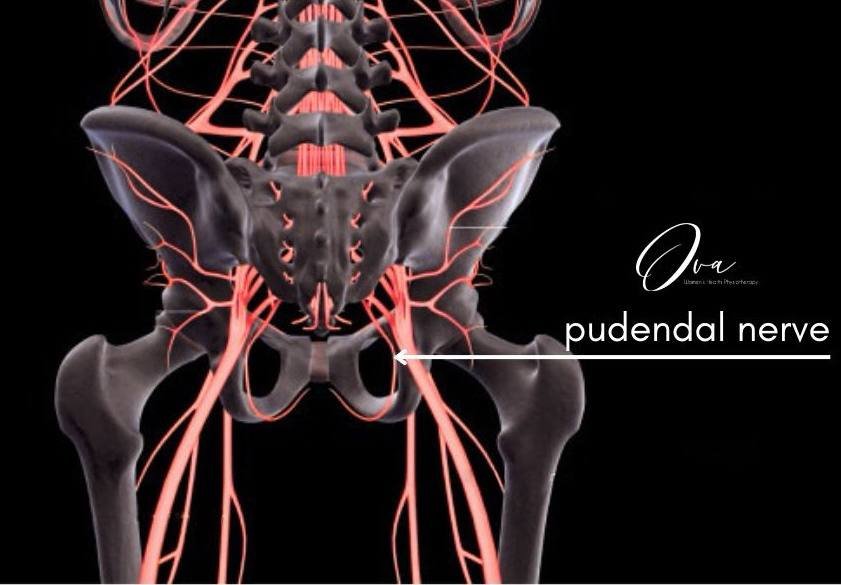
The pudendal nerve is a major pelvic nerve responsible for:
Sensation to the genitals, perineum, and anal region
Motor control of pelvic floor muscles
Supporting bladder and bowel control
Contributing to sexual arousal and function
Maintaining pelvic stability
When this nerve becomes irritated or compressed, Pudendal Neuralgia can develop, leading to both sensory disturbances and muscle dysfunction.
Understanding Pudendal Neuralgia
Pudendal Neuralgia is characterized by pain, burning, or discomfort in the pelvic region, including the genitals, perineum, and rectum. This condition can significantly impact an individual's quality of life, leading to emotional distress and physical limitations.
Pudendal Neuralgia is characterized by a range of symptoms that primarily involve the pelvic region. While the intensity and manifestation of symptoms can vary from person to person, common indicators of Pudendal Neuralgia include:
✔ Chronic Pelvic Pain
Sharp, stabbing, electric, or burning pain in the genitals, perineum, anus, or inner pelvis.
✔ Burning or Tingling Sensations
Nerve irritation often causes neuropathic sensations that are difficult to localize but extremely distressing.
✔ Increased Pain When Sitting
One of the strongest diagnostic clues. Many individuals experience relief when standing or lying down.
✔ Painful Sexual Activity
Pain during or after intercourse due to nerve irritation and pelvic floor muscle guarding.
✔ Urinary or Bowel Dysfunction
Frequency, urgency, pain during voiding, incomplete emptying, or difficulty relaxing pelvic muscles.
✔ Numbness or Hypersensitivity
Altered sensation, either reduced or overly sensitive, around the genitals, rectum, or perineal region.
These symptoms often lead to anxiety, fear of movement, and avoidance of daily activities, making early professional assessment crucial.
Pelvic Floor Physiotherapy: An Effective Treatment Approach
Pelvic floor physiotherapy is a specialized form of physical therapy designed to address issues related to the deep core muscles, ligaments, and connective tissues. Pelvic floor physiotherapy has proven to be effective in managing the symptoms of Pudendal Neuralgia.
There are a variety of techniques and tools that can be effective in treating symptoms, including:

1. Pelvic Floor Muscle Relaxation
Most individuals with pudendal nerve irritation have tight, overactive, or guarded pelvic floor muscles.
Treatment may include:
Manual release
Myofascial techniques
Breathing and down-training strategies
Nervous system regulation
This reduces mechanical compression on the nerve.
2. Biofeedback
Biofeedback helps patients understand:
When their muscles are overly contracted
How to relax pelvic floor muscles effectively
How the nervous system responds to tension
This is essential for long-term symptom management.
3. Mobility, Stretching & Neural Gliding Exercises
Targeted exercises improve:
Hip and pelvic mobility
Nerve movement (“neural flossing”)
Blood flow
Pain-free movement patterns
Physiotherapists tailor each program based on the symptom irritability level.
4. Lifestyle, Postural & Activity Modifications
Small changes can significantly reduce nerve irritation:
Avoiding certain sitting positions
Using cut-out cushions
Adjusting cycling, exercise, or work habits
Reducing pressure on the nerve during daily activities
Education is one of the most powerful treatment tools.
5. Addressing Contributing Factors
Pelvic floor physiotherapists assess the whole body, including:
Lumbar spine mobility
Hip function
Breathing patterns
Stress response
Abdominal wall and core engagement
This ensures a complete and effective treatment plan.
❓FAQs About Pudendal Neuralgia
-
The strongest clinical signs are burning pelvic pain and increased pain with sitting. A pelvic floor physiotherapist can perform a detailed assessment to help determine whether your symptoms align with pudendal nerve involvement.
-
No. Many individuals improve significantly with physiotherapy, lifestyle modification, and early intervention.
-
Yes. It can develop from prolonged sitting, high-impact exercise, childbirth, pelvic surgery, constipation, or chronic pelvic muscle tension.
-
Treatment is gentle, gradual, and always within your comfort. The goal is to calm, not provoke, the nervous system.
-
It depends on the severity and duration of symptoms. Many people experience improvement within weeks, while chronic cases require longer-term support.
Why Choose Ova Women’s Health in Burnaby, BC?
Pudendal Neuralgia is complex; your treatment should never be generic. At Ova, we specialize in diagnosing and treating complex pelvic pain conditions using globally informed, evidence-based strategies.



Here’s why women across Burnaby and the Lower Mainland trust us:
✅ Advanced training in complex pelvic nerve pain
We deeply understand pudendal nerve pathways, pain patterns, and muscular interactions.
✅ Gentle, therapeutic, tailored care
Every treatment plan is customized based on your pain irritability, triggers, and goals.
✅ Biofeedback, manual therapy & nervous system–based rehabilitation
We blend the latest physiotherapy tools with clinical experience to optimize healing.
✅ Trauma-informed, supportive environment
You are always treated with compassion, safety, and respect.
✅ A whole-body approach to pelvic health
We look beyond pelvic symptoms to understand the full picture: posture, breathing, core function, stress, and lifestyle.
Pelvic pain is isolating, but you don’t have to navigate this alone. We’re here to support you toward reduced pain, improved function, and restored confidence.
Ready to Begin?
Don’t wait. The sooner we start, the sooner you can feel stronger and more supported. Space is limited due to high demand, but if you’re ready to take the first step toward lasting pelvic health, we’re here to help.
📌Related Blogs on Our Website
➡️What’s Causing Your Pelvic Pain?
➡️Provoked Vestibulodynia & How Pelvic Floor Physiotherapy Can Help
➡️Restoring Bladder Control: Treatment of Urinary Urgency and Frequency
➡️Overcoming Endometriosis: The Role of Pelvic Floor Physiotherapy
➡️Addressing Pain During or After Sex: A Comprehensive Guide
➡️Vaginismus & The Role Of Pelvic Floor Physiotherapy