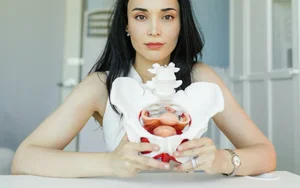
Provoked Vestibulodynia, also known as PVD or vestibulitis, is a debilitating condition that affects a significant number of women worldwide. Despite its prevalence, it remains widely misunderstood and often goes undiagnosed or misdiagnosed. This blog aims to raise awareness about Provoked Vestibulodynia and shed light on how pelvic floor physiotherapy can provide much-needed relief and improve the quality of life for those suffering from this condition.
⭐ Key Takeaways
Provoked Vestibulodynia (PVD) is a persistent pain condition affecting the vestibule, the entrance of the vagina, typically triggered by touch or pressure.
Common triggers include intercourse, tampon use, tight clothing, pelvic exams, wiping, and bike seats.
PVD often involves nerve hypersensitivity, inflammation, hormonal influences, and pelvic floor muscle overactivity, making it a multifactorial condition.
Pelvic floor physiotherapy is a first-line, evidence-based treatment that targets muscle tension, nerve irritation, and hypersensitivity.
Techniques such as manual therapy, desensitization, biofeedback, breathing strategies, and lifestyle modification play a central role in reducing pain.
PVD is highly treatable, especially when addressed early through a personalized plan and a multidisciplinary approach.
Many women live with PVD for years before receiving a diagnosis. Early assessment improves outcomes and reduces emotional impact.
With the right treatment, most patients experience significant improvements in comfort, sexual function, and overall quality of life.
🎥Watch: Provoked Vestibulodynia Treatment with Pelvic Floor Physiotherapy for Chronic Pain with Touch
This video explains how provoked vestibulodynia causes chronic pain with touch through pelvic floor muscle tension and nerve hypersensitivity, and how pelvic floor physiotherapy helps reduce pain and restore function.
Understanding Provoked Vestibulodynia
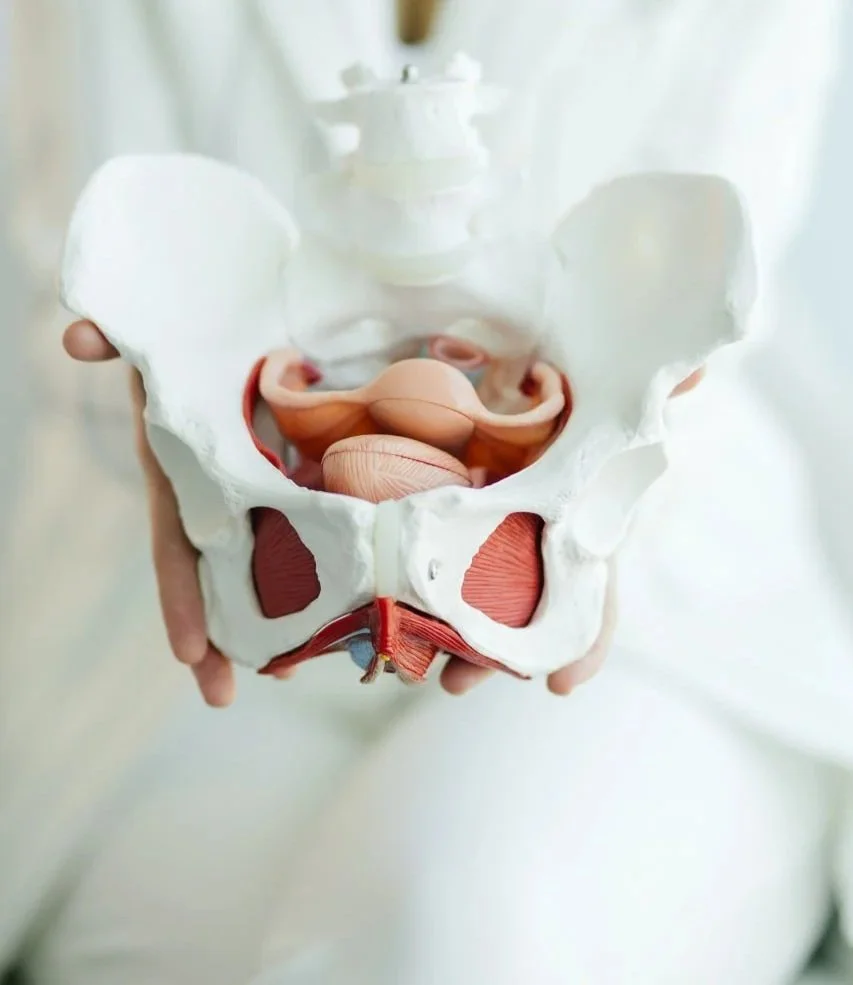
Provoked Vestibulodynia is a persistent pain condition characterized by pain and discomfort localized to the vulvar vestibule, the area surrounding the opening of the vagina. The pain is typically provoked by pressure or touch, such as during sexual intercourse, tampon insertion, or gynecological examinations. This persistent pain can lead to avoidance of sexual activity and intimate relationships, significantly impacting a person's emotional well-being and self-esteem.
The exact cause of PVD is not entirely understood, but it may be linked to a combination of factors such as genetic predisposition, hormonal imbalances, inflammation, nerve hypersensitivity, and pelvic floor muscle dysfunction.
Pelvic Floor Physiotherapy: A Holistic Approach to Relief
Pelvic Floor Physiotherapy is a specialized form of physical therapy that focuses on assessing and treating the muscles, ligaments, and connective tissues in the pelvic region and addressing the contributing factors elsewhere in the body with a whole-person approach. It is a non-invasive and drug-free approach that offers relief and hope to individuals struggling with Provoked Vestibulodynia.
Here is how Pelvic Floor Physiotherapy can help with PVD:
Muscle Assessment and Relaxation Techniques: Pelvic floor physiotherapists are trained to assess the tone and tension of the pelvic floor muscles. Often, individuals with PVD experience hypertonic (overactive) pelvic floor muscles, which can exacerbate pain and discomfort. Through various relaxation techniques, patients can learn to release muscle tension, reduce pain and improve pelvic function.
Biofeedback Training: Biofeedback is a valuable tool used in pelvic floor physiotherapy to help individuals become more aware of their pelvic floor muscles and how to control them. This technique can be especially beneficial for those with PVD, as it allows patients to gain greater control over their pelvic floor, leading to reduced pain during triggering activities.
Desensitization Techniques: Pelvic floor physiotherapists can guide patients through desensitization exercises, gradually exposing the vestibular area to touch in a controlled and comfortable manner. This process can help decrease hypersensitivity and reduce pain responses, making everyday activities more manageable.
Education and Lifestyle Modifications: Education is a fundamental aspect of pelvic floor physiotherapy. Patients learn about their anatomy, potential triggers for PVD symptoms, and strategies to manage pain. Therapists may also suggest lifestyle modifications, such as dietary changes or stress reduction techniques, to complement the treatment.
Tailored Exercise Programs: Pelvic floor physiotherapists create personalized exercise programs that address individual needs and challenges. These exercises help improve pelvic floor muscle strength and coordination, promoting better support for surrounding structures and reducing pain during activities like sex or physical exertion.

Embracing Hope and Healing
Provoked Vestibulodynia can be a distressing and isolating condition, but it is essential to remember that there are effective treatment options available. Pelvic floor physiotherapy offers a holistic approach to managing PVD symptoms, empowering individuals to reclaim control over their bodies and lives.
If you or someone you know is struggling with Provoked Vestibulodynia, seeking professional help from a qualified pelvic floor physiotherapist can make a significant difference. With patience, understanding, and the right guidance, embracing hope and healing becomes a realistic possibility for those living with this condition. Remember, you are not alone, and support is available to help you on your journey to recovery.
❓FAQs About Provoked Vestibulodynia (PVD)
-
Provoked Vestibulodynia (PVD) is a chronic pain condition affecting the vulvar vestibule, the area just outside the vaginal opening. Pain occurs when this area is touched or pressured, such as during intercourse, tampon insertion, or medical examinations.
-
Many women describe the pain as burning, stinging, rawness, sharpness, or a sensation similar to “broken glass.” The pain may be immediate or linger for hours after activities that involve pressure on the vestibule.
-
There is no single cause, but contributing factors may include:
Nerve hypersensitivity
Hormonal changes
Genetic predisposition
Pelvic floor muscle overactivity
Past infections or inflammation
Chronic pain conditions
Often, multiple factors overlap, which is why a whole-person approach is essential.
-
PVD is a subset of vulvodynia. Vulvodynia refers to vulvar pain without a known cause, while PVD describes pain specifically triggered by touch or pressure in the vestibule.
-
When the pelvic floor muscles are tight or overactive, they increase tension around the vestibule. This can intensify nerve sensitivity, reduce blood flow, and create a cycle of pain, fear, and guarding that worsens symptoms over time.
-
Pelvic floor physiotherapy is one of the most effective non-invasive treatments for PVD. It helps by:
Releasing tension in overactive pelvic floor muscles
Using biofeedback to improve muscle awareness and relaxation
Guiding desensitization to reduce hypersensitivity
Improving coordination and support of the pelvic floor
Teaching pain-management strategies and lifestyle modifications
-
Your physiotherapist will take a detailed history, assess pelvic floor function, identify triggers, and explain the contributing factors. Any internal examination is performed only with the patient's consent. Your comfort and control guide every step of treatment.
-
No. Pelvic floor physiotherapy for PVD is gentle, gradual, and tailored to your tolerance. The goal is to create safety and reduce sensitivity, not provoke symptoms. You will always guide the pace.
-
Many patients feel early changes within a few sessions, though meaningful improvement typically occurs over several weeks or months, depending on severity, chronicity, and contributing factors. Consistency is key.
-
While symptoms may fluctuate, PVD rarely resolves without proper treatment. Early intervention leads to faster and more complete recovery.
-
This depends on your symptoms. Some may benefit from modified intimacy or non-penetrative sexual activity while undergoing treatment. Your physiotherapist will guide you based on your comfort and goals.
-
Yes. With the right combination of pelvic floor physiotherapy, education, desensitization, and supportive care, most women experience a significant reduction in pain, and many achieve complete pain resolution. You are not alone, and recovery is possible.
Why Choose Ova in Burnaby, BC?
At Ova, we are the leading experts in pelvic floor physiotherapy and complex pelvic pain. With extensive clinical experience and advanced international training, we provide an unparalleled level of care for conditions such as Provoked Vestibulodynia (PVD).


What sets Ova apart?
✅ Proven success in treating Provoked Vestibulodynia (PVD)
As reflected throughout our website and clinical experience, we have helped many women reduce pain, improve tolerance to touch, and return to daily and intimate activities with confidence.
✅ Deep expertise in vulvar pain and hypersensitivity conditions
We understand the role of nerve sensitivity, inflammation, and pelvic floor overactivity, and how these interact to drive persistent pain.
✅ Whole-person, individualized care
PVD is multifactorial. Our approach addresses both the physical and emotional components, ensuring you feel supported throughout your recovery.
✅ Evidence-informed, specialized treatment
Including manual therapy, desensitization techniques, biofeedback, breathing strategies, and pelvic floor retraining tailored to your needs.
✅ Education That Empowers You
We provide clear guidance to help you understand your symptoms, reduce triggers, and regain confidence in your body.
✅ Renowned across Burnaby and the Lower Mainland
Women travel from across BC to receive care from a clinic that specializes in complex pelvic pain and delivers meaningful results.
Ready to Begin?
Don’t wait. The sooner we start, the sooner you can feel relief. Space is limited due to high demand, but if you are ready to take the first step toward recovery, we are here to support you every step of the way.
📌Related Blogs on Our Website
➡️Painful Intercourse: Why It Happens and How We Treat It
➡️Vaginismus and the Path to Pain-Free Intimacy
➡️Painful Orgasm: Understanding Dysorgasm