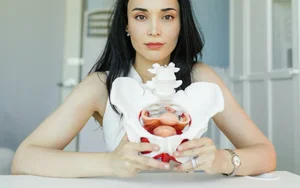
The belief that vaginal intercourse can permanently “loosen” the vagina is one of the most persistent myths in women’s health. Despite having no scientific basis, it continues to circulate widely, often leaving women feeling anxious, self-conscious, or worried that something is wrong with their bodies.
This misconception isn’t just incorrect; it’s also harmful. It oversimplifies female anatomy, ignores how muscles actually function, and places unnecessary blame on women for normal bodily experiences. To truly understand why this myth persists, and why it’s wrong, we need to look at how the vagina and pelvic floor are designed to work.
⭐Key Takeaways
Vaginal intercourse does not permanently loosen the vagina.
The vagina is a dynamic, muscular structure built to stretch and recoil.
Changes in sensation are usually related to muscle coordination, hormones, or nervous system factors.
Both excessive tension and reduced muscle function can affect sexual sensation.
Pelvic floor physiotherapy focuses on restoring normal function, not enforcing arbitrary ideas of “tightness.”
🎥Watch: Does Sex Loosen the Vagina? Pelvic Floor Function Explained
This video explains why intercourse does not cause permanent vaginal looseness, how pelvic floor muscles control tone and sensation, and how pelvic floor physiotherapy supports normal function.
Where the Myth Comes From
The idea that sex changes the vagina permanently is deeply rooted in cultural narratives rather than anatomy. For generations, women’s bodies have been described as something that can be “used up” or altered irreversibly through sexual activity. These beliefs are often reinforced through misinformation, social stigma, and a lack of accurate education about female anatomy.
Another reason this myth persists is the confusion between changes that can occur after childbirth and those attributed to sexual activity. Because both involve the vaginal canal, they are often inaccurately grouped together, despite being physiologically very different experiences.
How the Vagina Is Designed to Function
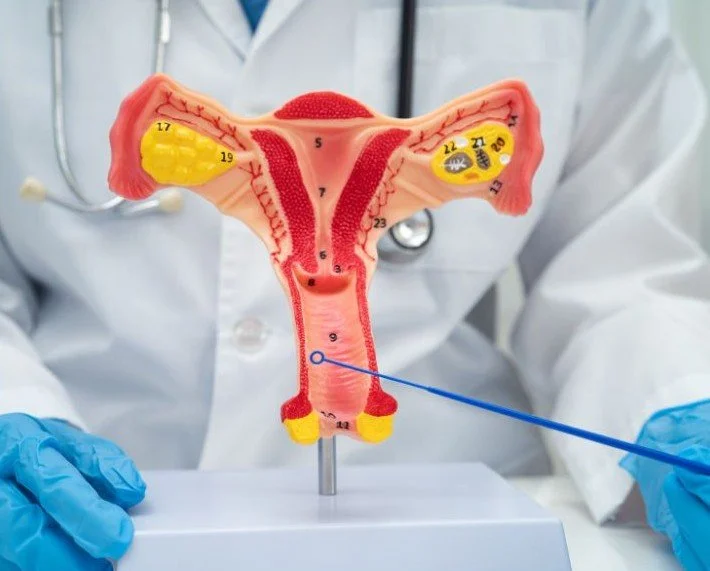
The vagina is not a hollow tube that stretches indefinitely. It is a muscular, elastic canal made of layered tissue that is specifically designed to expand and return to its resting state. This ability to adapt is essential for sexual activity, tampon use, pelvic exams, and childbirth.
The vaginal walls contain folds, known as rugae, which allow for expansion without loss of structure. Surrounding and supporting the vaginal canal are the pelvic floor muscles, which actively contribute to tone, sensation, and control. These muscles are responsive, meaning they lengthen, contract, and relax depending on the task at hand.
Intercourse involves the temporary lengthening and widening of the vaginal canal. Once penetration ends, the tissues return to their baseline state. This is normal muscle behaviour, not damage or overstretching.
Elasticity Does Not Mean Weakness
A major misunderstanding underlying this myth is the confusion between elasticity and weakness. Muscles are meant to be flexible. They lengthen and shorten constantly throughout the day. Stretching during use does not equate to permanent change.
For a muscle to lose function permanently, there must be injury, nerve disruption, significant hormonal change, or structural trauma. Sexual intercourse does not cause any of these. The forces involved in intercourse are entirely within what the vaginal tissues and pelvic floor are designed to handle.
Why Some Women Notice Changes in Sensation
While intercourse does not loosen the vagina, some women do notice changes in how sex feels over time. These experiences are real, but the explanation is usually more complex than the myth suggests.
In many cases, changes in sensation are related to pelvic floor muscle coordination. Muscles may not be engaging optimally, may fatigue more easily, or may struggle to contract and relax efficiently. This is a neuromuscular issue rather than a structural one.
In other cases, the pelvic floor may actually be too tense. Chronic tension can limit blood flow, reduce muscle responsiveness, and interfere with arousal. Paradoxically, overly tight muscles can reduce sensation and pleasure, even though they are often assumed to be “strong.”
Hormonal changes also play a significant role. Estrogen supports vaginal tissue health, elasticity, and lubrication. Life stages such as postpartum recovery, perimenopause, menopause, or the use of certain hormonal contraceptives can influence tissue sensitivity and sexual response. These changes are often misinterpreted as looseness when they are actually hormonal in nature.
Finally, the nervous system plays a crucial role. Sexual sensation depends on arousal, safety, and relaxation. Stress, fatigue, anxiety, and fear can all blunt sensation without any physical change to the vagina itself.

Intercourse Is Not the Same as Childbirth
One of the most important distinctions to make is between sexual activity and childbirth. Vaginal delivery places unique demands on the pelvic floor, including prolonged stretching, increased load, and potential nerve involvement. Even then, many women recover pelvic floor function with time and appropriate rehabilitation.
Intercourse does not create the same degree of strain, duration, or tissue stress. Conflating the two leads to unnecessary fear and misunderstanding.
The Pelvic Floor’s Role in Sexual Function
The pelvic floor muscles play an active role in sexual function. They contribute to vaginal tone, sexual sensation, orgasmic response, and comfort during penetration. Healthy pelvic floor function is not about being constantly tight. It requires a balance of strength, relaxation, and coordination.
When this balance is disrupted, sensation can change. Importantly, strengthening alone is not always the solution. In some cases, learning how to relax and coordinate the muscles is far more beneficial than doing more contractions.
Why “Just Do Kegels” Isn’t Enough
Many women are told to perform Kegel exercises when they express concerns about vaginal tone or sexual sensation. While Kegels can be helpful in certain contexts, they are not universally appropriate.
Without proper assessment, strengthening exercises can worsen tension, increase discomfort, or reinforce dysfunctional muscle patterns. Pelvic floor function is nuanced, and effective care starts with understanding what the muscles are actually doing.
How Pelvic Floor Physiotherapy Helps
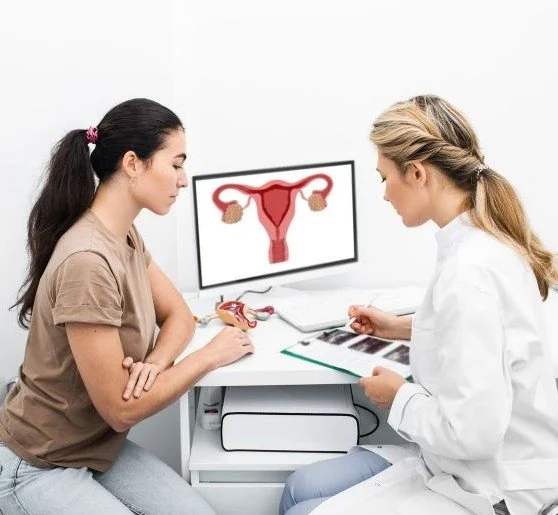
Pelvic floor physiotherapy focuses on restoring normal muscle function rather than chasing an idea of tightness or looseness. Assessment looks at muscle tone, coordination, relaxation ability, endurance, and how the pelvic floor responds during functional tasks.
Treatment may include education, relaxation techniques, coordination training, strengthening when appropriate, breathing strategies, and nervous system regulation. The goal is to support comfort, confidence, and normal sexual function.
When Biofeedback Is Used
In some cases, biofeedback is used as part of assessment and treatment. It allows both the clinician and the patient to see how the pelvic floor muscles are behaving in real time. This can be especially helpful when sensations don’t match muscle activity or when coordination issues are difficult to perceive.
Biofeedback is used to guide understanding and progress, not as a passive treatment.
❓FAQs About Does Intercourse Loosen the Vagina?
-
No. Intercourse does not permanently loosen the vagina. The vagina is a muscular, elastic structure designed to stretch during penetration and return to its resting state afterward. Permanent changes require injury, nerve damage, or significant hormonal shifts, not sexual activity.
-
No. Frequent sexual intercourse does not change vaginal size or width. Any sensation of change is usually related to pelvic floor muscle coordination, arousal, or hormonal factors rather than structural alteration.
-
Feeling looser after sex is typically due to temporary muscle relaxation, pelvic floor fatigue, hormonal influences, or nervous system state. This sensation reflects normal physiological changes during arousal and relaxation, not permanent anatomical change.
-
Not always. Many women who report reduced vaginal sensation actually have pelvic floor muscle tension rather than weakness. Overactive or tight pelvic floor muscles can interfere with sensation, coordination, and sexual response.
-
Yes. Pelvic floor tension can reduce blood flow, limit muscle responsiveness, and interfere with arousal and orgasm. Chronic tension may decrease sensation even when muscles are strong.
-
While childbirth can temporarily affect pelvic floor muscles and connective tissue, permanent vaginal looseness is not inevitable. With appropriate recovery and pelvic floor rehabilitation, function and sensation often improve significantly.
-
No. Kegel exercises are not appropriate for everyone. Some women require pelvic floor relaxation or coordination training rather than strengthening. Performing Kegels without assessment can worsen symptoms in cases of muscle tension.
-
Hormones, particularly estrogen, influence vaginal tissue elasticity, lubrication, blood flow, and sensitivity. Changes during postpartum recovery, perimenopause, menopause, or hormonal contraception can affect sensation without changing vaginal structure.
-
Yes. Sexual sensation is closely linked to the nervous system. Stress, anxiety, fear, and fatigue can reduce arousal and sensation even when pelvic floor muscles and vaginal tissue are healthy.
-
Pelvic floor physiotherapy assesses muscle tone, coordination, relaxation ability, endurance, nervous system involvement, and hormonal or life-stage factors. Treatment is individualized based on these findings rather than assumptions about strength or looseness.
-
You should seek pelvic floor physiotherapy if you experience changes in sexual sensation, pain with intercourse, difficulty relaxing pelvic floor muscles, postpartum or menopausal changes, or uncertainty about pelvic floor exercises.
Why Choose Ova Women’s Health in Burnaby, BC?
Concerns about vaginal tightness, looseness, or sexual sensation are often dismissed or minimized, leaving many women unsure where to turn or questioning their own bodies. At Ova, we take sexual health concerns seriously and approach them with clinical precision, education, and respect.

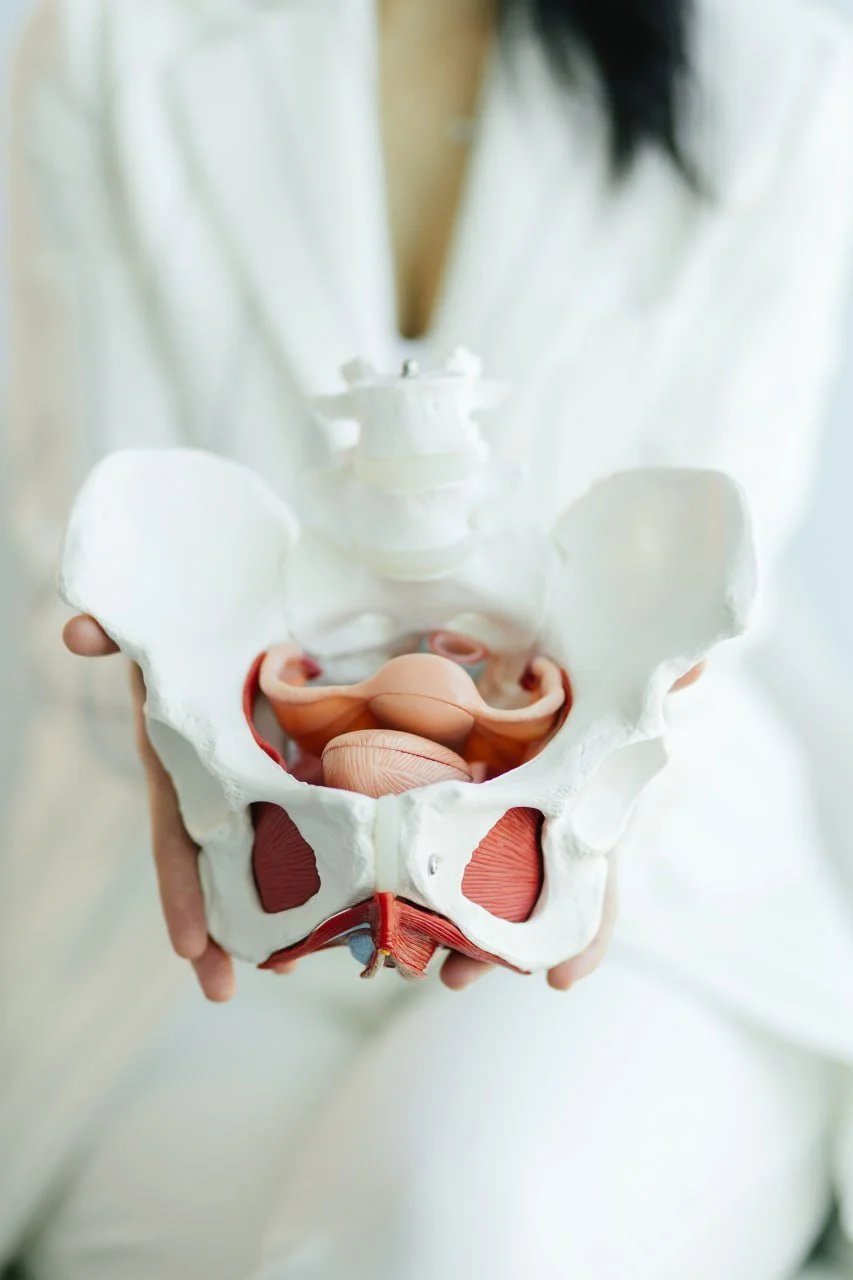
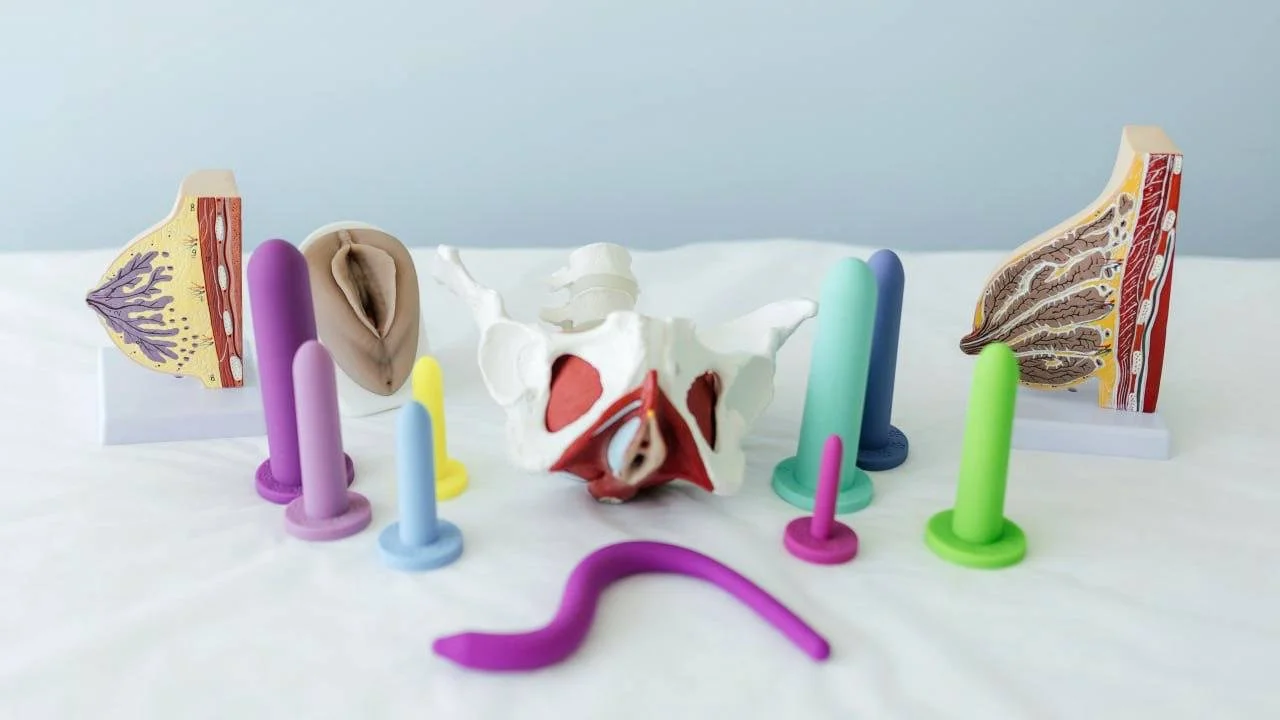

At Ova, we specialize in pelvic floor function across all life stages, including concerns related to sexual function, pelvic floor coordination, and vaginal sensation. Our care is grounded in advanced clinical training, global education, and extensive experience treating complex pelvic and sexual health conditions.
What makes Ova different:
✅ Advanced expertise in pelvic floor and sexual health
Sexual function involves muscles, nerves, hormones, and the nervous system. We assess the full picture rather than reducing concerns to simplistic explanations.
✅ Education-based care grounded in anatomy and physiology
Understanding how the vagina and pelvic floor actually work helps dismantle myths and empowers women to make informed decisions about their bodies.
✅ Specialized biofeedback assessment with detailed clinical reporting
When appropriate, we use pelvic floor biofeedback to objectively assess muscle activity, relaxation ability, coordination, and response during functional tasks. Following assessment, we provide detailed clinical reports outlining findings, explaining how they relate to symptoms, and guiding individualized treatment plans.
✅ Individualized treatment, not generic exercises
Care may include relaxation training, coordination work, strengthening when appropriate, nervous system regulation, and education tailored to your presentation.
✅ Compassionate, private, and unhurried care
Sexual health concerns are personal. Appointments are private, respectful, and focused entirely on your comfort and understanding.
✅ Trusted by women across Burnaby, Vancouver, & the Lower Mainland
Women seek out Ova for expert pelvic floor physiotherapy when sexual health concerns affect confidence, comfort, or quality of life.
Ready to Begin?
Don’t wait. The sooner we start, the sooner you can feel stronger and more supported. Space is limited due to high demand, but if you’re ready to take the first step toward lasting pelvic health, we’re here to help.
📌Related Blogs on Our Website
➡️Relieving Vulvodynia: A Journey From Pain to Pleasure
➡️Painful Intercourse: A Comprehensive Guide
➡️Stress and Pelvic Floor Tension
➡️Vaginal Dilators: A Key Tool in Pelvic Floor Physiotherapy