Pelvic health is a critical component of overall well-being, often overlooked until problems arise. Whether you’re experiencing symptoms or not, visiting a pelvic floor physiotherapist can be an important step in maintaining your health.
This blog will explore when women should consider seeing a pelvic floor physiotherapist, the symptoms to watch for, and why an annual pelvic health check-up is essential.
🎥 Watch: Benefits of Pelvic Floor Physiotherapy: What Every Woman Should Know
Pelvic floor physiotherapy benefits women at every life stage, not just postpartum. This video from our pelvic floor physiotherapy team in Burnaby covers the key symptoms of pelvic floor dysfunction, the five life moments when a pelvic health assessment is most valuable, and how annual check-ups can prevent urinary incontinence, pelvic organ prolapse, and chronic pelvic pain before they become serious.
Understanding Pelvic Health
The pelvic floor is a group of muscles that support the bladder, uterus, and rectum among other functions. These muscles play a crucial role in urinary control, bowel function, sexual health, and overall stability. Maintaining a healthy pelvic floor is essential for women of all ages, not just those who are pregnant or postpartum.
When Should You See a Pelvic Floor Physiotherapist?
Pelvic floor physiotherapy isn’t just for women experiencing problems—it’s a proactive approach to maintaining health. Here are some key times and reasons to consider seeing a pelvic floor physiotherapist:
After a Major Life Change: Significant changes in your body, such as weight gain, menopause, or surgery, can impact your pelvic floor. A physiotherapist can provide guidance on maintaining strength and function during these transitions.
Post-Surgery Recovery: If you've undergone abdominal or pelvic surgery, including a hysterectomy, pelvic floor physiotherapy can aid in recovery, reduce pain, and improve function.
Age-Related Changes: As women age, changes in hormone levels can affect pelvic floor muscle tone and function. Regular check-ups can help manage these changes, prevent incontinence, prolapse, or pelvic pain and maintain sexual health.
To Improve Sexual Health: Pain during intercourse, reduced sensation, or other sexual health concerns can often be addressed with pelvic floor physiotherapy.
Proactive Health Maintenance: Even without symptoms, an annual check-up with a pelvic floor physiotherapist can help ensure your pelvic muscles are functioning well. It’s a preventative measure, much like visiting a dentist or general practitioner.
What Are the Symptoms That Indicate You Should See a Pelvic Floor Physiotherapist?
If you experience any of the following symptoms, it’s time to schedule an appointment with a pelvic floor physiotherapist:
Urinary Incontinence: Leaking urine during activities like coughing, sneezing, or exercising is a common sign of pelvic floor dysfunction.
Pelvic Pain: Pain in the pelvic region, lower back, or hips can indicate pelvic floor muscle tightness or dysfunction.
Bowel Issues: Difficulty controlling bowel movements or experiencing constipation may be related to pelvic floor issues.
Painful Intercourse: Pain during or after intercourse is a common issue that can often be addressed through pelvic floor physiotherapy.
Frequent Urination: A constant urge to urinate, even when the bladder isn’t full, could indicate pelvic floor problems.
Feeling of Heaviness or Pressure: A sensation of pressure or heaviness in the pelvic area might suggest pelvic organ prolapse, where the pelvic organs shift out of place.
The Importance of Annual Check-Ups for Pelvic Health
Just like any other part of your body, your pelvic floor benefits from regular check-ups. An annual visit to a pelvic floor physiotherapist can:
Detect Early Signs of Dysfunction: Catching issues early can prevent them from becoming more severe.
Provide Personalized Advice: A physiotherapist can offer tailored exercises and strategies to maintain pelvic health based on your unique needs.
Enhance Quality of Life: Addressing potential pelvic health issues can lead to better bladder and bowel control, reduced pain, and improved sexual function.
Why Choose Ova in Burnaby, BC?
At Ova, we’re not just pelvic floor physiotherapists. We are international experts in women’s pelvic health and complex pelvic pain conditions.

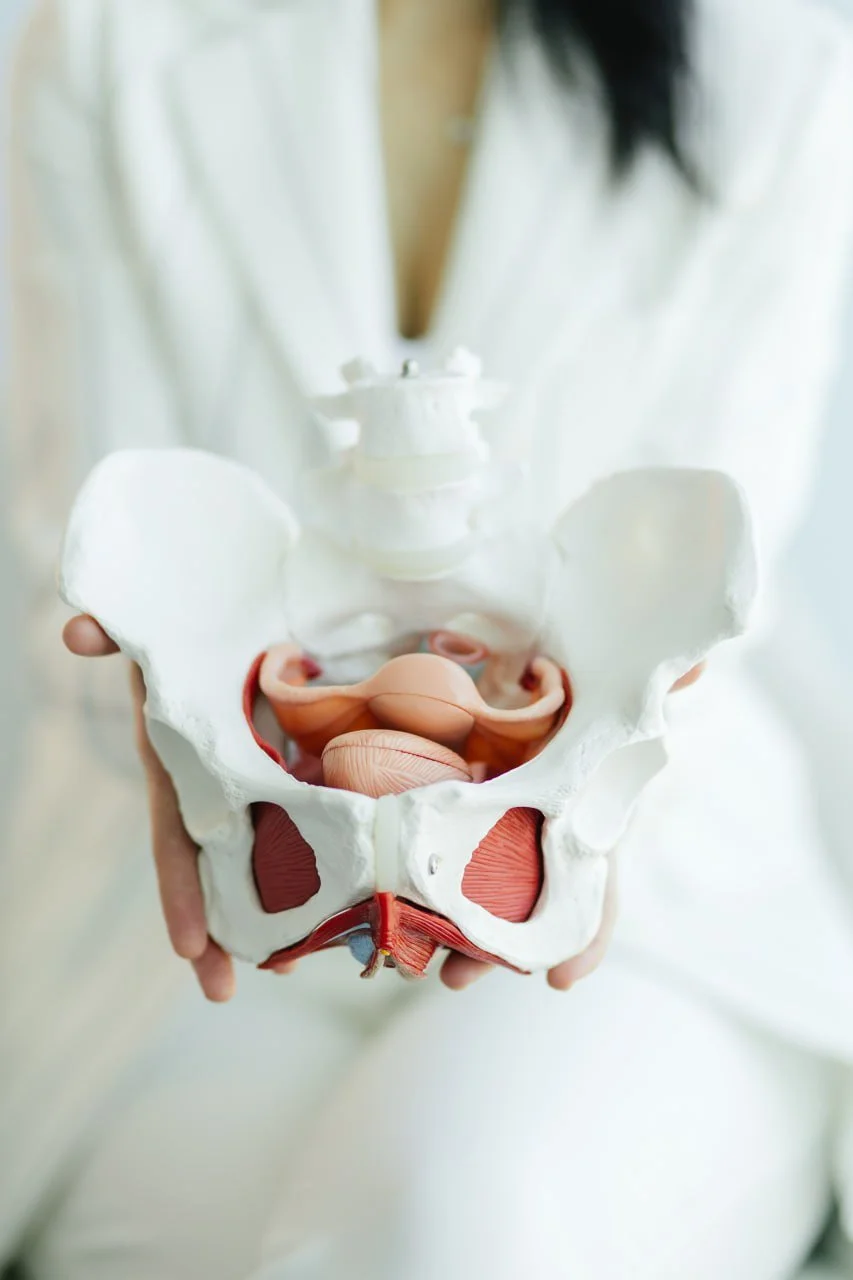


We believe every woman deserves to feel strong, confident, and supported in her body—at every stage of life. Whether you are pregnant, postpartum, navigating menopause, or simply taking a proactive step toward better pelvic health, our approach is tailored to you.
With advanced global training and over 2,000 successfully treated complex pelvic pain and dysfunction cases, our team provides personalized, evidence-based care designed to restore strength, balance, and comfort.
Our Burnaby clinic is trusted by women across Vancouver and the Lower Mainland who value education, compassion, and lasting results in their pelvic health journey.
Ready to Begin?
Don’t wait. The sooner we start, the sooner you can feel stronger and more supported. Space is limited due to high demand, but if you’re ready to take the first step toward lasting pelvic health, we’re here to help.
❓FAQs About Pelvic Floor Physiotherapy
-
No. Pelvic floor physiotherapy is not only for those experiencing pain or dysfunction. It’s also a proactive and preventative way to maintain pelvic health, similar to an annual check-up with your dentist or family doctor.
-
Your appointment begins with a detailed discussion about your health, lifestyle, and goals. The physiotherapist will assess posture, breathing, and pelvic muscle coordination to identify any imbalance or weakness. Every step is explained, and you’re always in control of what’s done during your session.
-
We recommend an annual pelvic health assessment. Regular visits help detect early signs of tension, weakness, or prolapse before symptoms appear and support lifelong pelvic wellness.
-
Yes. Many sexual health concerns, such as pain during intercourse, reduced sensation, or tension in the pelvic muscles, can be addressed through pelvic floor physiotherapy. It helps restore comfort, confidence, and connection in intimacy.
-
No. While it’s very beneficial after childbirth, pelvic floor physiotherapy supports women at all stages—through hormonal changes, surgery recovery, menopause, and beyond.
-
Common signs include urinary leakage, pelvic or lower back pain, constipation, painful sex, or a feeling of heaviness or pressure in the pelvis. If you experience any of these, a pelvic floor assessment can help identify and treat the cause.
-
No. Sessions are gentle and guided by your comfort. The goal is to help your body relax and function properly again without pain or pressure.
-
Results vary depending on your condition and consistency with treatment. Many women begin noticing improvements within a few sessions.
-
No referral is needed to see a pelvic floor physiotherapist. You can book directly through our online booking system and be seen quickly for care.
-
Yes. Regular pelvic floor check-ups can prevent issues like incontinence, prolapse, or chronic pelvic pain from developing later in life. Prevention is always easier and more effective than treatment.