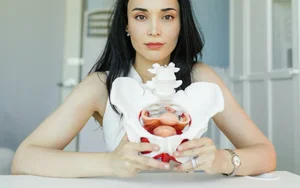
Vaginal dryness is a common and often under-discussed concern affecting women at different stages of life. It can cause discomfort, irritation, and pain during intimacy and may even contribute to recurrent urinary or vulvar symptoms.
Although vaginal dryness is most common during perimenopause and postmenopause, it can also occur after childbirth, while breastfeeding, or due to medical treatments or medications. The good news is that there are effective solutions, including pelvic floor physiotherapy, that can restore comfort, lubrication, and confidence.
⭐ Key Takeaways
Vaginal dryness is commonly caused by reduced estrogen levels, especially during and after menopause.
Symptoms include itching, burning, pain with intercourse, vulvar irritation, and recurrent urinary symptoms.
Pelvic floor physiotherapy improves blood flow, muscle function, lubrication, and sexual comfort.
Moisturizers, lubricants, and hormonal treatments can complement physiotherapy for optimal results.
Early assessment can prevent worsening dryness, discomfort, and recurrent irritation.
🎥 Watch: Vaginal Dryness: Causes, Symptoms & How Physio Helps
Vaginal dryness affects women at every stage of life, from postpartum and breastfeeding to perimenopause and menopause, and is one of the most under-treated causes of painful intercourse, vulvar irritation, and recurrent infections. In this video, our team at Ova Women's Health in Burnaby, BC, explains why vaginal dryness happens, how tight pelvic floor muscles make it worse, and how pelvic floor physiotherapy restores natural lubrication, reduces pain, and brings back comfortable intimacy.
Understanding Vaginal Dryness

Vaginal dryness occurs when the vaginal tissues lose moisture, elasticity, and natural lubrication. This happens primarily due to low estrogen, a hormone responsible for keeping vulvovaginal tissues healthy, hydrated, and resilient.
Common causes of low estrogen include:
Menopause and perimenopause
Breastfeeding and postpartum hormonal shifts
Certain medications (e.g., anti-estrogen medications, antihistamines)
Chemotherapy, radiation, and cancer treatments
Hormonal contraceptives in some women
Stress or inadequate arousal before intercourse
Symptoms of Vaginal Dryness
Women may experience one or more of the following:
Vaginal itchiness or irritation
Burning sensations
Pain during intercourse (dyspareunia)
Increased susceptibility to urinary or vaginal infections
General dryness and discomfort in the vulvovaginal area
Irritation when wearing underwear or tight clothing
Microtears or spotting after intercourse
Vulvar dryness is also common, since reduced estrogen affects both the internal and external tissues.
These symptoms can significantly impact daily comfort, intimacy, confidence, and emotional well-being.
How is Vaginal Dryness treated?
1. Moisturizers & Lubricants
These are often the first line of relief:
Vaginal Moisturizers
Inserted internally
Improve moisture retention
Used regularly (every 2–3 days)
Vulvar Moisturizers
Applied externally to the labia and vulvar skin
Reduce itching, dryness, and irritation
Lubricants
Used during intercourse to reduce friction and pain.
(Women should use lubricants IN ADDITION to moisturizers.)
2. Hormonal Treatments
When dryness is due to menopause or low estrogen, a physician may recommend:
Topical estrogen creams
Vaginal estrogen tablets
Vaginal estrogen rings
These local treatments help restore tissue thickness, moisture, and elasticity with minimal systemic absorption. Always discuss with your doctor or gynecologist to determine the best option.

3. Pelvic Floor Physiotherapy
(One of the Most Effective Conservative Treatments)
Pelvic floor physiotherapy focuses on the muscles, nerves, and circulation within the pelvic region to support lubrication, reduce pain, and improve function.
How It Helps:
✅ Improves Blood Flow
Enhanced circulation stimulates the glands responsible for natural lubrication and tissue hydration.
✅ Reduces Pelvic Muscle Tension
Many women with dryness develop tension around the vaginal entrance, contributing to burning, stinging, or painful penetration.
Manual therapy and relaxation techniques help improve flexibility and comfort.
✅ Strengthens & Coordinates Pelvic Floor Muscles
A healthy pelvic floor supports sexual arousal, orgasm, and vaginal lubrication.
✅ Restores Sexual Comfort
By addressing muscle tension, dryness-related pain, and fear-avoidance patterns, pelvic floor therapy supports pleasurable, comfortable intimacy.
✅ Non-Invasive & Safe
Pelvic floor physiotherapy is drug-free, personalized, and tailored to your unique symptoms and body.
❓FAQs About Vaginal Dryness
-
Breastfeeding, stress, certain medications, postpartum hormonal shifts, antihistamines, anti-depressants, and cancer treatments can all reduce lubrication.
-
Yes. Tight pelvic floor muscles can restrict blood flow and contribute to dryness, burning, and pain.
-
Not always, but dryness can increase the risk of irritation and infections. A proper assessment can help differentiate the cause.
-
Lubricants help during intercourse but do not treat underlying tissue dryness. Moisturizers, hormones, or physiotherapy may still be needed.
-
No. A skilled pelvic health physiotherapist works gently, with your comfort as the priority.
Why Choose Ova Women’s Health in Burnaby, BC?
Vaginal dryness is often brushed off as “normal” or “just part of aging,” leaving many women feeling unheard, unsupported, or unsure where to turn. At Ova, we know better. Vaginal dryness is a real condition with real solutions, and you deserve expert, compassionate care that looks at the whole picture, not just the symptoms.

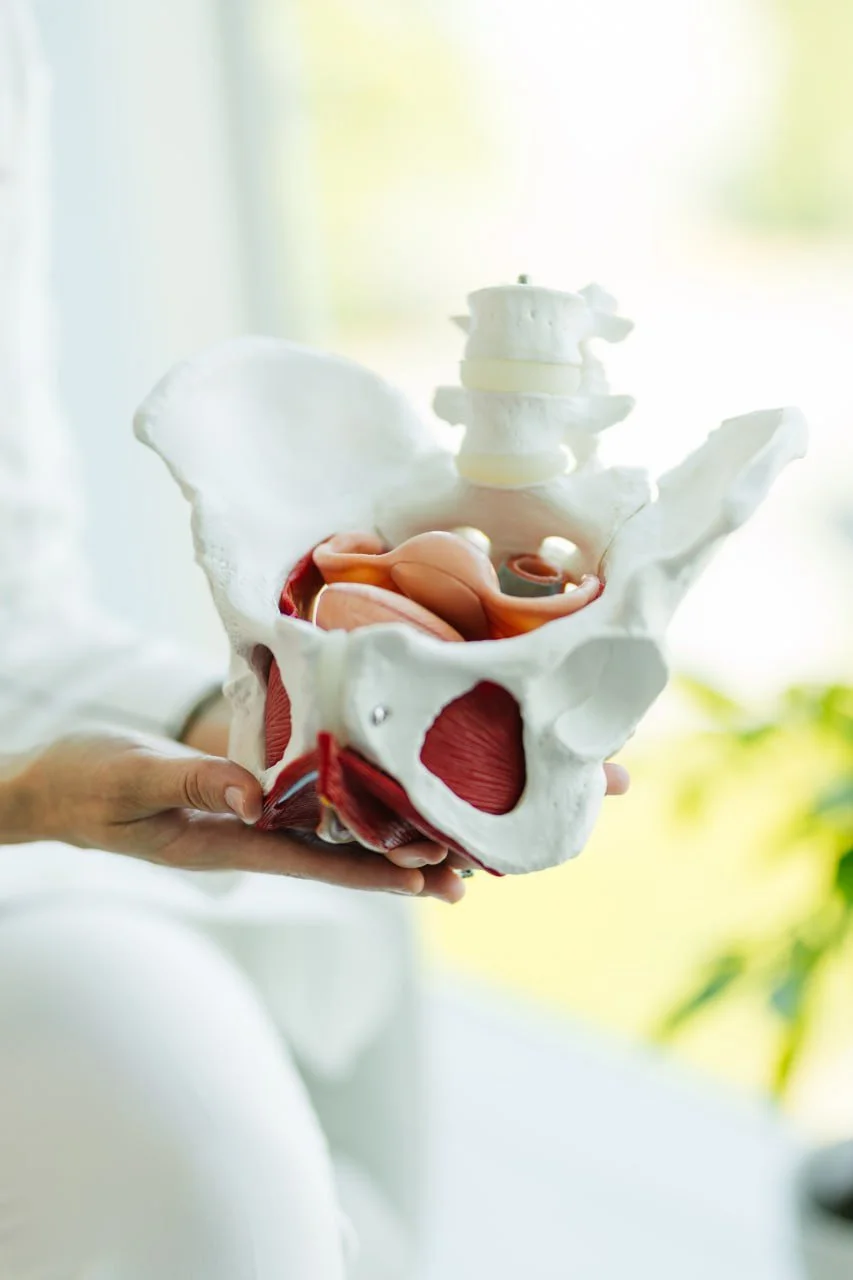

At Ova Women’s Health Physiotherapy in Burnaby, we specialize in helping women navigate the physical and emotional changes that come with menopause, postpartum recovery, hormonal shifts, or medical treatments that affect vaginal tissue health. Our approach is grounded in science, guided by global training, and refined through years of treating complex pelvic and sexual health conditions.
Here’s what makes Ova different:
✔ Advanced training in menopause-related pelvic health
We treat thousands of women dealing with dryness, burning, painful sex, vulvar irritation, and pelvic floor dysfunction related to hormonal changes. Our in-depth assessment helps identify all contributing factors from muscle tension to blood flow, lubrication, and tissue sensitivity.
✔ Gentle, evidence-informed pelvic floor physiotherapy
We offer non-invasive therapies such as targeted pelvic floor exercises, soft-tissue release, biofeedback, and blood flow enhancing techniques to reduce dryness-related discomfort and improve natural lubrication.
✔ A whole-body, whole-woman approach
Vaginal dryness rarely exists in isolation. We look at sleep, stress, posture, muscle tone, nervous system patterns, sexual habits, and hygiene routines to build a treatment plan that actually works.
✔ Guidance on moisturizers, lubricants, and vulvar hygiene
You don’t just get treatment, you get education. We help you choose safe, effective products and routines tailored to your body so you can reduce irritation, enhance comfort, and prevent flare-ups.
✔ A safe, private environment where you feel heard
At Ova, you’re never rushed and never dismissed. We provide care with warmth, dignity, and professionalism, ensuring you feel supported and respected every step of the way.
✔ Trusted by women across Burnaby, Vancouver, & the Lower Mainland
Women travel to Ova because they know they will receive specialized pelvic health care that combines clinical excellence with genuine compassion. Whether you’re struggling with dryness, painful intercourse, hormonal changes, or pelvic discomfort, our personalized treatment plans help restore comfort, pleasure, and confidence.
Ready to Begin?
Don’t wait. The sooner we start, the sooner you can feel stronger and more supported. Space is limited due to high demand, but if you’re ready to take the first step toward lasting pelvic health, we’re here to help.
📌Related Blogs on Our Website
➡️Restoring Bladder Control: Treatment of Urinary Urgency and Frequency
➡️Vaginismus and the Path to Pain-Free Intimacy
➡️Painful Orgasm: Understanding Dysorgasm