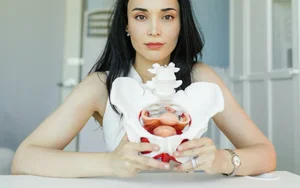
Perineal Scar Rehabilitation: The Role of Pelvic Floor Physiotherapy
Perineal scars are common after childbirth, especially following tears or episiotomies, but many women are not told that ongoing pain, discomfort, or scar sensitivity is treatable. Perineal scarring can affect sexual comfort, bladder or bowel function, sitting tolerance, and overall quality of life. Fortunately, pelvic floor physiotherapy offers effective, evidence-informed techniques that help restore comfort, movement, and confidence.
This guide explains what perineal scar rehabilitation is, the symptoms to watch for, and how pelvic floor physiotherapy supports healing after childbirth or perineal trauma.
⭐Key Takeaways
Perineal scars from childbirth, episiotomy, or trauma can cause pain, tension, and pelvic floor dysfunction.
Early treatment leads to better outcomes, but scars can still improve months or even years later.
Pelvic floor physiotherapy uses soft-tissue mobilization, desensitization, muscle retraining, and biofeedback to restore comfort and function.
Rehabilitation can improve sexual comfort, bladder and bowel control, and postpartum recovery.
Perineal pain is not something women must live with; effective help is available.
🎥 Watch: Perineal Scar Rehabilitation — Why It Happens & How Physio Treats It
This video explains how perineal scar tissue from vaginal tears and episiotomies causes postpartum pain, dyspareunia, pelvic floor dysfunction, and sitting discomfort and how pelvic floor physiotherapy uses scar tissue mobilization, biofeedback, and muscle retraining to restore comfort and function after childbirth. Whether your scar is weeks or years old, pelvic floor physiotherapy in Burnaby can help you heal.
What is Perineal Scar Rehabilitation?

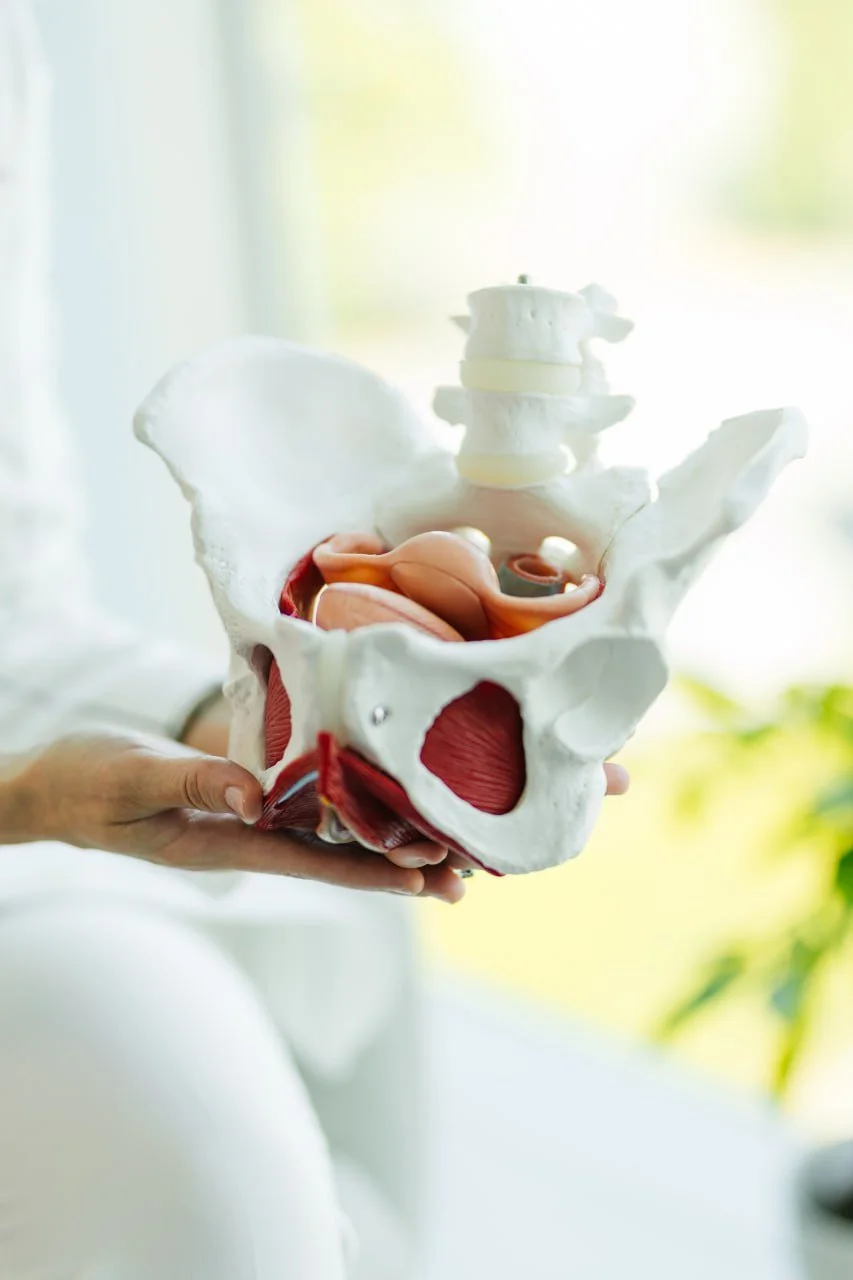
Perineal scar rehabilitation focuses on restoring comfort, mobility, and healthy tissue function in the perineal region (the area between the vagina and anus). Scars can form after childbirth, surgery, or trauma, and when left untreated, they may create tension, tenderness, or restricted mobility in the pelvic floor.
The goal of rehabilitation is to:
Reduce pain and sensitivity
Improve blood flow and tissue elasticity
Restore muscle coordination
Support sexual, bladder, and bowel function
What Causes Perineal Scars?
1. Childbirth
Most commonly, perineal scars come from:
Vaginal tears (first, second, third, or fourth degree)
Episiotomies performed during labour
2. Surgical Procedures
Procedures involving the pelvic region, such as abscess drainage, cyst removal, or prolapse surgery, can create scar tissue.
3. Trauma or Accidents
Injury to the pelvic region can damage the perineal tissues and lead to scarring.
What Are the Symptoms Associated with Perineal Scars?
Individuals with perineal scars might experience:
Pain during sexual activities (Dyspareunia).
Discomfort while sitting or during daily activities.
Sensitivity or numbness in the perineal region.
Issues with urinary or fecal incontinence.
Recognizing these symptoms early and consulting with a pelvic floor physiotherapist can significantly aid in recovery.
What Is the Role of Pelvic Floor Physiotherapy?
Pelvic floor physiotherapy is an effective treatment for managing perineal scars. This specialized form of physiotherapy focuses on the muscles, ligaments, and other tissues. Here’s how it can help:
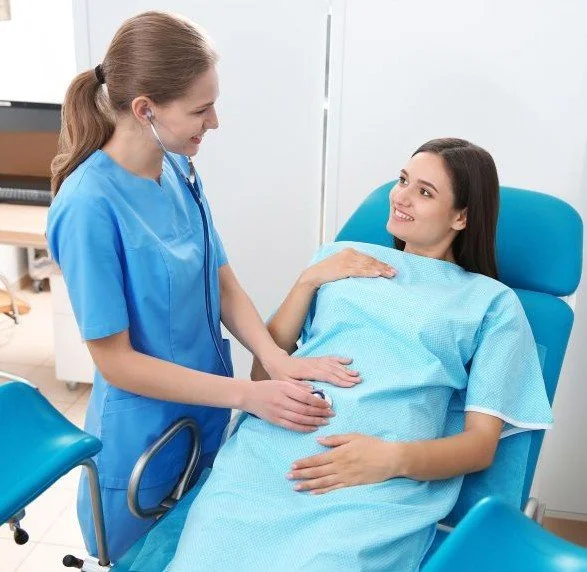
1. Scar Tissue Mobilization
Pelvic floor physiotherapists use gentle, targeted manual techniques to:
Reduce sensitivity
Increase the flexibility of the scar
Improve blood flow for healing
Break down adhesions that limit movement
These techniques can dramatically reduce pain with sexual activity, sitting, bowel movements, or exercise.
2. Muscle Strengthening and Relaxation
Scar tissue often alters how pelvic floor muscles behave. Some women experience overactivity (tightness), while others have weakness or poor coordination.
Physiotherapy helps retrain:
Relaxation of overactive pelvic muscles
Strengthening of weak areas
Balanced coordination for sexual, bladder, and bowel function
This improves comfort, continence, and pelvic stability.
3. Nervous System Desensitization
Perineal scars can become hypersensitive. Therapists use graded techniques to calm the area and retrain the nervous system, reducing pain signals and restoring comfort.
4. Biofeedback for Muscle Awareness
Biofeedback can help women:
Understand how their pelvic floor muscles are functioning
Learn to relax the tight muscles around the scar
Improve activation when weakness is present
This supports long-term recovery and better control.
5. Education & Lifestyle Adjustments
Understanding how daily movement affects the scar is essential. Your physiotherapist may guide you on:
Posture optimization
Strategies to reduce friction or irritation
Comfortable ways to return to intimacy
Techniques for pain-free bowel movements
Home exercises for tissue healing
Education empowers women and prevents future symptoms.
When to Seek Pelvic Floor Physiotherapy
You should consult a pelvic floor physiotherapist if you experience:
Pain at the scar site
Painful intercourse
Difficulty sitting comfortably
Persistent tenderness months postpartum
Feelings of pulling or restriction
Incontinence or bowel difficulty
Fear or anxiety around perineal touch
Even years after childbirth, perineal scars can improve; it is never too late to seek help.
❓FAQs About Perineal Scar Rehabilitation
-
Some discomfort is normal at first, but ongoing pain, especially during intercourse, bowel movements, or sitting, is not normal and should be treated.
-
We recommend scheduling your first visit six weeks after birth.
-
Yes. Scar tissue remains responsive to treatment long-term. Many women experience significant improvement even years after giving birth.
-
Treatment is gentle and tailored to your sensitivity level. Most women feel relief, not pain.
-
Yes. By reducing scar tension, improving tissue elasticity, and retraining pelvic floor muscles, physiotherapy is one of the most effective treatments for dyspareunia.
-
Yes. Desensitization and mobilization techniques help normalize sensation and reduce discomfort.
Why Choose Ova Women’s Health in Burnaby, BC?
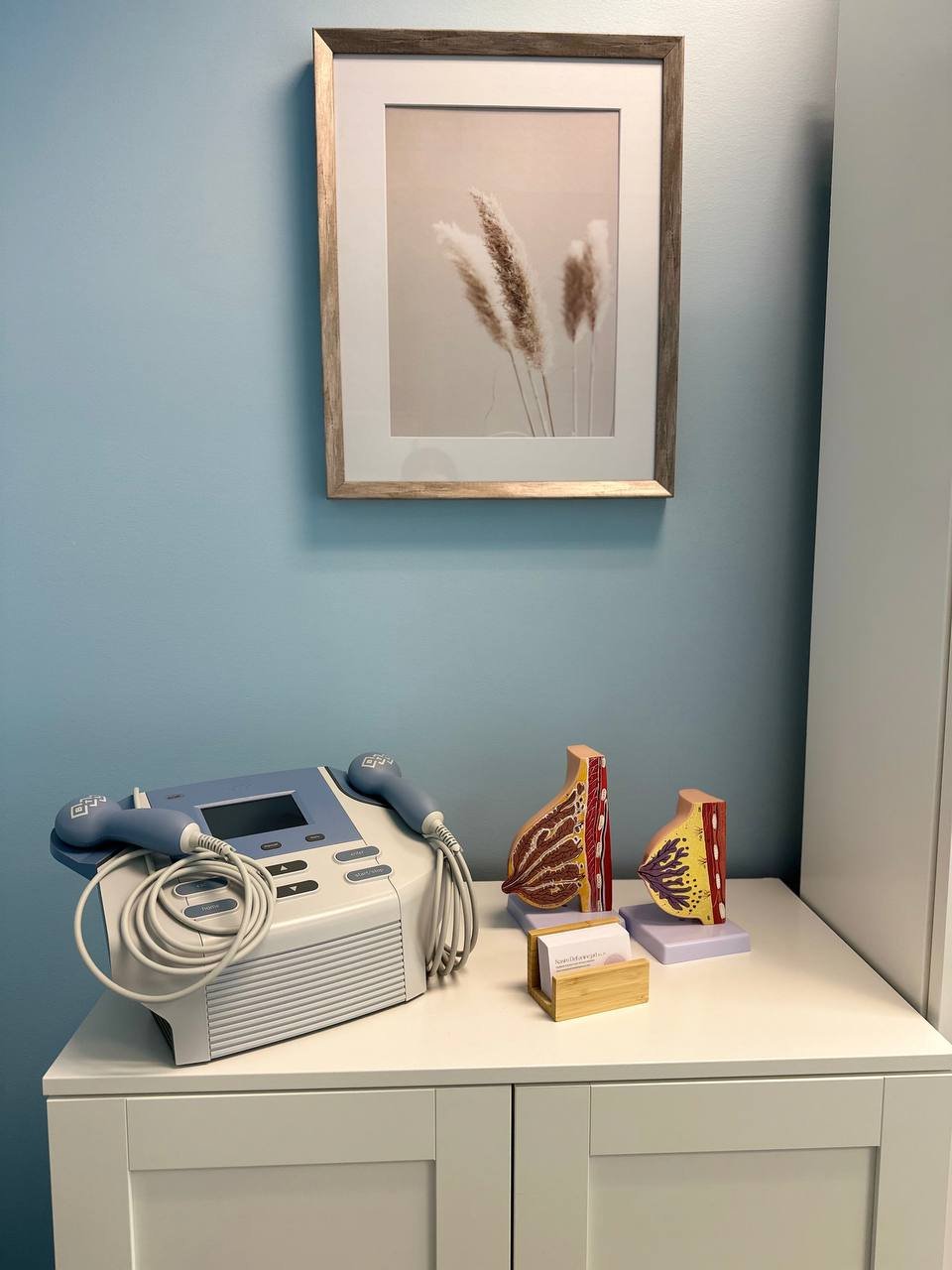
Perineal scars can have a profound impact on comfort, intimacy, and confidence, but with the right care, meaningful healing is possible. At Ova, we combine clinical expertise with compassionate, patient-centred treatment to help you reclaim comfort in your body.


Here’s what makes our approach different:
✅ Extensive experience treating postpartum scar pain and dysfunction
We specialize in working with scars related to tears, episiotomies, birth trauma, and postpartum healing.
✅ Gentle, evidence-informed manual therapy
Our techniques soften scar tissue, reduce pain, and restore healthy mobility.
✅ A whole-body, whole-woman approach
We look beyond the scar to understand posture, pelvic floor tension, nervous system patterns, and emotional impacts.
✅ Personalized treatment plans
Your body, birth story, and recovery goals are unique; your care should be, too.
✅ A supportive and private environment
You’re treated with dignity, professionalism, and empathy. No rushed appointments. No dismissal of symptoms.
✅ Trusted by women across Burnaby, Vancouver, & the Lower Mainland
Women seek us out specifically for specialized postpartum care that is hard to find elsewhere.
Ready to Begin?
Don’t wait. The sooner we start, the sooner you can feel stronger and more supported. Space is limited due to high demand, but if you’re ready to take the first step toward lasting pelvic health, we’re here to help.
📌Related Blogs on Our Website
➡️Ultrasound Therapy for Clogged Milk Ducts
➡️Understanding Diastasis Recti
➡️Bowel & Bladder Issues During Pregnancy and Postpartum
➡️Cesarean Birth Rehabilitation
➡️Pelvic Floor & Core Rehabilitation