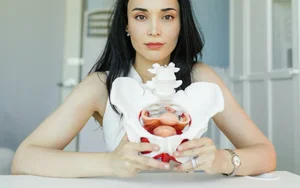
Vaginal Steaming and Pelvic Health: What Women Need to Know from a Pelvic Floor Physiotherapy Perspective
Vaginal steaming, also known as yoni steaming or V‑steaming, has re‑emerged as a popular wellness trend. Promoted through spas, social media, and celebrity endorsements, it is often framed as a natural ritual to cleanse the vagina, balance hormones, improve fertility, ease menstrual discomfort, or support postpartum healing.
While the idea may sound gentle or nurturing, vaginal steaming raises important questions when viewed through an evidence‑informed pelvic health lens. Before considering any practice that introduces heat or herbs to such sensitive tissues, it is essential to understand how the vagina and pelvic floor actually function, and whether vaginal steaming is effective or safe.
⭐Key Takeaways
Vaginal steaming is often marketed as a natural way to cleanse or heal the vagina, but these claims are not supported by scientific evidence.
The vagina is self‑cleaning and does not require steam, herbs, or internal cleansing practices.
Introducing heat and herbs to vulvar and vaginal tissues may increase the risk of burns, irritation, infection, and disruption of the vaginal microbiome.
Vaginal steaming may aggravate pelvic pain, bladder symptoms, or nerve sensitivity in some women.
Evidence‑based pelvic floor physiotherapy offers safer, assessment‑based alternatives for pelvic health concerns.
🎥Watch Vaginal Steaming: Is It Safe? Pelvic Health Risks Explained
This video explains how vaginal steaming may cause irritation, burns, and disruption of the vaginal microbiome, and why pelvic floor physiotherapy offers safer, evidence-based alternatives.
What Is Vaginal Steaming?
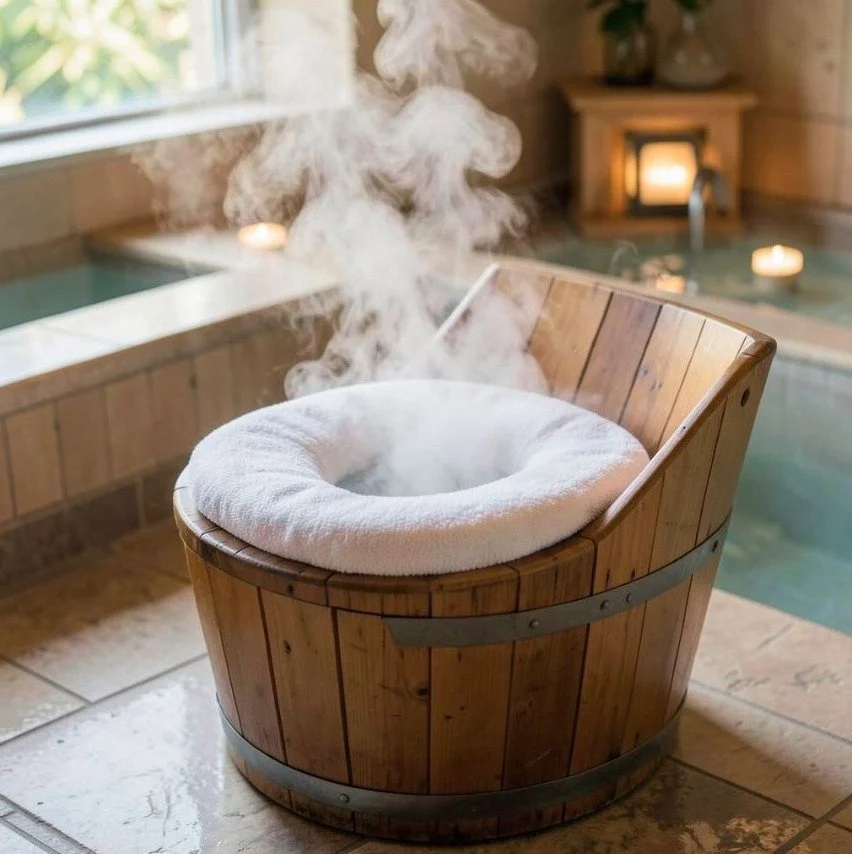
Vaginal steaming involves sitting over a pot of hot water or a specially designed steaming chair while herbal steam rises toward the vulva and vaginal opening. Commonly used herbs include mugwort, wormwood, oregano, basil, and other plant blends. Some women seek out vaginal steaming services at wellness spas, while others purchase home steaming kits.
The practice is often promoted as a way to detoxify the vagina, improve circulation, restore balance, or support reproductive health. Despite these claims, vaginal steaming has not been shown to provide measurable health benefits.
How the Vagina and Pelvic Floor Actually Work
The vagina is a muscular, elastic canal designed to maintain its own healthy environment. It is lined with tissue that supports a balanced microbiome and maintains an acidic pH to protect against infection. This self‑regulating system does not require cleansing, steaming, or herbal intervention.
Surrounding the vagina is the pelvic floor, a group of muscles that support the bladder, uterus, and bowel. These muscles play a role in continence, sexual function, posture, and pressure management. Healthy pelvic floor function depends on balance, including the ability to contract, fully relax, and coordinate with breathing and movement.
Is Vaginal Steaming Safe?
Although vaginal steaming may appear harmless, it carries several risks that are often overlooked. The most significant concern is burns. Vulvar and vaginal tissues are delicate and highly sensitive, and exposure to hot steam can cause thermal injury. There are documented cases of second‑degree burns associated with vaginal steaming.
Herbal steam may also irritate vulvar skin or vaginal tissue, leading to itching, redness, swelling, or discomfort. Heat and herbs can disrupt the natural vaginal microbiome, increasing the risk of infections such as bacterial vaginosis or yeast infections.
Irritation or micro‑injury to genital tissues may weaken the natural protective barrier, potentially increasing vulnerability to sexually transmitted infections.
Pelvic Floor and Nerve‑Related Considerations
Beyond vaginal tissue health, vaginal steaming may affect the pelvic floor and surrounding nerves. Heat and irritation can aggravate nerve endings in the vulva and pelvis, potentially triggering or worsening conditions such as vulvodynia, pudendal neuralgia, chronic pelvic pain, or bladder urgency.
Because the pelvic floor is closely connected to the nervous system, even mild inflammation can have broader effects on pelvic comfort and function.
Conditions Vaginal Steaming Is Commonly Promoted For and the Evidence‑Based Alternatives
Vaginal steaming is often marketed as beneficial for a range of pelvic and reproductive concerns. While these claims may sound intuitive, they do not align with how the pelvic floor, vaginal tissues, or reproductive systems actually function. Below is a closer look at the most common conditions vaginal steaming is promoted for, and what an evidence‑based pelvic floor approach looks like instead.
Menstrual Cramps and Pelvic Pain
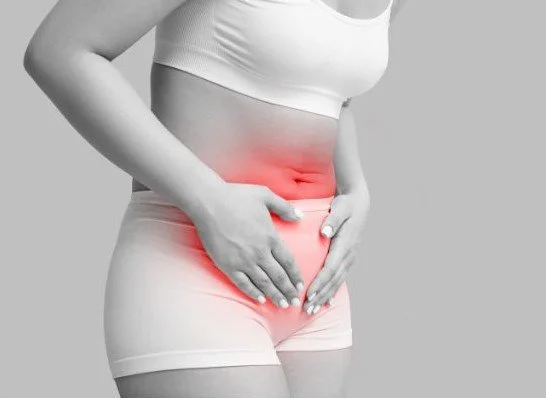
They promote: Vaginal steaming is frequently promoted as a way to reduce menstrual cramps by “increasing circulation,” relaxing the uterus, or helping menstrual blood flow more easily.
Fact: Menstrual pain is multifactorial and influenced by uterine contractions, prostaglandins, pelvic floor muscle tension, breathing patterns, posture, and nervous system sensitization. Introducing heat and herbs directly to the vulva does not address these mechanisms and may increase pelvic floor guarding.
Alternative: pelvic floor physiotherapy approach focuses on reducing pelvic floor muscle tension, improving coordination with breathing, addressing posture and movement patterns, and calming the nervous system. These strategies have documented benefits for managing dysmenorrhea and chronic pelvic pain without risking tissue irritation.
Fertility and Hormonal Balance
They promote: Some proponents claim vaginal steaming can improve fertility or balance hormones by “warming the womb,” increasing blood flow, or detoxifying reproductive organs.
Fact: There is no scientific evidence that vaginal steaming influences fertility or hormonal regulation. These processes are governed by complex endocrine and reproductive systems that cannot be altered through external stem exposure.
Alternative: When pelvic floor physiotherapy is involved in fertility‑related care, it focuses on optimizing pelvic muscle function, reducing pain or tension that may interfere with intercourse, and supporting pelvic comfort and function, without altering hormones or reproductive physiology.
Postpartum Healing

They promote: Vaginal steaming is sometimes recommended postpartum to cleanse the uterus, promote healing, or speed recovery after birth.
Fact: Postpartum tissues are particularly vulnerable. Exposure to heat or steam increases the risk of burns, delayed healing, infection, and tissue irritation.
Alternative: postpartum pelvic floor care prioritizes tissue healing, gradual return of muscle coordination, scar management when indicated, and support for bladder, bowel, and core recovery. Pelvic floor physiotherapy provides structured, individualized guidance that respects the physiology of postpartum healing.
Vaginal Tightening or Sexual Function
They promote: Vaginal steaming is often marketed as a way to tighten the vagina, increase sexual pleasure, or restore vaginal tone.
Fact: There is no evidence that steam exposure affects vaginal tone. Vaginal sensation and sexual function are influenced by pelvic floor muscle coordination, tissue health, arousal, lubrication, and nervous system regulation.
Alternative: Pelvic floor physiotherapy addresses sexual health concerns by assessing muscle tone, relaxation ability, coordination, and sensitivity, and by providing targeted education and treatment to improve comfort, confidence, and function.
Vaginal Cleansing or Detoxification
They promote: Perhaps the most persistent claim is that vaginal steaming cleanses, detoxifies, or purifies the vagina.
Fact: This directly contradicts established medical understanding. The vagina is self‑cleaning and maintains its own healthy microbiome. Practices aimed at internal cleansing, including steaming and douching, are associated with increased risk of infection and irritation.
Alternative: Evidence emphasizes preserving the natural vaginal environment rather than disrupting it. Pelvic floor physiotherapy supports vaginal and pelvic health by addressing muscle function, tissue sensitivity, and contributing lifestyle or biomechanical factors, not through internal cleansing practices.
What to Do Instead: Safer, Clinically Supported Options
For women seeking comfort or healing, there are safer, evidence‑informed options. Warm sitz baths can soothe tissues and improve circulation without the risks of steam. External heat, gentle movement, hydration, and breathing exercises may help ease menstrual discomfort.
For vaginal hygiene, less is more. The vagina cleans itself. Gentle external cleansing with warm water and an unscented cleanser is sufficient. Internal washing, douching, or steaming is unnecessary and potentially harmful.
❓FAQs About Vaginal Steaming
-
No. The vagina is self‑cleaning and does not require steaming, herbs, or detox practices. Vaginal steaming does not improve cleanliness and may disrupt the natural vaginal environment and microbiome.
-
There is no scientific evidence that vaginal steaming affects hormone balance or fertility. Hormonal regulation and fertility are governed by complex endocrine and reproductive systems that cannot be influenced by external steam.
-
Vaginal steaming is not recommended postpartum due to the increased risk of burns, delayed tissue healing, infection, and irritation during a time when tissues are especially vulnerable.
-
Yes. Heat and irritation from vaginal steaming may aggravate pelvic floor muscles, nerves, or surrounding tissues, potentially worsening pelvic pain, bladder urgency, or discomfort with urination.
-
Yes. Vaginal steaming may disrupt the natural balance of bacteria and pH in the vagina, increasing the risk of infections such as bacterial vaginosis or yeast infections.
-
No. Heating pads and sitz baths apply controlled, external warmth to surrounding tissues. Vaginal steaming exposes sensitive vulvar and vaginal tissues to uncontrolled heat and moisture, which increases the risk of burns and irritation.
-
There is no evidence that vaginal steaming improves vaginal lubrication. Dryness is more commonly related to hormonal changes, tissue health, arousal, or pelvic floor muscle tension, which require targeted assessment and care.
-
If you experience persistent pain, irritation, unusual discharge, odour, bladder symptoms, or sexual discomfort, seek assessment from a qualified healthcare provider or pelvic floor physiotherapist rather than attempting home remedies.
Final Thoughts
Vaginal steaming is often presented as a gentle, natural solution, but it carries risks and lacks evidence of benefit. When pelvic health concerns arise, assessment‑based, evidence‑informed care offers a safer and more effective path forward.
How Ova Supports Evidence‑Based Pelvic Health
When navigating wellness trends such as vaginal steaming, it can be difficult to know which practices are safe, helpful, or supported by evidence. This is where assessment‑based pelvic floor care becomes essential.
At Ova Women’s Health Physiotherapy in Burnaby, we focus on helping women make sense of pelvic health information through clinical evaluation, education, and individualized care. Rather than offering blanket advice or quick fixes, we assess how your pelvic floor, vaginal tissues, nervous system, and daily demands are actually interacting and tailor care accordingly across all life stages, including menstrual health, postpartum recovery, pelvic pain, and sexual health.

What makes Ova different:
✅ Advanced expertise in pelvic floor dysfunction
Pelvic floor concerns are rarely isolated to one tissue or system. We perform detailed assessments to understand muscle tone, coordination, relaxation ability, and how the pelvic floor interacts with breathing, posture, and daily movement, rather than offering generic recommendations.
✅ Education‑based care rooted in anatomy and physiology
We prioritize education so women understand how their pelvic floor and vaginal tissues function. This empowers informed decision‑making based on evidence, not wellness trends or myths.
✅ Specialized biofeedback assessment with detailed clinical reporting
When appropriate, we use pelvic floor biofeedback as part of a comprehensive assessment process. Biofeedback allows us to objectively evaluate muscle activity, relaxation, coordination, and response to functional tasks. Following assessment, we provide detailed clinical reports that explain findings, relate them to symptoms, and guide individualized treatment planning.
✅ Individualized treatment rather than one‑size‑fits‑all approaches
Treatment may include relaxation and down‑training strategies, coordination retraining, strengthening when appropriate, breathing techniques, tissue desensitization, and nervous system regulation. Care is always tailored to the individual rather than assuming weakness or prescribing generalized solutions.
✅ Compassionate, unhurried care in a supportive environment
Pelvic health concerns can be personal and emotionally complex. Appointments at Ova are private, unhurried, and focused on listening, understanding, and supporting meaningful, sustainable change.
✅ Trusted by women across Burnaby, Vancouver, and the Lower Mainland
Women seek out Ova for expert pelvic floor physiotherapy when symptoms affect comfort, confidence, or quality of life. Our reputation is built on clinical expertise, education, and care that respects women’s bodies and lived experiences.
Ready to Begin?
Don’t wait. The sooner we start, the sooner you can feel stronger and more supported. Space is limited due to high demand, but if you’re ready to take the first step toward lasting pelvic health, we’re here to help.
📌Related Blogs on Our Website
➡️Yoni Eggs and Pelvic Floor Health
➡️Painful Intercourse: A Comprehensive Guide
➡️Does Intercourse Loosen the Vagina?
➡️Vulva Cleansing: Safe Hygiene for Optimal Health
➡️Vaginal Dilators: A Key Tool in Pelvic Floor Physiotherapy