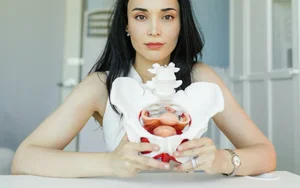
Biofeedback is a revolutionary tool in the world of pelvic floor physiotherapy, offering a non-invasive and highly effective approach to managing a wide range of pelvic health conditions. At Ova, we integrate biofeedback into our treatment plans to provide personalized care and optimize patient outcomes. In this blog, we will delve into what biofeedback is, how it works, and why it is an essential component in treating various pelvic floor disorders.
⭐ Key Takeaways: Biofeedback for Pelvic Floor Health
Biofeedback is a non-invasive tool that helps you see how your pelvic floor muscles are working through real-time visual feedback.
It effectively treats incontinence, pelvic pain, prolapse symptoms, postpartum weakness, vaginismus, dyspareunia, constipation, and overactive pelvic floor muscles.
By showing when your muscles are contracting or relaxing, biofeedback improves coordination, strength, and release, accelerating recovery.
Both internal and external biofeedback options exist, and your physiotherapist will determine which method is right for your condition and comfort.
Biofeedback improves outcomes when combined with manual therapy, nervous system regulation, and pelvic floor retraining.
At Ova Women’s Health, biofeedback is part of a personalized, data-driven treatment plan delivered by pelvic health physiotherapists with international training and extensive experience.
🎥 Watch: Biofeedback for Pelvic Floor Therapy. How It Works and What to Expect
What is Biofeedback?

Biofeedback is a therapeutic technique that uses electronic monitoring devices to help patients gain greater control over involuntary physiological functions, such as muscle activity.
In the context of pelvic floor physiotherapy, biofeedback typically involves the use of sensors placed externally on the perineum or internally in the vagina or rectum. These sensors detect muscle activity and provide real-time feedback on a screen, allowing patients to see and understand how their muscles are working.
How Does Biofeedback Work in Pelvic Floor Physiotherapy?
Biofeedback allows patients to become more aware of their pelvic floor muscles' function, which is crucial for improving muscle strength, coordination, and relaxation. By visualizing the muscle activity, patients can learn to control and optimize their pelvic floor performance. This method not only enhances the effectiveness of physiotherapy but also empowers patients by giving them direct insight into their body’s responses.
Conditions That Benefit from Biofeedback
Biofeedback is a versatile tool that can be used to manage and treat various pelvic floor conditions. Here's a deeper look at how biofeedback can help:
Stress Incontinence: Biofeedback helps strengthen the pelvic floor muscles, reducing urine leakage during activities like coughing, sneezing, or exercising.
Urge Incontinence: By improving muscle control, biofeedback can help manage the frequent and sudden urge to urinate, allowing patients more control over their bladder.
Chronic Pelvic Pain
Chronic pelvic pain may result from overactive or tense pelvic floor muscles or a lack of strength or coordination in these muscles. Biofeedback provides patients with the tools to recognize when these muscles are and teaches them techniques to improve coordination, and function and reduce pain.
Pelvic Organ Prolapse
Pelvic organ prolapse occurs when pelvic organs drop from their normal position due to weakened support muscles. Biofeedback assists in retraining and strengthening these muscles, providing better support for the organs and reducing prolapse symptoms.
Dyspareunia (Painful Intercourse)
Dyspareunia can be caused by involuntary muscle tightness or spasms in the pelvic floor. Biofeedback helps patients identify and relax these muscles, reducing pain during intercourse and improving sexual health.
Constipation and Bowel Disorders
Biofeedback can help those with constipation by retraining the pelvic floor muscles to coordinate better during bowel movements. This can reduce straining and make bowel movements more regular and less painful.
Pelvic Floor Dysfunction Post-Surgery
After pelvic surgeries, such as hysterectomy, patients may experience weakened pelvic floor muscles. Biofeedback can aid in the rehabilitation process, helping patients regain muscle strength and function.
What Are the Benefits of Pelvic Floor Biofeedback?
Improved control of pelvic muscles
Faster symptom improvement
Reduction in pelvic pain and tension
Better bladder and bowel function
Enhanced pelvic floor relaxation skills
Increased ability to coordinate muscles
Improved sexual comfort and function
Objective data to track progress
Better long-term outcomes when combined with physiotherapy
Clinical research consistently shows that biofeedback significantly improves results for incontinence, chronic pelvic pain, and hypertonic pelvic floor dysfunction.
Our Approach to Biofeedback
At Ova Clinic, we incorporate biofeedback into a comprehensive treatment plan tailored to each patient’s unique needs. Our experienced physiotherapists work closely with patients to monitor progress, adjust treatment protocols, and ensure that each session is as effective as possible. We believe that education and empowerment are key to recovery, and biofeedback is a powerful tool that provides both.
Why We Recommend Biofeedback for Doctor Reports
Biofeedback provides valuable data that can be compiled into a detailed report for your doctor. This report can include information on muscle activity levels, progress over time, and areas that may need further attention. These reports are especially useful for doctors to:
Monitor Progress: Physicians can track how well your pelvic floor muscles are responding to treatment and make informed decisions about your ongoing care.
Adjust Treatment Plans: If progress is slower than expected, your doctor can use the biofeedback data to adjust your treatment plan, ensuring you receive the most effective care.
Support Further Interventions: In cases where surgery or additional treatments are being considered, the biofeedback report can provide crucial information to guide these decisions.
By using biofeedback, we can ensure that your doctor receives accurate, objective data to support your overall treatment plan. This collaborative approach enhances the quality of care you receive and helps you achieve the best possible outcomes.
Internal vs. External Biofeedback: What’s the Difference?
At Ova Women’s Health, we offer two types of pelvic floor biofeedback assessments. Both are effective; they simply provide different types of information.
Internal Sensor Biofeedback
Internal biofeedback uses a small vaginal or rectal sensor assigned specifically to you for ongoing care.
This approach provides the most detailed information, allowing us to measure:
deeper muscle activation
layers of pelvic floor tension
coordination of internal pelvic musculature
resting tone
relaxation patterns
Internal biofeedback is especially helpful for:
chronic pelvic pain
vaginismus
dyspareunia
postpartum dysfunction
pelvic organ prolapse
severe muscle tension or guarding
For information about internal biofeedback session fees, please visit the Prices page on our website.
External Sensor Biofeedback
External biofeedback uses single-use adhesive sensors placed on the skin.
It is fully external, comfortable, and does not involve internal insertion.
It is ideal for:
pregnancy
early postpartum
individuals not ready for internal treatment
children
patients who prefer external care
cases with strong sensory sensitivity
External biofeedback still provides reliable information about:
pelvic floor activation
surface muscle tension
timing and coordination
For details on external biofeedback session fees, please visit the Prices page on our website.
Which Type of Biofeedback Is Right for Me?
Every patient begins with a comprehensive pelvic floor assessment.
Your physiotherapist will help determine whether internal or external biofeedback or a combination is best for your condition, stage of life, and comfort level.
You are always in control.
No internal assessment or sensor is ever performed without your full consent.
What to Expect During Your Biofeedback Session
Before Your First Appointment
Wear comfortable clothing
Bring your completed intake forms
Shave the area where external sensors may be placed (if applicable)
No internal examination is performed without consent
During Your Appointment
Your physiotherapist will review your symptoms
Sensors will be placed externally or internally (based on your consent)
You’ll receive real-time feedback during guided pelvic floor exercises
We will monitor your coordination, tone, and control
You’ll learn how to optimize your pelvic floor activation and relaxation
❓FAQs About Pelvic Floor Biofeedback
-
No. Biofeedback is comfortable, safe, and non-invasive. Internal sensors may create mild pressure, but no pain.
-
Many women notice better control or relaxation within 1–3 sessions.
Results depend on consistency and your overall treatment plan.
-
If your plan includes physiotherapy, biofeedback is generally covered.
-
No referral is required. Pelvic floor physiotherapy is primary care.
-
Yes, biofeedback is one of the most effective treatments for learning to relax and release tight pelvic floor muscles.
-
Yes. If needed, we create detailed reports summarizing your muscle activity, progress, and clinical findings.
Why Choose Ova for Pelvic Floor Biofeedback in Burnaby?
Pelvic floor symptoms are often minimized or misunderstood. Many patients are told to “just do Kegels,” “relax more,” or “wait and see,” leaving them frustrated, discouraged, and without clear answers. At Ova, we know how complex pelvic floor conditions can be and how important accurate assessment, guidance, and evidence-based tools like biofeedback are for real, lasting change.

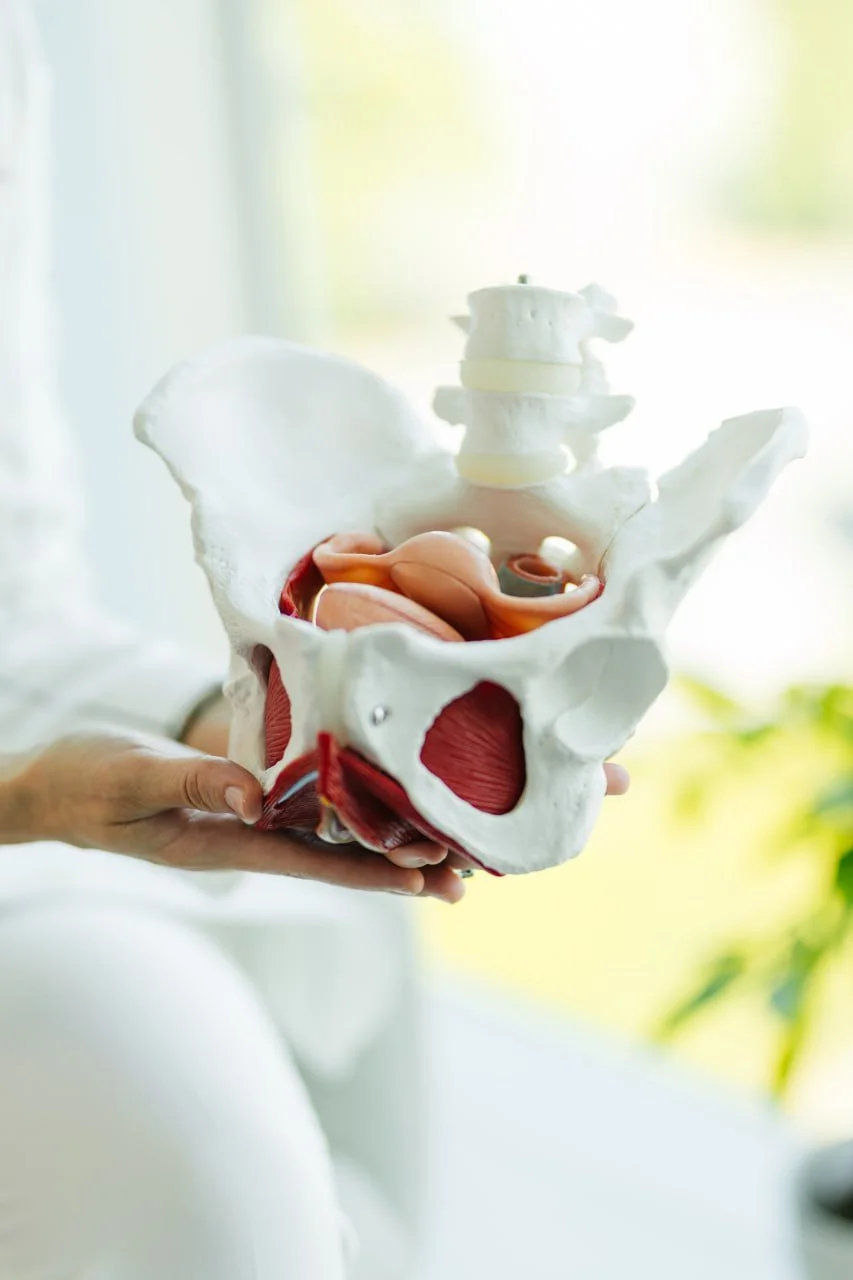
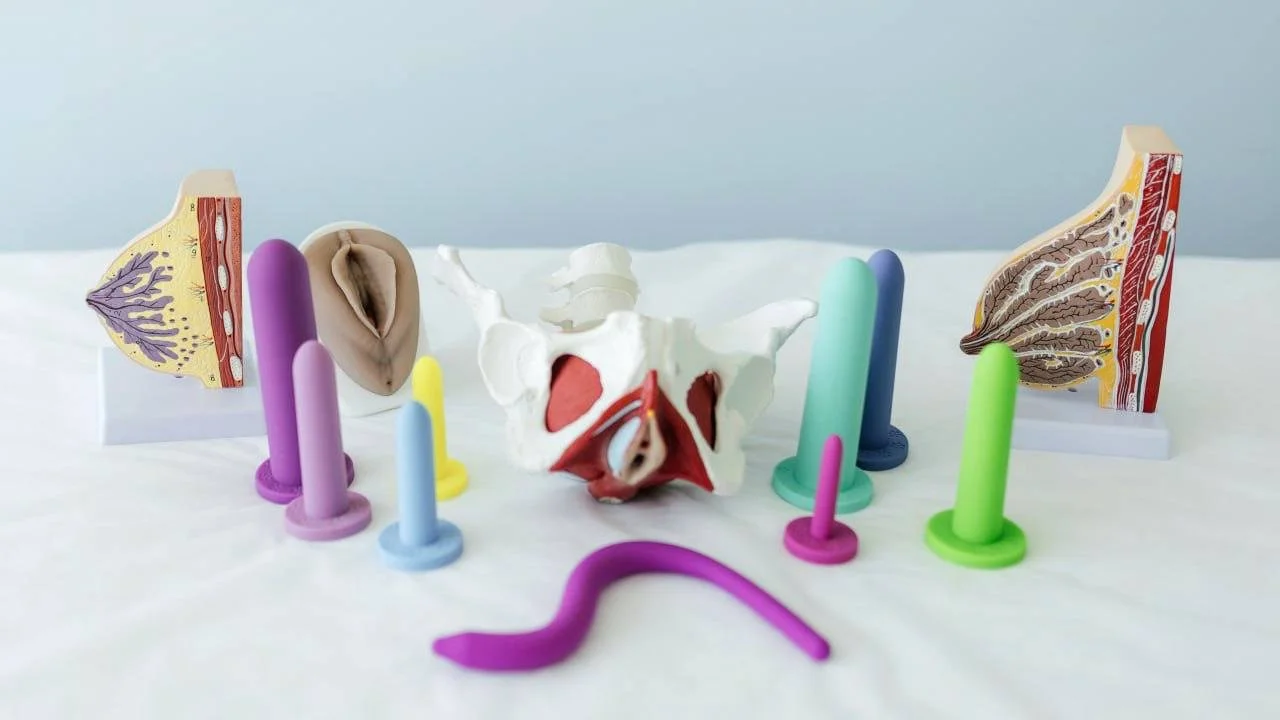

At Ova Women’s Health Physiotherapy, we specialize in complex pelvic floor dysfunction, from incontinence and prolapse to vaginismus, vulvodynia, and chronic pelvic pain. Biofeedback is one of the most advanced tools we offer, but what truly sets us apart is how we integrate it into a comprehensive, personalized treatment plan based on science, expertise, and whole-body understanding.
Here’s what makes Ova different:
✅ International training + thousands of pelvic floor cases treated
Our practitioners bring global education and deep clinical experience in complex pelvic pain, postpartum recovery, and pelvic floor neuromuscular rehabilitation. We’ve supported thousands of patients in understanding their pelvic floor and rebuilding control with confidence.
✅ Clinical-grade biofeedback with expert interpretation
Biofeedback isn’t just about “seeing your muscles on a screen.” It’s about analyzing patterns, recognizing dysfunction, and teaching your body how to relearn optimal movement. At Ova, your sessions are guided by pelvic health physiotherapists who specialize in interpreting biofeedback results and translating them into meaningful progress.
✅ A whole-body, whole-person approach
Pelvic floor issues are rarely isolated. We look at posture, breathing patterns, core coordination, nervous system responses, scar tissue, bladder/bowel habits, and stress levels, all of which affect pelvic muscle performance. Biofeedback becomes far more effective when integrated into this comprehensive model.
✅ Gentle, evidence-informed rehabilitation
We combine biofeedback with manual therapy, pelvic floor retraining, breathing work, mobility exercises, nervous system regulation, and functional strengthening, ensuring that your improvement is multidimensional, not just muscular.
✅ A supportive and private environment
You are never rushed, dismissed, or made to feel uncomfortable. Our sessions are one-on-one, trauma-informed, and designed to help you feel safe, respected, and empowered throughout the process.
✅ Trusted across Burnaby, Vancouver, and the Lower Mainland
Women and individuals seeking specialized pelvic health care travel to Ova for our expertise, precision, and compassionate approach. Whether you’re postpartum, dealing with chronic pelvic pain, managing bladder symptoms, or navigating sexual pain, biofeedback at Ova is part of a deeper, whole-body system designed to restore control, reduce pain, and rebuild confidence.
Ready to Begin?
Don’t wait. The sooner we start, the sooner you can feel stronger and more supported. Space is limited due to high demand, but if you’re ready to take the first step toward lasting pelvic health, we’re here to help.
📌Related Blogs on Our Website
➡️Restoring Bladder Control: Treatment of Urinary Urgency and Frequency
➡️Vaginismus and the Path to Pain-Free Intimacy
➡️Painful Orgasm: Understanding Dysorgasm
➡️Addressing Pain During or After Sex
📌External Resources
🌐Cleveland Clinic - Biofeedback