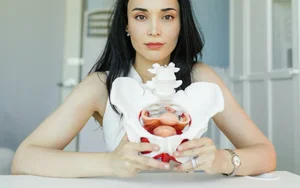
Endometriosis is a complex medical condition that affects millions of women worldwide. While there's no cure for Endometriosis, various treatments can help manage the symptoms of this condition. Pelvic Floor Physiotherapy is an effective treatment option which helps reduce the symptoms of Endometriosis and improves the quality of life for those who suffer from it.
In this blog, we will delve into the impact of Endometriosis on women's health and how Pelvic Floor Physiotherapy can offer relief and support.
⭐ Key Takeaways
Endometriosis is a chronic inflammatory condition that affects millions of women and is one of the leading causes of chronic pelvic pain.
Pelvic floor dysfunction commonly develops alongside endometriosis due to pain, inflammation, guarding, and muscular compensation.
Pelvic floor physiotherapy helps reduce pain, improve pelvic muscle function, and enhance quality of life.
A combined approach that includes physiotherapy, gynecology, and lifestyle strategies yields the best outcomes.
Early intervention helps prevent long-term sensitization and improves day-to-day comfort and sexual health.
🎥 Watch: Endometriosis, Pelvic Pain, and the Role of Physiotherapy
What is Endometriosis?

Image adapted from the 'Medical Gallery of Blausen Medical 2014,' as featured in the WikiJournal of Medicine.
Endometriosis is a chronic condition in which tissue similar to the lining of the uterus grows outside the womb. This tissue, called Endometrial Tissue, can be found on the ovaries, fallopian tubes, and the tissue lining the pelvis. Unlike the lining of the uterus, which sheds during menstruation, the endometrial tissue outside the uterus has no way to exit the body. This can lead to inflammation, scarring, and the formation of painful adhesions.
Symptoms of Endometriosis
The symptoms of endometriosis can vary from person to person, but some common signs include:
Pelvic Pain: This is the hallmark symptom of endometriosis. Women may experience persistent pelvic pain that can range from mild to severe and is often worse during menstruation.
Painful Periods (Dysmenorrhea): Women with endometriosis often experience excruciating menstrual cramps that interfere with their daily lives.
Painful Intercourse (Dyspareunia): Sexual intercourse can become painful due to the presence of endometrial tissue in the pelvic area and a persistent inflammatory process in the pelvic region.
Painful Bowel Movements or Urination: Some women with endometriosis may experience pain during bowel movements or urination, particularly during their menstrual periods.
Infertility: Endometriosis can also lead to fertility issues in some cases.
The Role of Pelvic Floor Therapy
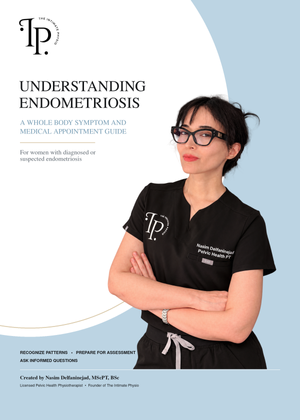
Pelvic Floor Physiotherapy is a specialized form of physical therapy that focuses on the muscles, ligaments, and tissues that support the pelvic organs, including the uterus, bladder, and rectum. It is a valuable addition to the treatment options for endometriosis for several reasons:
Pain Management: Pelvic Floor Physiotherapy can help manage the persistent pelvic pain associated with endometriosis. Physiotherapists trained in the treatment of chronic pelvic pain conditions use techniques such as manual therapy, stretches, and exercises to relieve muscle tension and reduce pain with a holistic, whole-person approach.
Improving Pelvic Floor Function: Endometriosis can affect pelvic floor muscle function. Pelvic Floor Physiotherapy can help improve the coordination and function of these muscles, which is crucial for overall pelvic health.
Addressing Bowel and Bladder Issues: If endometriosis has caused bowel or bladder dysfunction, Pelvic Floor Physiotherapy can provide techniques to address these issues, such as improving control and reducing discomfort.
Enhancing Quality of Life: By reducing pain and improving function, Pelvic Floor Physiotherapy can significantly enhance a woman's quality of life, allowing her to engage in daily activities more comfortably.
When to Seek Help
Consider pelvic floor physiotherapy if you experience:
Deep pelvic pain that interferes with daily life
Painful intercourse
Difficulty emptying the bladder or bowel
Persistent pelvic tightness
Pain that continues even outside your menstrual cycle
Increasing frequency of flare-ups
Pain after endometriosis or laparoscopic surgery
Despite the complexity of Endometriosis, with the right treatment approach, including Pelvic Floor Physiotherapy, it is possible to manage the symptoms and improve overall well-being. Every individual's experience with Endometriosis is unique, and treatment plans should be tailored to meet their specific needs. By addressing persistent pain, improving function, and alleviating associated issues, Pelvic Floor Physiotherapy plays a significant role in providing relief and enhancing the quality of life for those living with endometriosis.

❓FAQs About Endometriosis
-
Yes. Pelvic floor physiotherapy is one of the most effective non-surgical treatments for endometriosis-related pelvic pain. Chronic inflammation and irritation often cause the pelvic floor muscles to become tight, overactive, and guarded, which increases pain and sensitivity.
A trained pelvic floor physiotherapist can help reduce this tension, calm the nervous system, improve mobility, and make daily activities and intimacy more comfortable.
-
Pelvic floor physiotherapy goes far beyond exercises. It includes a whole-person approach that addresses pelvic muscles, nerves, posture, breathing patterns, and inflammatory sensitivity.
Here is what treatment may include:
• Manual therapy to release tight pelvic floor muscles
• Gentle internal techniques to reduce muscle guarding
• Nervous system regulation strategies
• Breathing and relaxation techniques
• Pain science education to help reduce fear and sensitivity
• Bladder and bowel retraining
• Scar tissue mobilization when needed
• Posture, hip, and abdominal mobility retraining
• Support during flare-ups
This approach helps restore mobility, decrease inflammation, and reduce pain sensitivity, especially for patients whose muscles have been tight for many years.
-
Chronic pelvic pain leads the body to protect itself. Over time, the pelvic floor, lower abdomen, back, and hips begin to “guard” by tightening.
This protective tension becomes automatic, even on days when pain feels lower, and can make symptoms worse.
Pelvic floor physiotherapy helps break this cycle.
-
Pelvic floor physiotherapy addresses one of the most overlooked aspects of endometriosis: the muscular guarding and chronic tension that develop from years of inflammation and pain. Many women with endometriosis have tight, overactive pelvic floor muscles that contribute to painful intercourse, difficulty with bowel or bladder function, and daily pelvic discomfort. Physiotherapy helps release these muscles, calm the nervous system, and support healthier movement patterns.
-
Yes. Surgery may remove lesions, but it does not treat muscle tension, scar tissue mobility, nerve irritation, or the pain patterns created over time. Physiotherapy helps restore mobility, reduce inflammation around scars, and retrain the muscles so your body can function more comfortably after surgery.
-
Yes. Painful intercourse is extremely common in endometriosis due to muscle tension, inflammation, and scar tissue. Pelvic floor physiotherapy helps by releasing tight muscles, improving blood flow, desensitizing painful areas, and guiding women through strategies to make intimacy more comfortable again.
-
Absolutely. Endometriosis often affects the bladder and bowel, causing urgency, incomplete emptying, difficulty relaxing, constipation, and rectal pain.
Physiotherapy helps retrain the pelvic floor to relax properly, improve coordination, and reduce painful spasms.
-
Anytime pain interferes with daily life, intimacy, bowel or bladder function, or your emotional well-being. You can also benefit from treatments during your menstrual period when symptoms often get aggravated.
Early treatment can prevent long-term complications and help you remain functional between flare-ups.
Why Choose Ova Women’s Health in Burnaby?
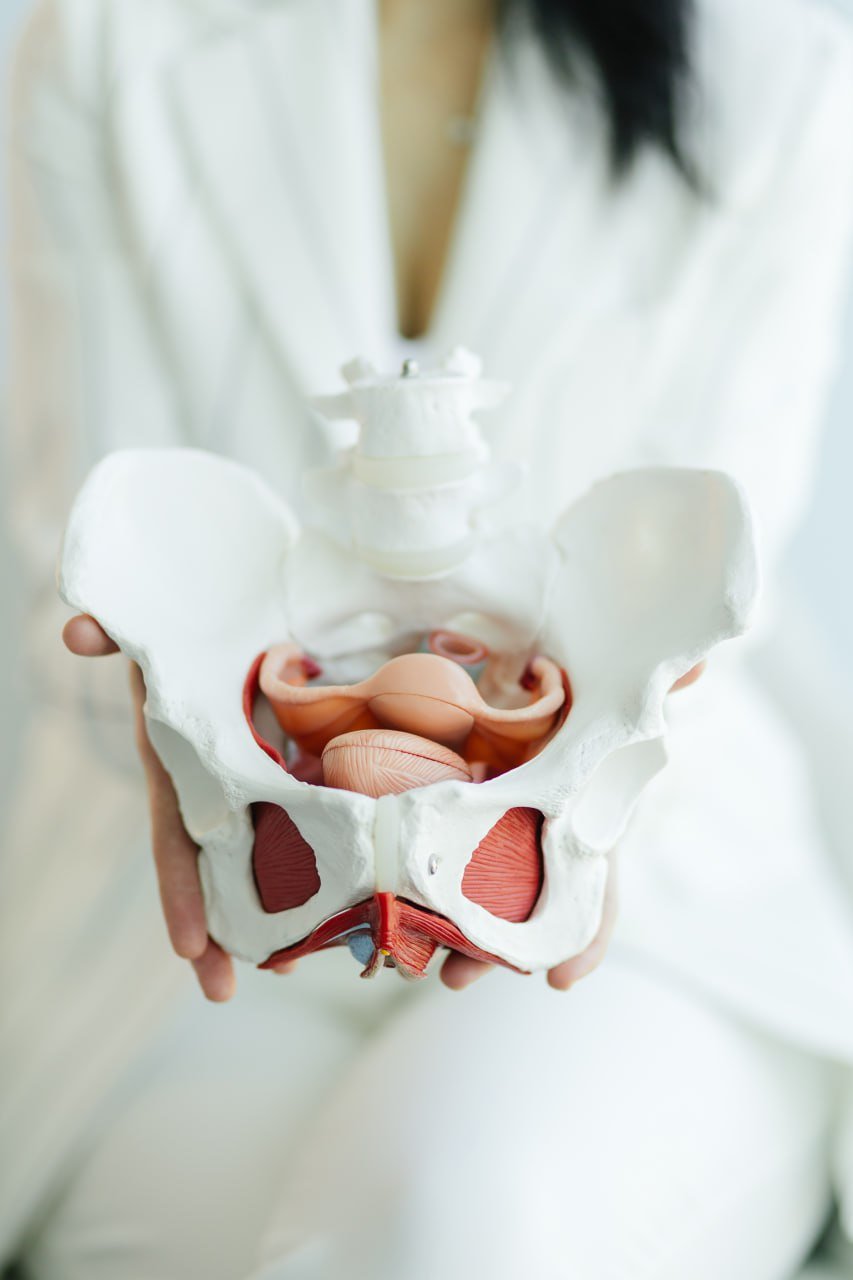
At Ova, we are the leading experts in pelvic floor physiotherapy and complex pelvic pain. With over 2,000 successful cases and advanced international training, we provide an unparalleled level of expertise that sets us apart from other clinics


What sets Ova apart?
✅ Deep expertise in endometriosis-related pelvic pain
We understand the patterns, the flare cycles, the inflammatory response, and the muscle guarding that come with this condition.
✅ Whole-person, trauma-informed care
You are treated with compassion, validation, and respect. Your symptoms are real, your pain is real, and you deserve answers.
✅ Evidence-informed treatment rooted in global best practices
Your plan is customized and based on advanced pelvic pain research.
✅ Specialized techniques for chronic pelvic pain
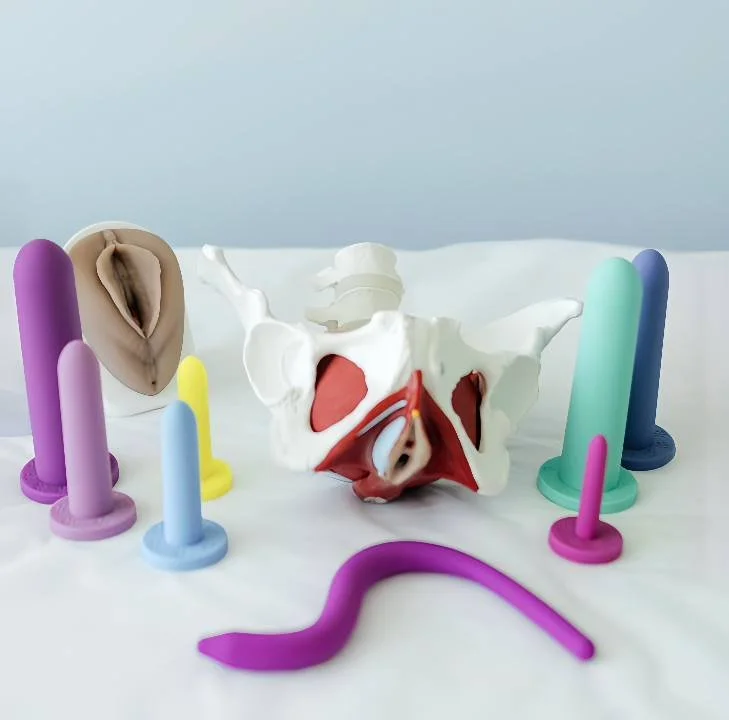
Including manual therapy, internal release, biofeedback, scar mobilization, nervous system regulation, breathwork, and functional retraining.
✅ Education That Empowers You
We believe women deserve better knowledge, clearer guidance, and real tools for long-term relief. We help you understand your symptoms, identify triggers, and manage difficult days with confidence.
✅ Emergency and Priority Appointments
For severe pelvic pain days, we offer dedicated urgent care options so you never feel unsupported during flare-ups.
✅ Renowned across Burnaby and the Lower Mainland
Women travel from across BC for care because they want a provider who understands complex pelvic pain at the highest level.
Ready to Begin?
Don’t wait. The sooner we start, the sooner you can feel relief. Space is limited due to high demand, but if you are ready to take the first step toward recovery, we are here to support you every step of the way.