The Complete Guide to Choosing the Best Lubricants for Women: Safe Ingredients, Types, and What to Avoid
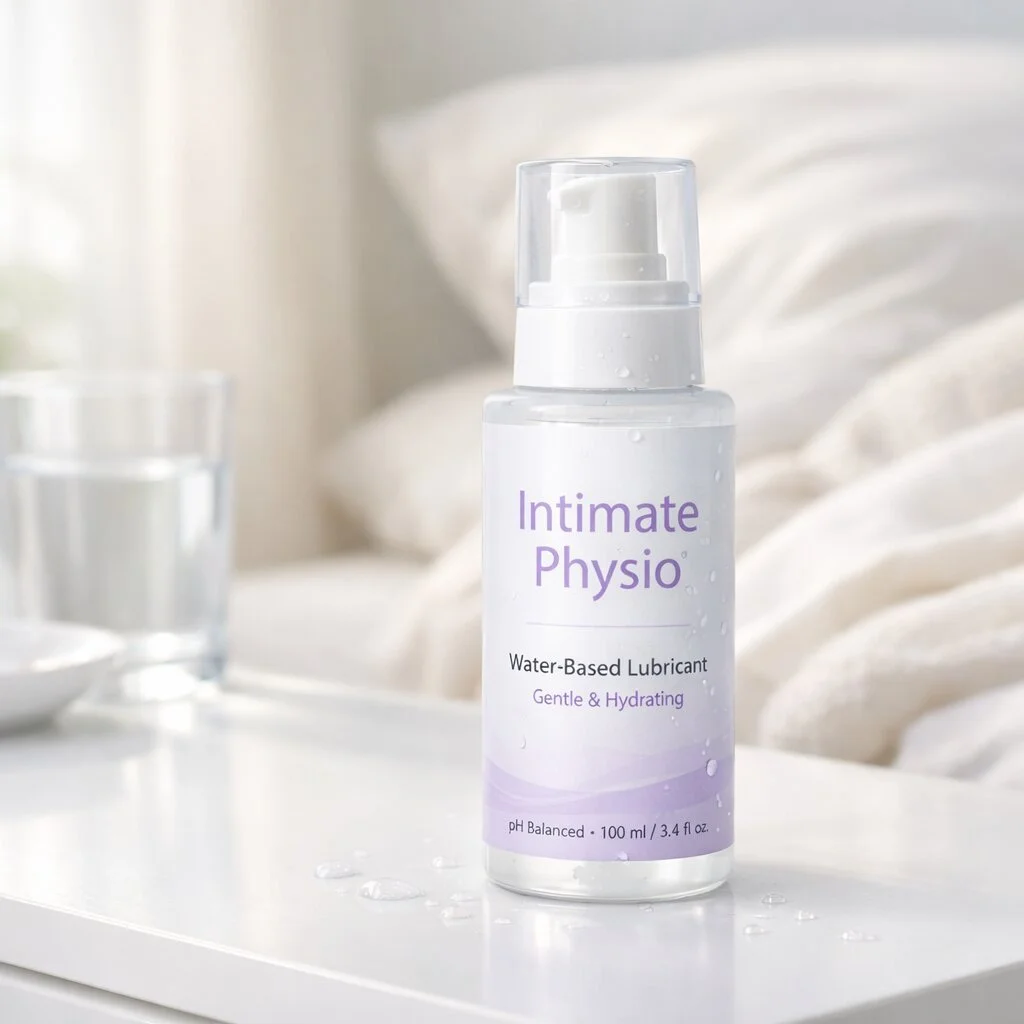
Lubricant can be a powerful addition to sex. It can increase comfort, reduce friction, support vaginal dryness, and enhance pleasure. But not all lubricants are created equal. Some support healthy vaginal tissues, while others can disrupt pH, irritate sensitive skin, or increase infection risk.
This evidence‑informed guide explains when lubricant is helpful, which ingredients to look for, which to avoid, and how to choose the best option for your body.
⭐Key Takeaways
Vaginal dryness is common, especially postpartum, during breastfeeding, menopause, cancer treatment, and certain autoimmune conditions.
Pain with intercourse is common but not normal and deserves proper pelvic floor assessment.
Lubricant is essential for anal sex because the anus does not self‑lubricate and requires added glide to reduce friction and tissue injury.
If trying to conceive (TTC), choose fertility‑friendly or sperm‑safe lubricants designed to support sperm motility and survival.
Not all lubricants are safe for vaginal tissues. Ingredients, pH, and osmolality directly impact tissue health.
Avoid products with glycerin, parabens, petroleum, fragrance, glitter, tingling agents, or artificial flavouring.
Choose pH‑balanced, low‑osmolality, fragrance‑free, condom‑compatible options whenever possible.
Oil‑based lubricants can weaken latex condoms and increase breakage risk.
🎥Watch: Best Lubricants for Women: Choosing the Right Lube for Comfort and Pain Relief
This video explains how to choose the best lubricant for women based on symptoms like dryness, irritation, and pain, and how pelvic floor health plays a role in comfort
Benefits of Using Lubricant
Lubricant is not only for people who "have a problem." It can support tissue health, comfort, and pleasure for many women, even when natural lubrication is present.
Supports Hormonal Changes
During pregnancy, postpartum recovery, breastfeeding, and menopause, estrogen levels often fluctuate or decline. Lower estrogen can reduce natural lubrication, thin vaginal tissues, and increase sensitivity.
During breastfeeding specifically, prolactin levels remain elevated, which suppresses estrogen. This can lead to vaginal dryness even if you feel emotionally ready for intimacy.
Low estrogen is also associated with cancer treatments, autoimmune disorders, and certain medications. In these cases, lubricant helps compensate for reduced natural moisture and protects sensitive tissue.
Improves Comfort and Protects Tissue
Lubricant reduces friction. Less friction means a lower risk of tissue irritation, micro‑tearing, inflammation, and post‑intercourse soreness. It can also enhance glide and overall pleasure, which may allow the pelvic floor muscles to relax more easily.
Even women without dryness may benefit from added lubrication to improve comfort and decrease tissue stress. Vaginal dryness is common. Persistent pain with intercourse is not. If discomfort continues despite lubrication, a pelvic floor assessment may be helpful.

Who May Benefit From Lubricant?
Women going through menopause – Estrogen levels naturally decline, which often reduces natural lubrication and increases tissue sensitivity.
Postpartum women experiencing dryness – Hormonal shifts after delivery, especially while breastfeeding, commonly decrease lubrication and increase friction discomfort.
Women who are breastfeeding – Elevated prolactin suppresses estrogen, which can make tissues feel thinner and drier.
Those with vulvodynia or chronic vulvar burning – Reducing friction can help decrease irritation and improve comfort during intimacy.
Individuals undergoing cancer treatment – Hormone therapies and chemotherapy can significantly affect vaginal tissue health and moisture levels.
Women with autoimmune disorders – Some autoimmune conditions are associated with dryness and tissue sensitivity.
Those using dilators or sex toys – Lubricant reduces friction and makes gradual stretching or penetration more comfortable.
Anyone seeking more pleasurable or longer‑lasting intimacy – Even without dryness, lubrication can enhance glide, reduce friction, and improve overall comfort.
Can You Use Lube When Trying to Conceive (TTC)?
Some studies suggest certain lubricants may reduce sperm motility, meaning they can interfere with sperm movement toward the egg. Many standard lubricants are not designed with fertility in mind and may have a pH or osmolality that is unfriendly to sperm.
If you are actively trying to conceive, it is important to choose a product labelled “fertility‑friendly” or “sperm‑safe.” These lubricants are typically formulated to:
Mimic fertile cervical mucus
Maintain a pH that supports sperm survival
Have isotonic or low‑osmolality properties to avoid damaging sperm cells
Avoid spermicidal ingredients or additives that impair motility
Avoid lubricants containing glycerin, high‑osmolality formulations, or products not specifically tested for sperm compatibility when TTC.
If dryness is mild, you may choose to limit lubricant use during ovulation windows. If dryness is significant, consult your OB‑GYN or midwife about fertility‑safe alternatives so you can protect both comfort and conception chances.
What to Look for in a Lubricant
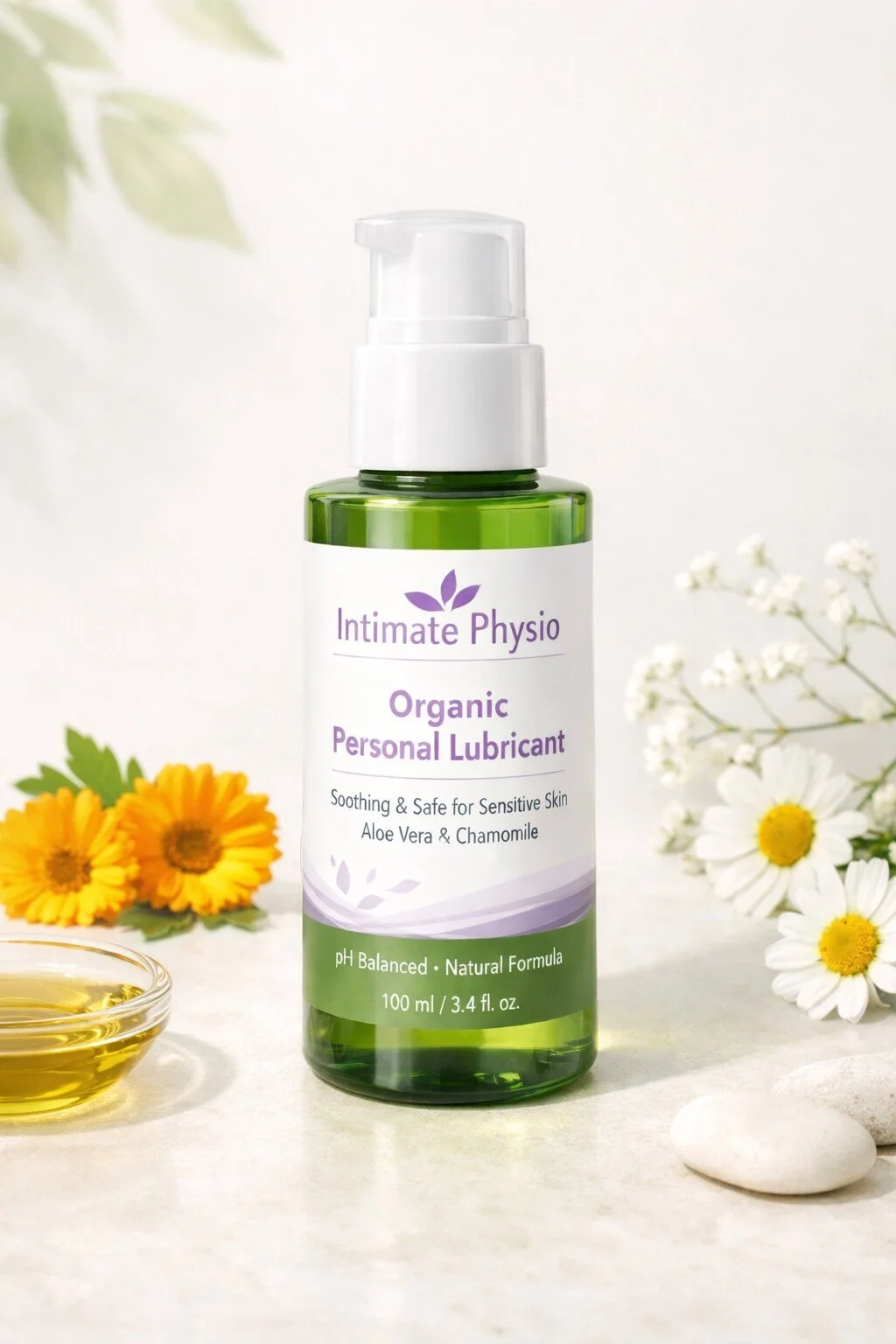
A high‑quality lubricant should be:
pH balanced for vaginal tissue – The vagina has a naturally acidic pH. A balanced product helps maintain healthy bacteria and reduces irritation risk.
Low osmolality – Lubricants that are too concentrated can pull moisture out of vaginal cells, leading to dryness and microscopic tissue damage.
Fragrance‑free – Fragrance is a common trigger for vulvar irritation, burning, and allergic reactions.
Glycerin‑free – Glycerin is sugar‑derived and may increase yeast overgrowth in individuals prone to infections.
Paraben‑free – Some women prefer to avoid parabens due to potential sensitivity and preservative concerns.
Petroleum‑free – Petroleum products can trap bacteria and are not safe with latex condoms.
Condom compatible (if needed) – If you are using latex condoms, compatibility prevents weakening and breakage.
Vitamin E oil or coconut oil may support daily external hydration. However, oil‑based products can weaken latex condoms and increase breakage risk.
Hydration, regular movement, and avoiding smoking or excessive alcohol also support tissue health
What to Avoid in Lubricant
Certain ingredients are more likely to irritate sensitive vulvar and vaginal tissues or disrupt the natural microbiome. When choosing a product, be cautious of the following:
Glycerin – A sugar-derived ingredient that can increase yeast growth in individuals prone to infections.
Parabens – Preservatives that may irritate sensitive tissue and are often avoided by those seeking cleaner formulations.
Petroleum‑based ingredients – Can trap bacteria, irritate tissues, and are not condom compatible.
Artificial fragrance – A common cause of vulvar irritation, burning, or allergic reactions.
Glitter or sparkles – Decorative particles that can cause micro‑abrasions and inflammation.
Tingling or warming agents – Often contain menthol or similar stimulants that may feel uncomfortable or trigger burning.
Artificial flavouring – Frequently includes sugars or additives that can disrupt vaginal pH.
If a product burns, tingles, smells strongly, or looks decorative, it likely does not belong on the vulva or inside the vagina.
Types of Lubricants: Categories, Pros, and Cons
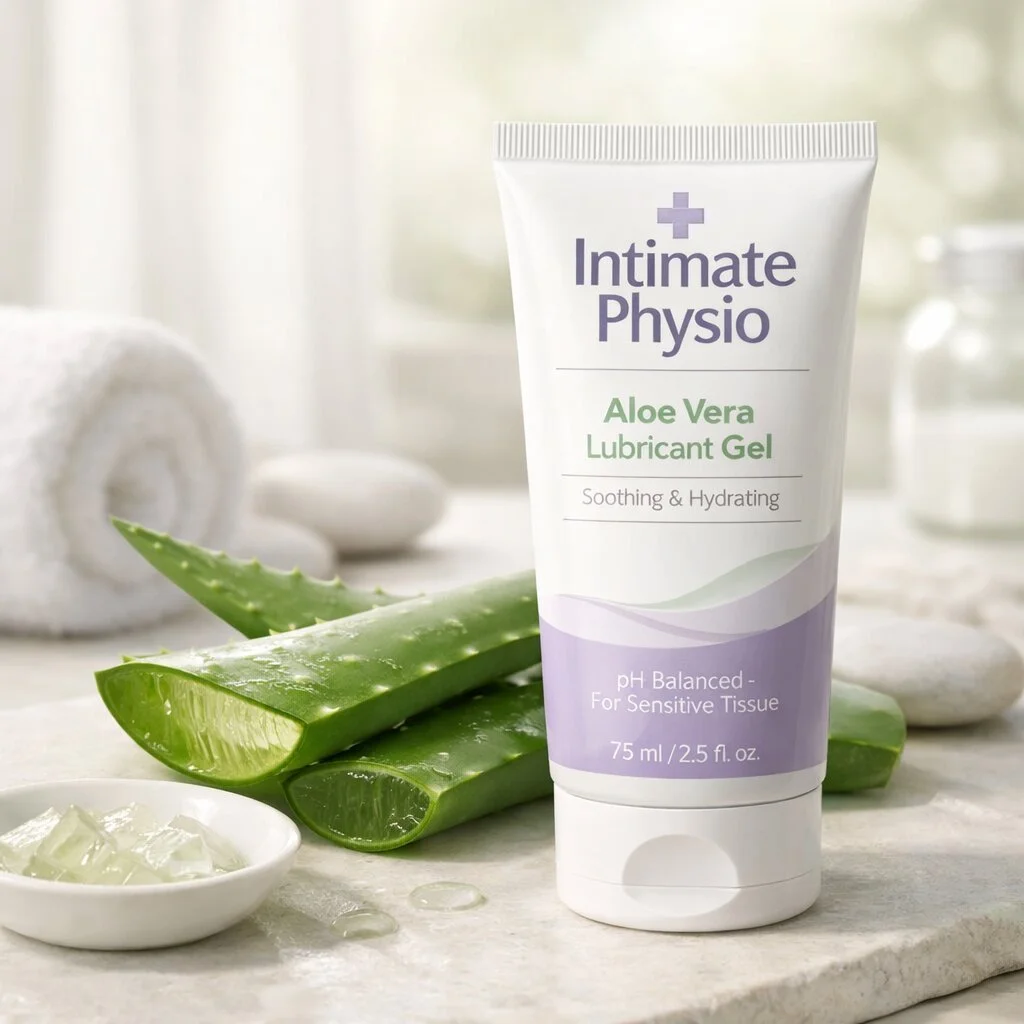
There are several categories of lubricants, and the right choice depends on your goals, your tissue sensitivity, and whether you are using condoms or toys.
Water‑Based Lubricants
Pros:
Water‑based lubricants are usually the easiest place to start. They are gentle, safe to use with latex condoms and silicone toys, and simple to clean up. Many women with sensitive skin tolerate them well.
Cons:
They tend to absorb or dry out more quickly, so you may need to reapply during longer sessions.
Silicone‑Based Lubricants
Pros:
Silicone lubricants last significantly longer than water‑based options, which makes them helpful for extended intimacy or more pronounced dryness.
Cons:
They should not be used with silicone toys, as they can degrade the material. Some people also find them more difficult to wash off the skin.
Aloe‑Based Lubricants
Pros:
Aloe‑based products are often soothing and typically safe with condoms and silicone toys. They may last longer than many standard water‑based formulas and can feel gentle on irritated tissues.
Cons:
As with any botanical ingredient, some individuals may experience sensitivity. A patch test on the inside of the elbow before internal use can be helpful.
Oil‑Based Lubricants
Pros:
Oil‑based lubricants are long‑lasting and may work well for external hydration and comfort.
Cons:
They can weaken latex condoms and increase the risk of breakage. Some individuals report a higher likelihood of infections with internal oil use, so personal response matters.
Organic Lubricants
Pros:
Organic lubricants often have simpler ingredient lists, which can be appealing for sensitive vulvar tissue and those wanting fewer additives.
Cons:
They may not always be readily available in local stores and sometimes require online ordering.
CBD‑Based Lubricants
Pros:
CBD lubricants are marketed for their potential relaxing effects. Some women with pelvic floor overactivity feel that they help reduce tension and discomfort.
Cons:
CBD products are not well-regulated, and many formulas are oil‑based, which may affect condom integrity. Choosing a reputable brand is essential.
Lubricant for Anal Sex: What to Know
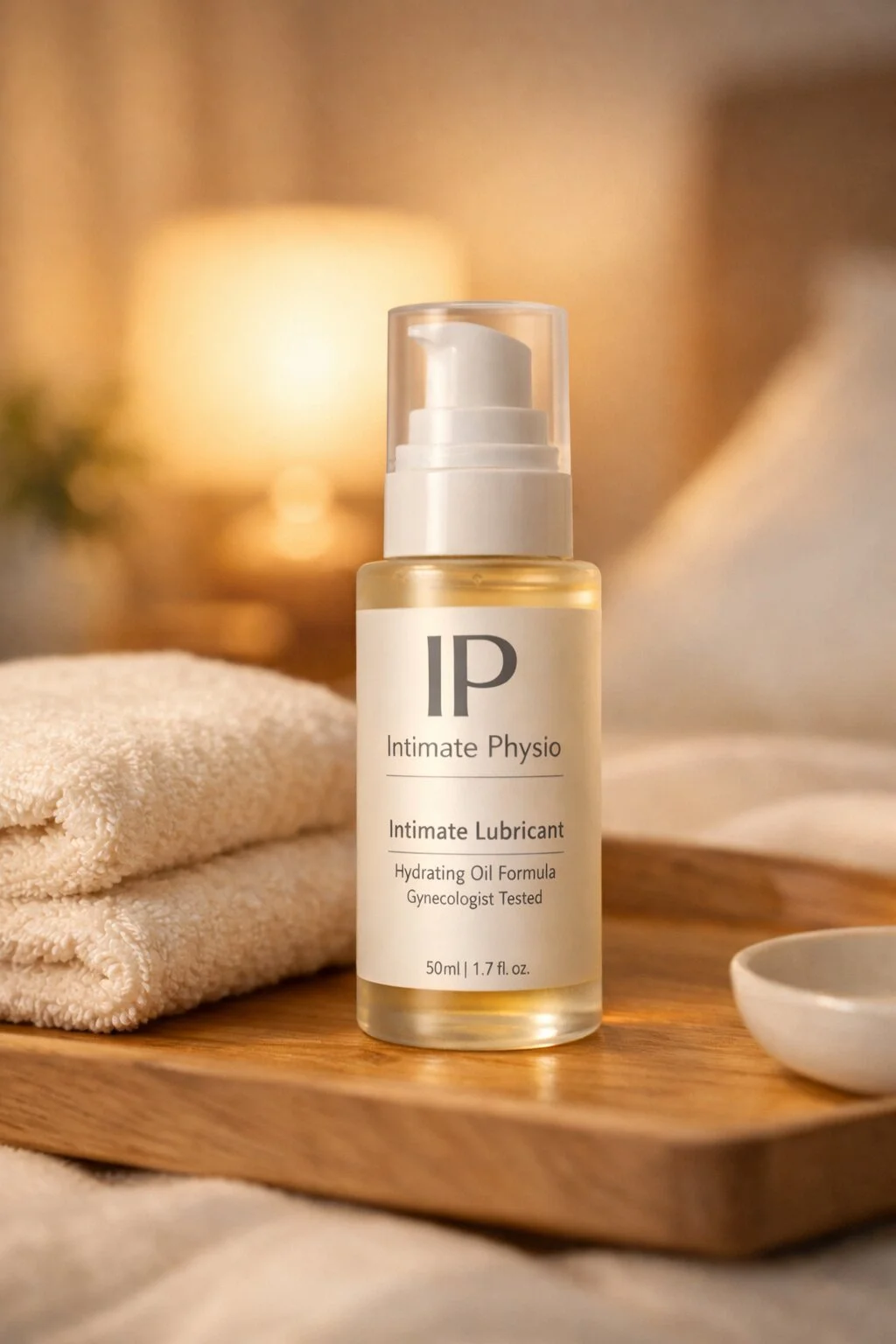
The anus does not naturally self‑lubricate the way vaginal tissue does. This means lubricant is not optional during anal sex — it is essential for comfort and tissue protection.
When choosing a lubricant for anal sex, consider the following:
Thicker consistency – Anal tissue benefits from a lubricant that provides more cushion and glide to reduce friction and micro‑tearing.
Silicone‑based options – These are often preferred for anal sex because they last longer and require less reapplication.
Fragrance‑free and glycerin‑free formulas – The rectal lining is sensitive and can easily become irritated.
Condom compatibility – If using latex condoms, which we recommend, avoid oil‑based products, which can increase breakage risk.
Oil‑based lubricants may feel long‑lasting, but they are not safe with latex condoms and can increase infection risk for some individuals.
If you experience persistent pain, burning, or bleeding with anal penetration, this is not something to ignore. Pelvic floor tension, hemorrhoids, fissures, or other conditions may require assessment.
Recommended Lubricants
As a pelvic floor physiotherapist specializing in women’s pelvic health, these are the lubricants I most commonly recommend based on ingredient safety, tissue compatibility, and clinical experience:
↘️Slippery Stuff (water‑based, minimal ingredients)
This is frequently used in pelvic health clinical settings because it has a short, simple ingredient list and is water‑soluble. It is gentle on sensitive tissues, safe with latex condoms and silicone toys, and formulated in a way that is less likely to disrupt vaginal pH.↘️Sutil Luxe Water‑Based Lubricant (glycerin‑free, paraben‑free)
I often recommend this option for women who are prone to irritation, recurrent yeast infections, or vulvar sensitivity. It avoids glycerin and parabens while maintaining a smooth consistency and strong condom compatibility.↘️Good Clean Love Almost Naked (organic option)
This is a thoughtful choice for women seeking a cleaner, organic formulation. It is pH-balanced, free from common irritants, and designed to support the natural vaginal environment rather than disrupt it.
Individual tolerance varies. Even well‑formulated, professionally recommended products can feel different from person to person. Always monitor for burn
❓FAQs About Lubricants
-
For anal sex, a thicker lubricant is recommended because the anus does not self‑lubricate. Silicone‑based lubricants are often preferred as they last longer and reduce friction. Always choose fragrance‑free and glycerin‑free options, and ensure condom compatibility if using latex condoms.
-
Not all lubricants are sperm‑friendly. Many standard formulas can affect sperm motility due to pH or osmolality differences. When trying to conceive, look for products labelled “fertility‑friendly” or “sperm‑safe,” which are designed to support sperm survival.
-
During menopause, estrogen levels decline, and tissues may become thinner and drier. A pH‑balanced, low‑osmolality, fragrance‑free lubricant is ideal. Some women also benefit from vaginal moisturizers in addition to lubricants.
-
Water‑based or aloe‑based lubricants that are glycerin‑free and fragrance‑free are typically safest. Hormonal shifts during breastfeeding can reduce lubrication, so gentle formulations are important.
-
CBD lubricants may help some individuals with pelvic floor overactivity feel more relaxed. However, CBD products are not well regulated, and many are oil‑based, which may not be condom compatible. Choose reputable brands and monitor for irritation.
-
Yes. Vaginal dryness is common, especially postpartum, during breastfeeding, menopause, and cancer treatment.
-
Yes. Lubricants containing glycerin, high osmolality ingredients, or irritants may increase infection risk.
-
Most flavoured lubricants contain sugars or additives that may disrupt vaginal pH. They are generally not recommended.
-
Osmolality refers to how concentrated a product is compared to body tissues. High‑osmolality lubricants can draw moisture out of cells, increasing irritation risk.
-
Yes, for most people. They are long‑lasting but should not be used with silicone toys.
Final Thoughts
Lubricant can support comfort, pleasure, and tissue protection when chosen thoughtfully. The key is selecting products that work with vaginal physiology rather than against it. Ingredients, pH balance, and osmolality directly affect tissue health, microbiome stability, and long‑term comfort.
Vaginal dryness is common across many life stages. Ongoing pain, burning, or recurrent irritation is not. If symptoms persist despite using appropriate products, this may indicate underlying pelvic floor dysfunction, hormonal changes, or tissue sensitivity that deserves professional evaluation. Proper assessment can provide clarity, targeted treatment, and meaningful relief.
Ova Women’s Health Physiotherapy in Burnaby, BC: Evidence‑Based Pelvic Floor Care
When navigating wellness trends and product choices such as lubricants, it can be difficult to know which options are safe, helpful, or supported by evidence. This is where assessment‑based pelvic floor care becomes essential.
At Ova Women’s Health Physiotherapy in Burnaby, we focus on helping women make sense of pelvic health information through clinical evaluation, education, and individualized care. Rather than offering blanket advice or quick fixes, we assess how your pelvic floor, vaginal tissues, nervous system, and daily demands are actually interacting and tailor care accordingly across all life stages, including menstrual health, postpartum recovery, pelvic pain, and sexual health.


What makes Ova different:
✅ Advanced expertise in pelvic floor dysfunction
Pelvic floor concerns are rarely isolated to one tissue or system. We perform detailed assessments to understand muscle tone, coordination, relaxation ability, and how the pelvic floor interacts with breathing, posture, and daily movement.
✅ Education‑based care rooted in anatomy and physiology
We prioritize education so women understand how their pelvic floor and vaginal tissues function. This empowers informed decision‑making based on evidence, not marketing claims.
✅ Specialized biofeedback assessment with detailed clinical reporting
When appropriate, we use pelvic floor biofeedback as part of a comprehensive assessment process. Biofeedback allows us to objectively evaluate muscle activity, relaxation, coordination, and response to functional tasks. Following assessment, we provide detailed clinical reports that explain findings, relate them to symptoms, and guide individualized treatment planning.
✅ Individualized treatment rather than one‑size‑fits‑all approaches
Treatment may include relaxation strategies, coordination retraining, breathing techniques, tissue desensitization, and nervous system regulation tailored to your needs.
✅ Compassionate, unhurried care in a supportive environment
Pelvic health concerns can be personal and complex. Appointments at Ova are private, unhurried, and focused on meaningful, sustainable change.
✅ Trusted by women across Burnaby, Vancouver, and the Lower Mainland
Women seek out Ova for expert pelvic floor physiotherapy when sexual discomfort, dryness, or pelvic pain affects comfort and quality of life.
Ready to Begin?
Don’t wait. The sooner we start, the sooner you can feel stronger and more supported. Space is limited due to high demand, but if you’re ready to take the first step toward lasting pelvic health, we’re here to help.
📌Related Blogs on Our Website
➡️First Time Sex: What to Expect
➡️Painful Intercourse: A Comprehensive Guide
➡️Vulva Cleansing: Safe Hygiene for Optimal Health
➡️Vaginal Dilators: A Key Tool in Pelvic Floor Physiotherapy
➡️Yoni Eggs and Pelvic Floor Health