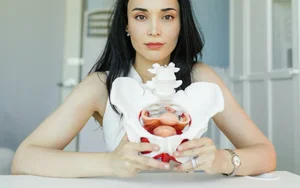
Vaginismus is a distressing condition that affects many women worldwide, yet it often goes undiagnosed and untreated due to the stigma and lack of awareness surrounding it. This involuntary tightening of the pelvic floor muscles can make vaginal penetration, including sexual intercourse and gynecological examinations, painful or even impossible. However, there are highly effective treatment options for those suffering from vaginismus, including Pelvic Floor Physiotherapy. In this article, we will explore Vaginismus, its causes, and the role of pelvic floor physiotherapy in treating this condition effectively.
⭐ Key Takeaways
Vaginismus is treatable, and most women improve significantly with pelvic floor physiotherapy.
It is caused by a combination of physical, emotional, and neurological factors—not a lack of desire or choice.
Pelvic floor physiotherapy is the primary and most effective treatment, using techniques like manual therapy, biofeedback, breathing retraining, and graded exposure.
The Biopsychosocial Approach is essential because vaginismus is influenced by both the body and the nervous system.
Dilator therapy, when done correctly and gently, can help retrain the body, but must be combined with muscle relaxation, education, and nervous system regulation to be effective.
Emotional support, counselling, and proper education accelerate recovery and reduce fear-based tension.
Pregnancy is absolutely possible, and many women successfully conceive after treating vaginismus.
Healing happens not only in the clinic but through consistent home practice, relationship communication, and nervous system support.
🎥Watch: Vaginismus Explained: Causes, Symptoms & Treatment
This video explains vaginismus, pelvic floor muscle tightness, and how pelvic floor physiotherapy helps reduce pain with penetration and restore function.
What is Vaginismus?

Understanding Vaginismus begins with recognizing it as a reflexive muscular reaction, not a choice.
The muscles surrounding the vagina contract involuntarily, causing discomfort, pain, and often emotional distress. This condition may be present from the first attempt at penetration (primary) or develop after a history of pain-free intercourse (secondary), each carrying its unique challenges and implications for treatment.
What Are The Causes of Vaginismus?
The exact cause of Vaginismus is unknown; however, there are psychological and physical risk factors that can contribute to the symptoms. While the exact etiology is not fully understood, the following factors are believed to contribute to the development of vaginismus:
Psychological Factors: Anxiety, fear of insertion/ penetration, trauma (such as sexual abuse or negative sexual experiences), relationship challenges, and cultural or religious factors
Physical Factors: Certain medical conditions, such as urinary tract infections, endometriosis, or pelvic inflammatory disease, past surgeries, and childbirth trauma
How Does Pelvic Floor Physiotherapy Help?
Pelvic Floor Physiotherapy, also known as Pelvic Rehabilitation or Pelvic Floor Muscle Training, has emerged as a highly effective treatment option for Vaginismus. This specialized form of physiotherapy focuses on assessing and addressing the tension, tone and coordination of the pelvic floor muscles. Here's how pelvic floor physiotherapy can help:
Education and Awareness: The first step in Pelvic Floor Physiotherapy is educating patients about their pelvic floor anatomy, normal sexual functioning, and dispelling any misconceptions or fears surrounding their condition. This helps alleviate anxiety and contributes to a positive mindset for treatment.
Biopsychosocial Approach: Practitioners who adopt the Biopsychosocial Approach in pelvic floor physiotherapy are equipped with a multidimensional framework to treat Vaginismus, recognizing that pain is influenced by a complex interplay of biological, psychological, and social factors. This holistic perspective enables therapists to craft personalized treatment plans that address not only the physical symptoms but also the emotional and societal aspects affecting the individual. By considering the full spectrum of influences on a person's health, physiotherapists can offer more comprehensive and effective interventions for managing the condition, fostering a path toward healing that acknowledges the entirety of a patient's experience.
Biofeedback: Biofeedback techniques empower individuals to heighten awareness and regulate pelvic muscles. This non-invasive method uses sensors to monitor muscle activity, offering invaluable insights that guide the customization of the treatment plan. This is particularly advantageous for pain management and refining muscle coordination. Biofeedback demystifies the involuntary contractions characteristic of Vaginismus, empowering patients with awareness and control.
Gradual Exposure Therapy & Desensitization Techniques: For many, the mere anticipation of penetration elicits fear and pain. Desensitization techniques, including the graduated use of Vaginal Accommodators/ Dilators, offer a gentle reacquaintance with sensation. Guided by compassion and expertise, therapists support patients in reclaiming comfort and confidence and reframing the previously painful experiences into neutral or positive responses. Patients are guided through the process at their own pace, ensuring a gradual and comfortable progression.
Pelvic Floor Muscle Training: Pelvic Floor Physiotherapists teach patients specific exercises to improve the function and relaxation of their pelvic floor muscles. These exercises may include breathing techniques, relaxation strategies, pelvic floor muscle training, and stretching. By learning to control and relax these muscles, patients can gradually overcome the involuntary contractions associated with vaginismus.
Manual Techniques: Pelvic floor physiotherapists may also employ various manual techniques to focus on reducing stress and tension in the tissues. These techniques help release tone and tightness in the pelvic floor muscles, providing relief and promoting relaxation.
Emotional Support: Pelvic Floor Physiotherapists provide a supportive and empathetic environment for patients to address any emotional or psychological factors contributing to their condition. Counselling and/or Sex Therapy is a very effective and necessary treatment option alongside Pelvic Floor Physiotherapy to address the emotional and psychological factors contributing to symptoms. Pelvic Floor Physiotherapists help build the right referral and team around the patient to help address all the factors with a whole-person, holistic approach.
Can't make it to the clinic? Nasim's online vaginismus program teaches the same step-by-step approach she uses here, from home.
Beyond the Treatment Room
Healing from Vaginismus extends into daily life, where self-care practices, supportive relationships, and open communication become invaluable allies. Here, the journey becomes about overcoming a condition and fostering deeper understanding, resilience, and intimacy.
For those navigating the challenges of Vaginismus, it's crucial to remember that this condition, while daunting, is treatable. Vaginismus can have a profound impact on a woman's physical and emotional well-being. However, with the right approach and treatment, such as Pelvic Floor Physiotherapy, significant improvements can be achieved.
Can I Get Pregnant if I Have Vaginismus?

One of the most common questions women ask is, “Can I still get pregnant if I have vaginismus?” The answer is yes, there is hope. While vaginismus can make penetration and intimacy difficult or even impossible, effective treatment with pelvic floor physiotherapy opens the door to both pain-free intimacy and the possibility of pregnancy.
At Ova, we have seen countless women overcome vaginismus, restore their confidence, and go on to conceive naturally. With the right combination of pelvic floor physiotherapy, education, and support, many of our patients have successfully become pregnant and enjoyed healthy pregnancies.
Recently, one of our patients who had struggled with vaginismus surprised us with the most heartwarming gift, a box announcing her pregnancy. (The photo included here is the actual gift box we received from her.) Stories like hers remind us why we do what we do: to help women not only overcome pain but also move forward with the life and family they’ve dreamed of.
If vaginismus has left you wondering about your future, know that with the right treatment and care, pregnancy is absolutely possible.

Why Choose Ova in Burnaby, BC?
At Ova, we are the leading experts in pelvic floor physiotherapy and complex pelvic pain. With over 2,000 successful cases and advanced international training, we provide an unparalleled level of expertise that sets us apart from other clinics.


What sets Ova apart?
✅ Proven success in treating vaginismus
As seen throughout our website and blogs, we have helped many women overcome vaginismus and return to pain-free intimacy with a structured, results-driven approach.
✅ Real patient outcomes, including pregnancy success
We have had the privilege of seeing many of our patients go on to conceive after treatment. Some have even shared heartfelt gifts and messages with us. These stories reflect the level of success we consistently achieve and the hope this treatment can offer.
✅ Deep expertise in sexual pain conditions
We understand the muscle guarding, fear patterns, and nervous system responses that drive pain, and how to treat them effectively.
✅ Whole-person, trauma-informed care
Your experience is taken seriously, with treatment that is compassionate, respectful, and individualized.
✅ Evidence-informed, specialized treatment
Including manual therapy, guided dilator work, biofeedback, breathwork, and nervous system regulation.
✅ Renowned across Burnaby and the Lower Mainland
Women travel from across BC to receive care from a clinic that truly understands complex pelvic pain and delivers results.
Ready to Begin?
Don’t wait. The sooner we start, the sooner you can feel relief. Space is limited due to high demand, but if you are ready to take the first step toward recovery, we are here to support you every step of the way.
❓FAQs About Vaginismus and Pelvic Floor Physiotherapy
-
Vaginismus is the involuntary tightening of the pelvic floor muscles surrounding the vaginal opening, making penetration painful or sometimes impossible. It is a reflexive physical response, not a psychological choice, and it can occur with sexual activity, tampon use, or medical exams.
-
Yes, vaginismus is treatable. With the right combination of pelvic floor physiotherapy, education, and emotional support, most women experience significant improvement or complete resolution of pain.
-
Yes, it is possible to get pregnant after overcoming vaginismus. While vaginismus can make penetration difficult, effective treatment through pelvic floor physiotherapy can restore comfort and allow for pain-free intimacy. At Ova, many of our patients have successfully conceived naturally after treatment and gone on to have healthy pregnancies.
-
Pelvic floor physiotherapy focuses on assessing and retraining the pelvic muscles. Through relaxation techniques, biofeedback, manual therapy, and guided use of vaginal dilators, a physiotherapist helps release tension, improve coordination, and restore confidence during intimacy.
-
Your first session begins with a discussion about your symptoms, medical history, and goals. Your physiotherapist may assess posture, breathing, and pelvic muscle function to understand where the tension originates. Treatment is always at your pace and focused on safety, trust, and comfort.
-
No. Sessions are gentle and guided with full consent at every stage. The goal is to help your body feel safe again.
-
Yes. Pelvic floor physiotherapy can be started safely at any stage. The focus is on body awareness, relaxation, and comfort, not sexual activity.
📌Related Blogs on Our Website
➡️Relieving Vulvodynia: A Journey From Pain to Pleasure
➡️Painful Intercourse: A Comprehensive Guide