What Happens When You Pee Just In Case? Healthy Bladder Habits Every Woman Should Know
Urinating may feel automatic, but it is actually a learned, coordinated process between your bladder, pelvic floor muscles, nervous system, and brain.
How often you pee, when you go, and how you empty your bladder all shape long-term pelvic and bladder health.
Many bladder symptoms do not start because something is “wrong” with the bladder itself, but because of habits we unknowingly develop over time.
⭐Key Takeaways
Peeing is a learned neuromuscular behaviour, not just a reflex.
“Just in case” peeing trains the bladder to signal urgency too early.
A healthy bladder can usually wait 2–4 hours between voids.
You should never need to push, strain, or rush to pee.
Bladder habits can be retrained at any age with the right guidance.
🎥 Watch: Stop Peeing Just in Case: How It Worsens Urgency & What to Do
Wondering if "just in case" peeing is actually making your bladder symptoms worse? In this video, our pelvic floor physiotherapy team in Burnaby explains the neuromuscular process behind healthy urination, what normal bladder timing looks like, and how habit-driven frequency and urinary urgency can be safely retrained through pelvic floor physiotherapy.
What Happens in a Healthy Body When You Urinate :
1. The bladder fills gradually.
2. The brain receives signals and determines when it’s appropriate to urinate.
3. The pelvic floor muscles relax. This should happen voluntarily when ready.
4. Urine flows out smoothly without exerting force.
5. The bladder empties comfortably.
This entire process relies on timing and coordination rather than strength.
One of the Biggest Bladder Mistakes: “Just in Case” Peeing

“Just in case” peeing means going to the bathroom:
Before leaving the house
Without an urge to pee
Every time you pass a toilet
Out of fear, you might need to go later
While this feels harmless (and even responsible), it actually trains your bladder to hold less urine over time.
What Happens When You Pee Too Often
The bladder never fills fully
Stretch receptors in the bladder, the ones responsible for sending the signals to your brain, become overly sensitive
The brain starts interpreting small volumes as “urgent.”
You begin to feel the need to pee more frequently
Over time, this can contribute to:
Urinary urgency
Frequent voiding
Anxiety around bathroom access
Overactive bladder patterns
How Long Is It Normal to Wait Between Peeing?
This is one of the most common questions we hear in pelvic floor physiotherapy.
General Guidelines for Adults:
Every 2–4 hours during the day is normal
Around 6–8 voids per day
0 before the age of 55, and 1 time overnight after the age of 55
Peeing more frequently does not mean your bladder is healthier.
What’s Considered Too Frequent?
You may want to review your habits if you:
Pee every 30–60 minutes
Feel anxious if you don’t go “just in case.”
Go multiple times before bed without a true urge
Wake up multiple times overnight without medical causes
Frequency is often habit-based, not bladder capacity–based.
What a Healthy Urge to Pee Feels Like
A normal urge should be:
Gradual, not sudden
Comfortable, not painful
Easy to postpone briefly if needed
Stronger as the bladder fills
Urgency that feels sudden, panicky, or uncontrollable is not a normal urge and often reflects nervous system or pelvic floor patterns.
Why You Should Not Push or Strain to Pee

Peeing should never require:
Pushing
Bearing down
Holding your breath
Leaning forward forcefully
Pushing can:
Increase pelvic floor tension
Reinforce incomplete emptying
Worsen urgency and frequency
Contribute to pelvic pain over time
Urination is a relaxation response, not an effortful one.
Healthy Bladder Habits to Practice Daily

1. Pee Only When You Have an Urge
Not because you’re leaving the house.
Not because you’re “already there.”
If you’ve gone recently and don’t have an urge, skip it.
2. Sit Down Fully
Hovering keeps the pelvic floor partially contracted and prevents full emptying.
3. Relax, Don’t Push
Let your breath soften your belly and pelvic floor to prevent any need for pushing.
4. Give It Time
Rushing trains’ urgency. A calm bladder empties more completely.
How Pelvic Floor Physiotherapy Helps Retrain Bladder Habits
Pelvic floor physiotherapy focuses on retraining the bladder–brain connection, not just muscles.

When most people think of pelvic floor physiotherapy, they assume it’s only about strengthening muscles. In reality, when it comes to bladder habits and urination, strengthening is often not the goal at all.
Bladder symptoms are rarely just a “bladder problem.”
They are usually a communication problem between the bladder, pelvic floor, nervous system, and brain.
Pelvic floor physiotherapy focuses on retraining this system as a whole.
1. Retraining the Bladder–Brain Connection
Your bladder does not decide when you pee. Your brain does. Pelvic floor physiotherapy helps:
Normalize bladder signaling
Reduce false urgency
Rebuild trust between the bladder and brain
Increase bladder capacity without forcing or holding
This is done gradually and safely, not by ignoring your body.
2. Bladder Retraining Schedules (Without Forcing)
Bladder retraining is not about “holding it” aggressively. Instead, it involves:
Identifying your current voiding pattern
Understanding whether frequency is habit-based or urge-based
Gently extending time between voids when appropriate
Teaching the nervous system that urgency does not equal danger
This helps shift the bladder from a reactive system to a regulated one.
3. Pelvic Floor Relaxation (Often the Missing Piece)
Many women with bladder symptoms actually have:
Overactive or tense pelvic floor muscles
Difficulty relaxing the muscles to initiate urine flow
Incomplete emptying due to muscle guarding
In these cases, strengthening can make symptoms worse.
Pelvic floor physiotherapy focuses on:
Learning what true relaxation feels like
Letting the pelvic floor drop during urination
Reducing subconscious clenching
Restoring normal muscle length and timing
Urination should feel like a release, not an effort.
4. Breathing and Nervous System Regulation
The bladder is extremely sensitive to stress. When the nervous system is stuck in:
Fight-or-flight
Chronic tension
Anticipatory anxiety (“What if I need to pee?”)
The bladder becomes more reactive.
Pelvic floor physiotherapy integrates:
Diaphragmatic breathing
Down-regulation techniques
Awareness of how stress shows up in the body
Strategies to calm urgency without suppression
This is why bladder symptoms often worsen during stressful periods, even without infection.
5. Education Around Healthy Voiding Patterns
Education is a core part of the treatment. This includes learning:
How often is normal to pee
Why “just in case” peeing reinforces urgency
Why pushing to pee is harmful
What a healthy urge feels like
How posture and rushing affect bladder emptying
Understanding why something matters makes it easier to change habits without fear.
6. Biofeedback (When Appropriate)
In some cases, biofeedback is used to:
Improve awareness of pelvic floor muscle activity
Show whether muscles are actually relaxing during voiding
Reduce overactivity and guarding
Help reconnect sensation and control
Biofeedback is a teaching tool, not a crutch. The goal is awareness and independence, not reliance on devices.
The Bigger Goal: Confidence, Control, and Calm
The purpose of pelvic floor physiotherapy is not to make you hyper-focused on your bladder. The goal is:
Confidence that your bladder is reliable
Control without micromanaging
Calm around bathroom access
Freedom from urgency-driven habits
When the system is retrained properly, the urinary urgency and frequency return to normal.
❓FAQs About “Pee Just In Case.”
-
Occasional exceptions are fine. It is important to pee just in case after intercourse, before high-impact exercise, long trips or concerts and once before bed. Habitual “just in case” peeing is what leads to problems.
-
If the urge is mild, it’s usually safe to wait until it becomes clearer and more consistent.
-
No. Many cases are driven by habit or the nervous system rather than by structure. However, it is always best to clear all structural factors with a medical practitioner.
-
Yes. The bladder and nervous system are highly adaptable at any age.
Why Choose Ova Women’s Health in Burnaby, BC?
Bladder symptoms such as urinary urgency, frequent urination, difficulty emptying, or the habit of peeing “just in case” are often dismissed as normal or inevitable. Many women are told to simply drink less water, live with it, or accept these changes as part of stress, aging, pregnancy, or postpartum life.
At Ova, we take bladder and pelvic floor health seriously. These symptoms are not something you need to “just manage,” and with the right assessment and care, they can often be significantly improved.

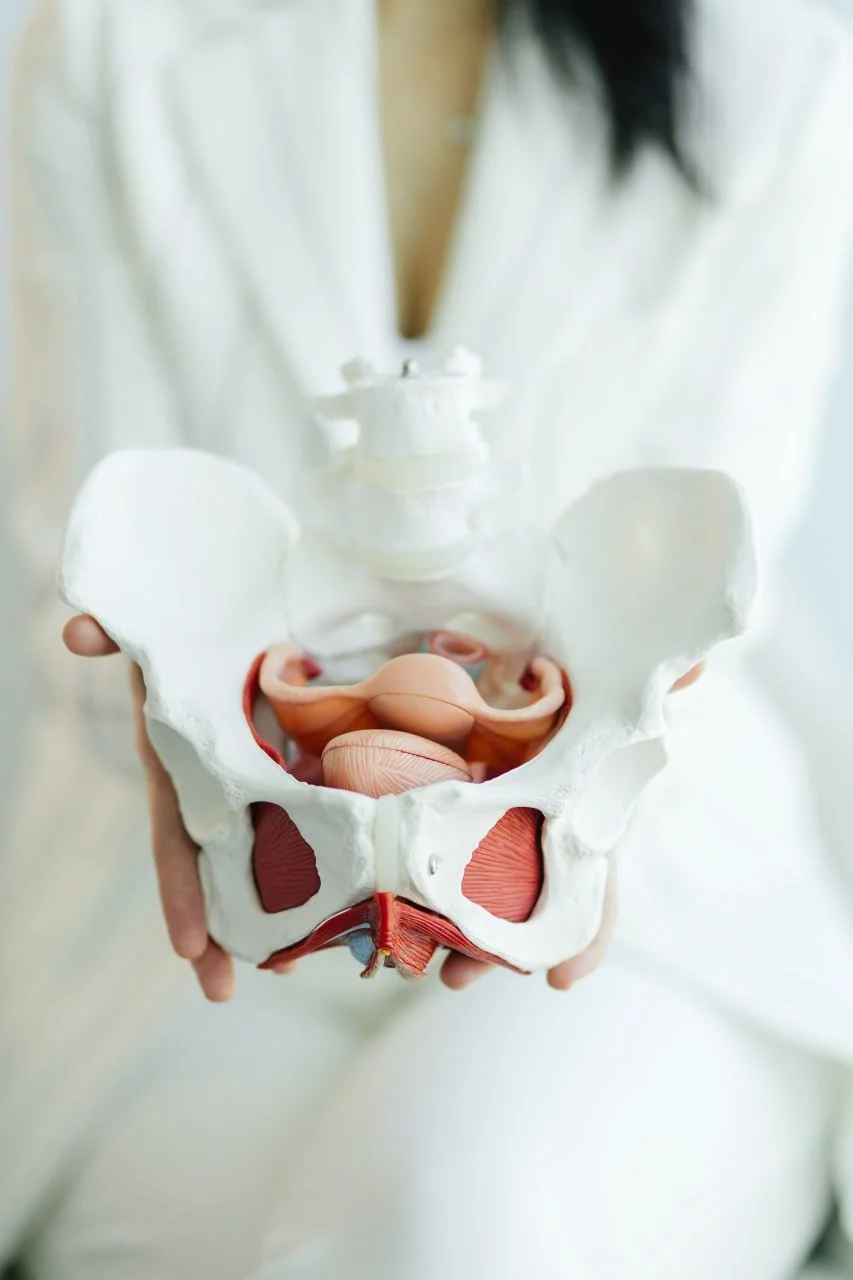


At Ova Women’s Health Physiotherapy in Burnaby, we specialize in pelvic floor and bladder dysfunction, including urinary urgency, frequency, difficulty emptying, bladder discomfort, and habit-driven bladder patterns. Our care is grounded in advanced clinical training, global education, and extensive experience treating complex pelvic floor and nervous system–driven conditions.
What makes Ova different:
✅ Advanced expertise in bladder and pelvic floor dysfunction
Bladder symptoms are rarely just a bladder issue. They often involve pelvic floor muscle coordination, nervous system regulation, breathing patterns, and learned habits. We perform detailed assessments to identify the true drivers of your symptoms rather than offering generic advice or one-size-fits-all solutions.
✅ Education-based care that targets habits, not just symptoms
Many bladder issues are reinforced by habits such as “just in case” peeing, rushing to the bathroom, or pushing to empty. We prioritize education, so you understand how your bladder and pelvic floor work together, allowing you to change habits safely, confidently, and without fear.
✅ Specialized biofeedback assessment with detailed clinical reporting
When appropriate, we use pelvic floor biofeedback as a clinical assessment and retraining tool to better understand how your pelvic floor muscles are functioning. Biofeedback allows us to assess muscle activity, relaxation ability, coordination, and how the pelvic floor responds during bladder-related tasks such as initiating and emptying urine.
This objective information helps us identify patterns such as pelvic floor overactivity, underactivity, or poor coordination that may not be apparent through symptoms alone. Following a biofeedback assessment, we provide detailed clinical reports that clearly outline the findings, explain how they relate to your symptoms, and guide your individualized treatment plan. This level of assessment and reporting is especially valuable when managing complex or long-standing pelvic floor and bladder conditions.
✅ Pelvic floor relaxation and coordination-focused treatment
Contrary to common belief, bladder symptoms often involve pelvic floor tension rather than weakness. Treatment may include pelvic floor relaxation training, breathing strategies, bladder retraining, nervous system down-regulation, and biofeedback-guided exercises when appropriate, all tailored to your specific presentation.
✅ A whole-body and nervous system–informed approach
Bladder function is closely linked to stress, posture, breathing, and how the nervous system interprets urgency. We assess and treat the entire system, not just the pelvic floor, to restore calm, control, and confidence around urination.
✅ Relief without fear-based restrictions
We avoid rigid rules and excessive “don’ts.” Instead, we teach you how to respond appropriately to bladder signals, how to trust your body again, and how to move through daily life without constantly thinking about the nearest bathroom.
✅ Compassionate, unhurried care in a supportive environment
Bladder symptoms can be frustrating, embarrassing, and emotionally exhausting. At Ova, you are listened to, believed, and supported. Appointments are private, unhurried, and focused entirely on understanding your experience and supporting meaningful change.
✅ Trusted by women across Burnaby, Vancouver, & the Lower Mainland
Women seek out Ova for expert pelvic floor physiotherapy when bladder symptoms are affecting their daily life, sleep, work, or confidence. Our reputation is built on education, clinical precision, and care that respects both your body and your lived experience.
If bladder habits or urinary symptoms are affecting how you plan your day, sleep at night, or trust your body, you don’t have to manage it alone. At Ova, we’re here to help you restore calm, control, and confidence in your pelvic health.
Ready to Begin?
Don’t wait. The sooner we start, the sooner you can feel stronger and more supported. Space is limited due to high demand, but if you’re ready to take the first step toward lasting pelvic health, we’re here to help.
📌Related Blogs on Our Website
➡️Restoring Bladder Control: Treatment of Urinary Urgency and Frequency
➡️Bowel & Bladder Issues During Pregnancy and Postpartum
➡️Stress and Pelvic Floor Tension: How Stress Impacts Your Pelvic Health
➡️Biofeedback: A Game Changer for Pelvic Floor Health
➡️Understanding Interstitial Cystitis/Painful Bladder Syndrome