Vulva Cleansing: Safe Hygiene for Optimal Health

When it comes to maintaining vulva health, simplicity is key. In fact, for many people, water alone is often more than enough to keep the vulva clean.
The vulva is a sensitive area with its own natural cleaning mechanisms, so over-cleansing or using unnecessary products can sometimes do more harm than good. That said, some people prefer to use a cleanser in their routine. If you fall into that category, it’s important to choose gentle and non-irritating products.
In this blog, we’ll explore why water can be sufficient for vulva hygiene, but also offer a complete guide to using safe cleansers for those who prefer a little extra.
⭐ Key Takeaways
Water is enough for daily vulva cleansing; the vagina and vulva have natural protective systems.
Overwashing and scented cleansers can cause irritation, dryness, and infections.
If you prefer a cleanser, choose gentle, fragrance-free, pH-balanced options such as Cetaphil, CeraVe Hydrating Cleanser, or Dove Sensitive.
Avoid salicylic acid, harsh exfoliants, antibacterial soaps, and anything scented.
Clean only the vulva, never inside the vagina; it is self-cleaning.
Persistent irritation may be linked to pelvic floor tension or nerve sensitivity, not hygiene alone.
Pelvic floor physiotherapy can help reduce chronic irritation, pain, and burning through personalized strategies.
If you want a complete, step-by-step guide to intimate hygiene covering cleansers, underwear, detergents, shaving, pH, products to avoid, and how to prevent infections, our Feminine Hygiene Guide offers everything you need in one place.
🎥 Watch: Vulva Hygiene: What's Safe & What's Causing Irritation | Ova Women's Health
Many cases of chronic vulvar irritation, burning, and recurring infections are directly linked to hygiene products and habits that disrupt the vulva's natural pH balance. In this video, our team at Ova Women's Health in Burnaby, BC explains what is safe to use, what to avoid, and how persistent vulvar irritation can be connected to pelvic floor tension and nerve sensitivity.
Why Water Alone is Often Enough
The vulva, the external part of the female genitalia, has a natural defence system that includes beneficial bacteria and layers of skin. These work together to keep harmful bacteria and infections at bay. The vagina, located internally, is self-cleaning and produces discharge, that has a moderately acidic pH, to help remove bacteria, dead cells, and other debris. Because of this natural system, you don’t need to use harsh soaps or scrubbing techniques on the vulva.
For most people, rinsing the vulva with lukewarm water is all that’s needed to maintain cleanliness. Water helps to remove sweat, bacteria, and dead skin cells without disrupting the vulva's delicate balance. Overuse of products, especially those that contain fragrances, dyes, or harsh chemicals, can lead to irritation, dryness, and even infections.
In many cases, less is more when it comes to vulva hygiene!
The Problem with Using Too Many Products
Using soaps, washes, or cleansers that aren’t designed for sensitive areas can lead to a range of issues, including:
Dryness: Many commercial soaps strip away natural oils from the skin, leaving it dry and prone to irritation.
Disrupted pH balance: The vagina has a naturally acidic pH (around 3.5 to 4.5), and using products with higher pH levels can alter this balance, making you more susceptible to infections.
Irritation: The skin of the vulva is more sensitive than the skin on other parts of the body. Harsh cleansers can lead to itching, redness, or even pain.
When and Why You Might Choose to Use a Cleanser
While water is sufficient for many, there are personal preferences and situations where people may want to use a cleanser. Some feel cleaner or more comfortable incorporating a gentle wash into their routine. Others may want to remove excess sweat after physical activities like exercising or simply prefer the fresh feeling a cleanser can provide.
If you do decide to use a cleanser, it’s crucial to pick one that won’t disrupt the natural balance of the vulva and the vagina. Below is a complete guide to using products safely for vulva care.
Guide to Safe Cleansers for the Vulva
For those who prefer to use a product in their hygiene routine, it’s essential to choose one that’s mild, fragrance-free, and pH-balanced. Here are some recommended products and tips for keeping your vulva healthy and irritation-free.

Cetaphil is known for its gentle and non-irritating formulas. This cleanser is soap-free and designed for sensitive skin, making it an excellent choice for vulva care. It doesn’t contain harsh chemicals, and its neutral pH ensures that it won’t disrupt the natural acidity of the vulva.
Why it works: Soap-free, non-comedogenic, and fragrance-free. It’s designed to hydrate the skin without causing irritation.

CeraVe’s formula is packed with ceramides and hyaluronic acid, which help to restore and maintain the skin’s moisture barrier. It’s gentle, non-irritating, and free from fragrances, which makes it a safe option for vulva care.
Why it works: Its hydrating properties help to protect sensitive skin from dryness. The added ceramides support the skin’s natural protective barrier, making it ideal for delicate areas like the vulva.

Dove’s Sensitive Skin soap is hypoallergenic and free from added fragrances, which makes it less likely to cause irritation. It’s designed to be mild and moisturizing, which helps to keep the vulva’s skin healthy and comfortable.
Why it works: It contains moisturizers that prevent dryness while being gentle enough for sensitive areas.
A Gentle Note Before We Continue
Did you know that many women spend hundreds of dollars treating infections and irritation that could be prevented simply by learning how to care for their intimate area properly?
With the right knowledge, you can protect yourself from unnecessary discomfort, reduce your risk of UTIs, and feel more confident in your body.
If you’ve ever wondered what’s truly safe to use and what might actually be harming your natural balance, this e-book was created for you.
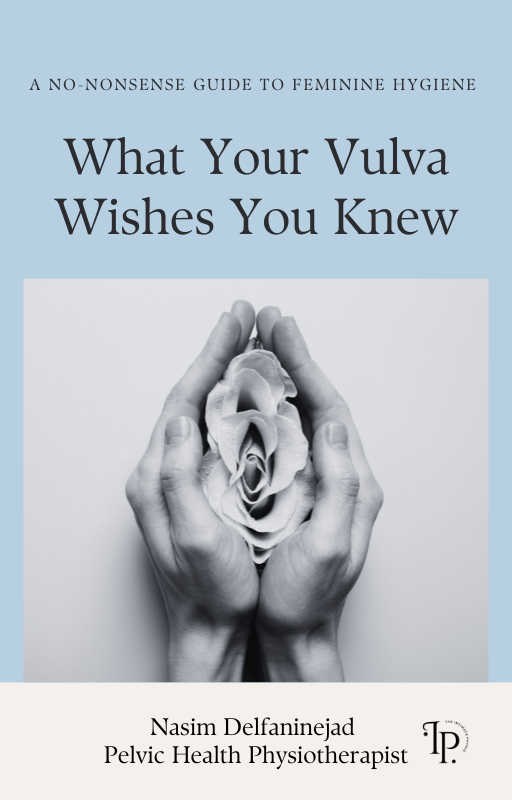
Discover the Essential Guide Every Woman Should Read
Created by an experienced pelvic floor physiotherapist specializing in pelvic pain, irritation, and women’s health, The Feminine Hygiene Guide brings years of clinical insight and research into one clear, empowering resource.
For just $9.99, you’ll gain the expert knowledge shared in professional sessions to help you stay balanced, confident, and irritation-free.
Avoid Cleansers with Salicylic Acid
While there are many safe products to use on the vulva, it’s important to avoid facial cleansers that contain salicylic acid. This ingredient is commonly used in acne treatments due to its ability to exfoliate and reduce oil buildup. However, the vulva doesn’t produce the same amount of oil as facial skin and salicylic acid can be far too harsh for this sensitive area.
Using products that contain salicylic acid on the vulva can lead to:
Dryness: Salicylic acid works by breaking down oils in the skin. When used on the vulva, it can strip away natural moisture, leaving the skin dry and uncomfortable.
Irritation: The exfoliating properties of salicylic acid can cause microtears in the delicate skin of the vulva, leading to inflammation, redness, and pain.
Increased sensitivity: With the skin already delicate, using strong exfoliants like salicylic acid can make the area more prone to irritation from clothing, personal care products, or even daily movement.
How to Properly Clean Your Vulva
Whether you use just water or incorporate a gentle cleanser, the method of cleaning is just as important as the product itself. Here’s how to properly clean your vulva:
Use lukewarm water: Hot water can strip away natural oils, leading to dryness. Opt for lukewarm water to maintain moisture.
Gently wash the external area: Focus on the external parts of the vulva (the labia and the skin surrounding the vaginal opening). There’s no need to clean inside the vagina, as it is self-cleaning.
Use your hands: Your hands are gentle enough for cleaning this sensitive area. Avoid washcloths, loofahs, or sponges, which can be too abrasive.
Rinse thoroughly: If you’re using a cleanser, make sure to rinse it off completely to avoid leaving any residue behind, which can cause irritation.
Pat dry: After cleaning, gently pat the area dry with a soft towel. Avoid rubbing, as this can irritate the sensitive skin of the vulva.
❓FAQs About Vulva Cleansing & Safe Intimate Hygiene
-
Most people do not. Water is usually enough.
But if you feel more comfortable using a cleanser, choose one that is gentle, fragrance-free, and pH-balanced. -
Avoid:
• Fragrances
• Dyes
• Salicylic acid
• Exfoliants
• “Feminine washes”
• Antibacterial soaps
• Essential oilsThese can cause dryness, burning, and recurrent irritation.
-
Your irritation may be related to:
• Pelvic floor muscle tension
• Skin sensitivities
• Overwashing
• Laundry detergents
• Tight clothing
• Waxing or shaving
• Underlying conditions like vestibulodynia -
No.
Products with salicylic acid, glycolic acid, or exfoliating agents can cause microtears, dryness, and burning.
-
No.
The vagina is self-cleaning. Washing internally can disrupt the natural flora and cause BV or yeast infections.
-
• Use lukewarm water
• Clean external areas only
• Use your hands, not washcloths
• Gently pat dry
• Use a gentle cleanser only if needed
-
No.
Most feminine washes cause more harm than good. Even “pH-balanced” ones often contain irritants.
-
• Wear cotton underwear
• Avoid scented detergents
• Change out of wet clothing quickly
• Keep products simple
Explore Our Recommended Products for Pelvic Health
Sexual Wellness, Postpartum, Pregnancy, and More
For a bonus point, check out Ova Women's Health Pelvic Physiotherapy’s Shop our recommended products! It's not just for cleaning the vulva—our curated selection focuses on pelvic health, postpartum care, pregnancy, sexual health, and everything you need to support your pelvic health and well-being, whether you're at home or travelling. Visit our page to explore all the essentials for your journey to optimal health.
📌Related Blogs on Our Website
➡️Urinary Urgency and Frequency
➡️Painful Orgasm: Causes, Treatment Options
➡️Relieving Vulvodynia: A Journey From Pain to Pleasure
📌 External Resources & References
⏩Cleveland Clinic – Vaginal Yeast Infection
⏩American College of Obstetricians and Gynecologists (ACOG) – Vulvar Skin Care Guidelines