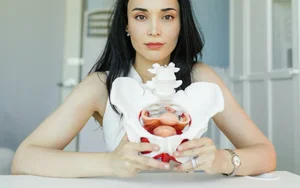
Yoni Eggs and Pelvic Floor Health: What Women Need to Know from a Pelvic Floor Physiotherapy Perspective
Yoni eggs have become increasingly visible in wellness spaces, social media, and conversations around women’s health. They are often promoted as tools to strengthen the pelvic floor, enhance sexual pleasure, improve bladder control, and restore vaginal tone. These claims can sound appealing, especially to women who are seeking non‑medical or “natural” ways to care for their bodies.
However, when we step away from marketing language and look at pelvic anatomy and muscle function, the picture becomes far more complex. Pelvic health is not about constant tightening or holding. Understanding how the pelvic floor actually works is essential before introducing any internal device, including yoni eggs.
⭐Key Takeaways
Yoni eggs are widely marketed for pelvic floor strengthening, but these claims are not supported by scientific evidence.
Healthy pelvic floor function requires balance, including the ability to contract, fully relax, and coordinate with breathing and movement.
Many women experience pelvic floor tension rather than weakness, and added gripping can worsen symptoms.
Using internal devices without assessment may increase pain, bladder or bowel symptoms, and muscle overactivity.
Pelvic floor physiotherapy provides assessment-based, individualized care that addresses function rather than trends.
🎥 Watch: Yoni Eggs & Pelvic Floor Health: What Physio Actually Says
Yoni eggs are widely marketed for pelvic floor strengthening and vaginal health, but clinical evidence tells a very different story. In this video, our pelvic floor physiotherapy team in Burnaby explains how the pelvic floor actually functions, why overactivity is more common than weakness, and why using internal devices without a proper assessment can worsen pelvic pain, sexual discomfort, and bladder symptoms.
What Are Yoni Eggs?
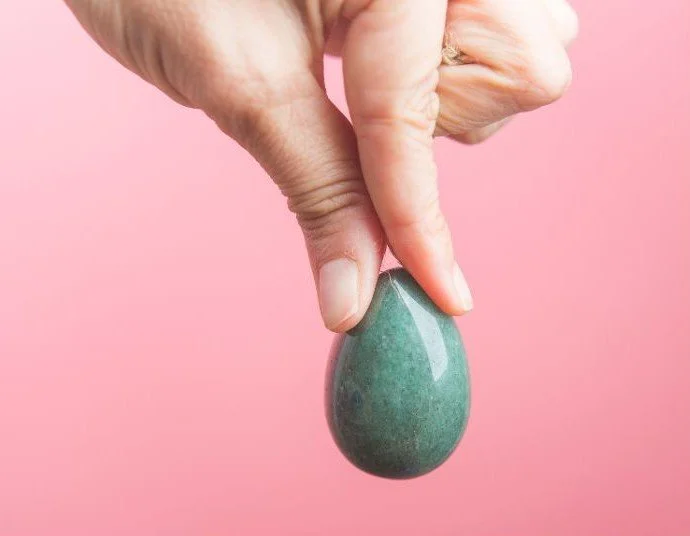
Yoni eggs are small, egg‑shaped objects, typically made from jade, quartz, or other stones, designed to be inserted into the vagina. They are often marketed with promises of pelvic floor strengthening, improved sexual sensation, hormonal balance, and overall vaginal health. In some practices, women are encouraged to keep the egg in place for extended periods or to perform daily activities while holding it.
While these practices are widely shared online, they are not grounded in clinical evidence or pelvic floor physiology.
How the Pelvic Floor Actually Functions
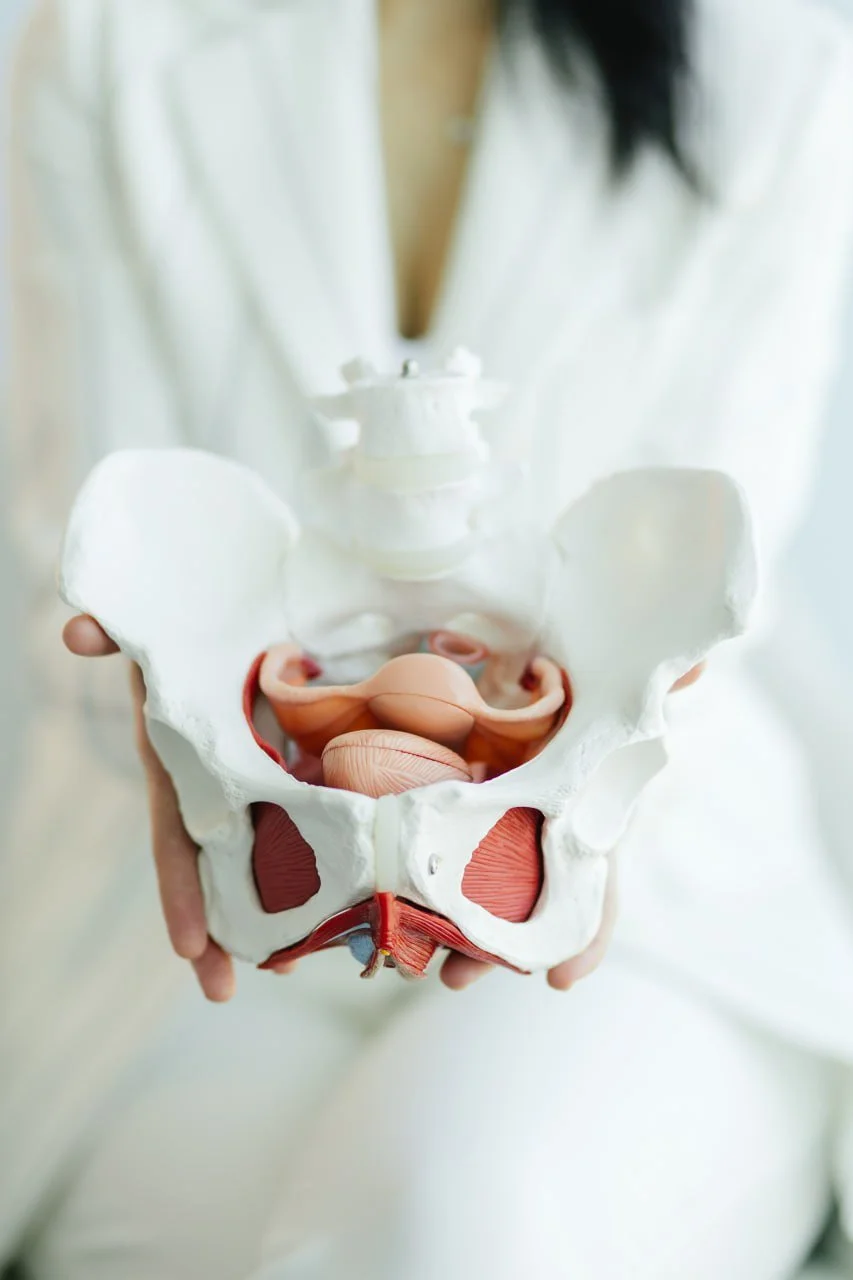
The pelvic floor is a group of muscles that support the bladder, uterus, and bowel. These muscles play an essential role in continence, sexual function, posture, and pressure management. Importantly, healthy pelvic floor function depends on balance. The muscles must be able to contract when needed, fully relax afterward, and coordinate with breathing and movement.
Contrary to popular belief, the pelvic floor is not designed to be constantly engaged. Continuous gripping or holding can disrupt normal muscle behaviour and interfere with coordination.
Why Strengthening Is Not Always the Answer
One of the most common misconceptions in pelvic health is that symptoms such as reduced sensation, bladder changes, or pelvic discomfort are always caused by weakness or low muscle tone. In clinical practice, many women actually present with pelvic floor overactivity rather than weakness due to underactivity. Muscles that are constantly tense can lead to pain, difficulty with bladder or bowel emptying, urinary incontinence and discomfort during intercourse.
In these cases, encouraging more contraction through internal devices can worsen symptoms rather than improve them.
Yoni Eggs and Pelvic Floor Training
Using a yoni egg requires holding an object inside the vagina, often by maintaining continuous muscle contraction. This approach does not reflect how the pelvic floor functions during daily activities. Effective pelvic floor training focuses on controlled contraction, full relaxation, and proper timing, not prolonged gripping.
Without assessment, it is impossible to know whether strengthening, relaxation, or coordination training is appropriate. Yoni eggs do not provide feedback on muscle quality, endurance, or relaxation ability, which are all critical aspects of pelvic health.
Potential Risks to Consider
While yoni eggs are often described as safe because they are natural, there are several considerations that are frequently overlooked. Prolonged holding can reinforce pelvic floor tension, particularly in women who already have difficulty relaxing these muscles. Increased tension may contribute to pelvic pain, discomfort during intercourse, or urinary symptoms.
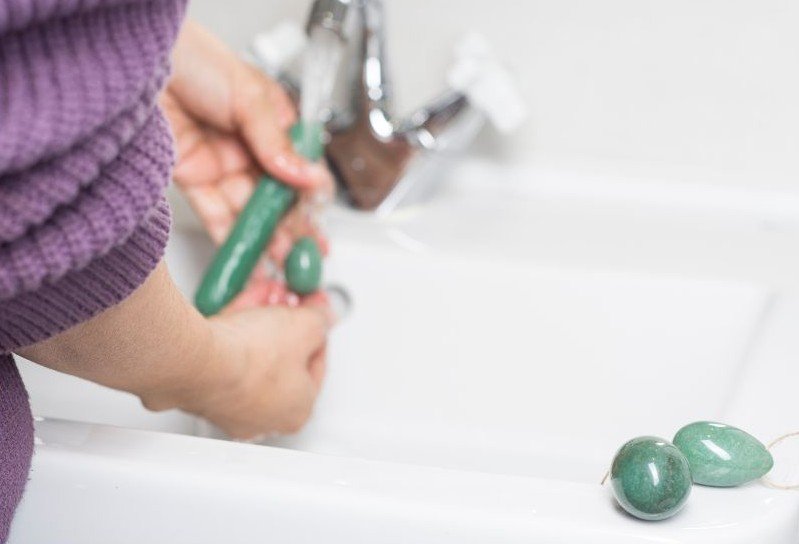
There are also hygiene concerns, especially with porous stone materials that may be very difficult to clean thoroughly. This can introduce bacteria into the vaginal environment and cause irritation, inflammation and infections. Additionally, relying on self‑directed devices can delay proper assessment and treatment when symptoms are present.
Why the Appeal Persists
Many women are drawn to yoni eggs because they are marketed through messages of empowerment, self‑connection, and reclaiming control over one’s body. While these intentions are understandable, empowerment should be rooted in accurate information and safety. Pelvic health care should not place the burden on women to self‑treat complex neuromuscular systems without guidance.
How Pelvic Floor Physiotherapy Approaches Pelvic Health

Pelvic floor physiotherapy begins with a detailed assessment. A pelvic floor physiotherapist evaluates muscle tone, coordination, relaxation ability, endurance, and how the pelvic floor responds to breathing and movement. This assessment guides an individualized treatment plan that may include relaxation techniques, coordination training, strengthening when appropriate, and education.
This approach recognizes that no two pelvic floors are the same and that treatment should be based on function rather than trends.
A Safer, More Informed Path Forward
Pelvic health is not about tightening or holding at all costs. It is about balance, awareness, and responsiveness. Introducing internal devices without understanding how the pelvic floor functions can lead to frustration or worsening symptoms.
Seeking evidence‑informed guidance allows women to make choices that support long‑term pelvic health rather than short‑term trends.
❓FAQs About Yoni Eggs and Pelvic Health
-
Yoni eggs are often marketed as pelvic floor strengthening tools, but there is no scientific evidence showing that they safely or effectively strengthen the pelvic floor. Pelvic floor strength depends on coordinated contraction and full relaxation, not prolonged gripping or holding an object internally.
-
Yoni eggs are not inherently safe. Using internal devices without assessment may increase pelvic floor tension, contribute to pain, urinary symptoms, or discomfort during intercourse, and pose hygiene risks, especially with porous stone materials.
-
There is no evidence that yoni eggs improve bladder control or urinary incontinence. In some cases, increased pelvic floor tension from gripping may actually worsen bladder emptying or urgency symptoms.
-
No. Pelvic floor exercises involve intentional, guided contraction and relaxation with proper timing and progression. Holding a yoni egg encourages constant contraction and does not address relaxation, coordination, or breathing patterns.
-
Yoni eggs should be avoided by women with pelvic pain, painful intercourse, difficulty emptying the bladder or bowels, a history of pelvic floor tension, or anyone who has not had a pelvic floor assessment.
-
Professional assessment is recommended if there is pelvic pain, urinary or bowel symptoms, changes in sexual comfort, or uncertainty about pelvic floor exercises. Early assessment helps prevent worsening symptoms and unnecessary self-treatment.
Final Thoughts
Yoni eggs are often promoted as simple solutions to complex pelvic health concerns. In reality, pelvic floor function requires nuance, assessment, and individualized care.
Before using any internal device, understanding how your pelvic floor functions is essential. Evidence‑informed education remains the most reliable foundation for lasting pelvic health.
Why Choose Ova Women’s Health in Burnaby, BC?
Concerns about pelvic floor strength, vaginal tone, or sexual function are often oversimplified or dismissed, leaving many women unsure where to turn for reliable guidance. At Ova, pelvic health is approached with clinical precision, education, and respect.
At Ova Women’s Health Physiotherapy, we specialize in pelvic floor assessment and treatment across all life stages. Our care is grounded in advanced clinical training, global education, and extensive experience treating complex pelvic floor and sexual health conditions.



What makes Ova different:
✅ Advanced expertise in pelvic floor dysfunction
Pelvic floor concerns are rarely one-dimensional. We perform detailed assessments to understand muscle tone, coordination, relaxation ability, and how the pelvic floor responds to breathing, movement, and daily demands, rather than relying on generic solutions.
✅ Education-based care rooted in anatomy and physiology
We prioritize education so women understand how their pelvic floor actually functions. This allows informed decisions based on evidence, not trends or marketing claims.
✅ Specialized biofeedback assessment with detailed clinical reporting
When appropriate, we use pelvic floor biofeedback as a clinical assessment and retraining tool. Biofeedback allows us to objectively assess muscle activity, relaxation, coordination, and response to functional tasks. Following assessment, we provide detailed clinical reports that explain findings, relate them to symptoms, and guide individualized treatment plans.
✅ Individualized treatment rather than one-size-fits-all approaches
Treatment may include relaxation strategies, coordination training, strengthening when appropriate, breathing techniques, and nervous system regulation. Care is always tailored to the individual rather than assuming weakness or prescribing devices.
✅ Compassionate, unhurried care in a supportive environment
Pelvic health concerns can be personal and emotionally complex. Appointments at Ova are private, unhurried, and focused entirely on listening, understanding, and supporting meaningful change.
✅ Trusted by women across Burnaby, Vancouver, and the Lower Mainland
Women seek out Ova for expert pelvic floor physiotherapy when symptoms affect comfort, confidence, or quality of life. Our reputation is built on education, clinical expertise, and care that respects women’s bodies and lived experiences.
Ready to Begin?
Don’t wait. The sooner we start, the sooner you can feel stronger and more supported. Space is limited due to high demand, but if you’re ready to take the first step toward lasting pelvic health, we’re here to help.
📌Related Blogs on Our Website
➡️What Happens When You Pee Just In Case?
➡️Painful Intercourse: A Comprehensive Guide
➡️Does Intercourse Loosen the Vagina?
➡️Stress and Pelvic Floor Tension
➡️Vaginal Dilators: A Key Tool in Pelvic Floor Physiotherapy