Why You Always Feel Like You Need to Pee: Urgency, Frequency, and Peezing Explained
Bladder urgency, frequency, and leakage are incredibly common. Many women assume these symptoms are simply part of aging, childbirth, or “just how my body works.” But bladder function is highly trainable, and daily habits play a powerful role.
This guide explains what normal bladder behaviour looks like, what habits may be worsening symptoms, how bladder irritants fit into the picture, and when pelvic floor physiotherapy may help.
It is also important to understand that urgency and frequency are different from "Peezing" (leaking with sneezing or jumping). These conditions have different drivers and require different treatment approaches.
⭐Key Takeaways
Normal urination frequency is every 2–4 hours during the day and 0–1 times at night (after the age of 55).
Urinary urgency (a sudden, strong need to go) and urinary frequency (going too often) are different from Peezing.
Peezing (leaking with coughing, sneezing, laughing, or jumping) is a pressure management issue, not a bladder irritant issue.
“Just in case” voiding can retrain the bladder to signal urgency too early.
Holding urine too long can overstretch the bladder and disrupt healthy signalling.
Caffeine and carbonation can irritate the bladder and worsen urgency.
Urgency and frequency often improve with bladder retraining and pelvic floor coordination work.
🎥Watch: Why You Always Feel Like You Need to Pee: Urgency, Frequency & Bladder Control
This video explains why bladder urgency and frequency cause the constant need to pee, how pelvic floor dysfunction contributes to symptoms, and how pelvic floor physiotherapy helps restore bladder control.
What Is Normal Bladder Behaviour?
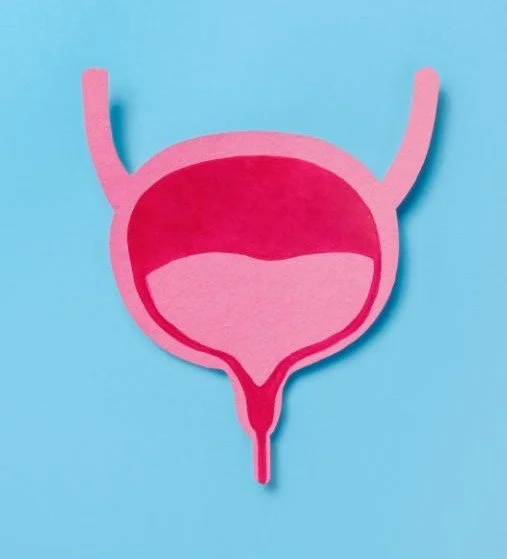
A healthy bladder fills gradually and sends a calm signal when it reaches an appropriate volume.
Normal patterns include:
Urinating every 2–4 hours during the day
Sleeping through the night or waking no more than 0–1 times to urinate. Waking up once after the age of 55 is considered normal.
Passing a steady stream without pushing or straining
Feeling relieved after emptying
If you are urinating much more frequently, feeling intense urgency with small amounts, or leaking before reaching the bathroom, your bladder signalling system may need retraining.
Urgency and Frequency: What Do They Mean?
Urinary urgency is a sudden, strong need to urinate that feels difficult to delay.
Urinary frequency means going to the bathroom more often than normal, typically more frequently than every 2 hours during the day.
These symptoms are often related to:
Bladder hypersensitivity
Irritation from diet or beverages
Habit patterns such as “just in case” voiding
Pelvic floor overactivity
Urgency and frequency are largely bladder signaling problems. In many cases, they respond well to bladder retraining and pelvic floor coordination work.
Bladder Habits That Can Make Symptoms Worse
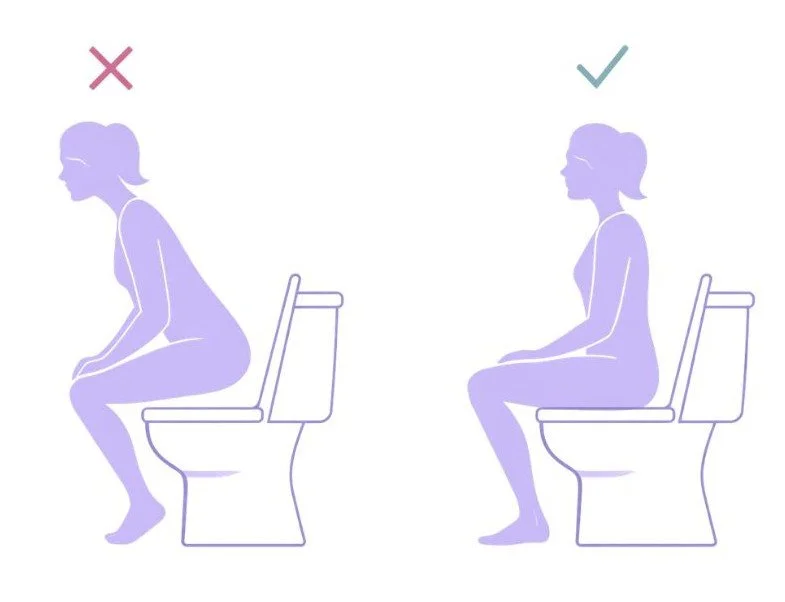
1. Hovering Over the Toilet
Hovering keeps the pelvic floor partially contracted. When the muscles cannot fully relax, the bladder may not empty completely, increasing frequency and irritation.
Whenever possible, sit fully to allow proper relaxation.
2. “Just in Case” Voiding
Emptying your bladder before leaving the house or simply because it feels convenient may seem preventative. But urinating without a true urge teaches the bladder that small volumes equal “go now.”
Over time, this lowers your urgency threshold and can lead to:
Increased frequency
False urgency signals
Urgency leakage
Bladder retraining helps restore appropriate signalling.
3. Holding It Too Long
Regularly delaying urination for long periods can overstretch the bladder. Overstretching may interfere with normal sensory feedback and make it harder to recognize fullness.
Both extremes, going too early or waiting too long, disrupt healthy bladder patterns.
4. Pushing or “Power Peeing.”
Urination should be passive.
Straining or rushing increases abdominal pressure and places stress on the pelvic floor. Over time, this may contribute to dysfunction and incomplete emptying.
Sit, relax your abdomen, allow your pelvic floor to soften, and let urine flow naturally
Bladder Irritants: What They Are and Why They Matter

The bladder lining is sensitive. Certain foods and drinks can stimulate urgency or increase irritation.
Common bladder irritants include:
Caffeine
Carbonated beverages (including sparkling water)
Alcohol
Artificial sweeteners
Spicy foods
Acidic foods and drinks (such as citrus and tomatoes)
Reducing irritants often improves urgency and frequency.
Coffee and Caffeine: A Common Trigger
Because coffee is so widely consumed, it deserves special attention.
Caffeine affects the bladder in two main ways:
It acts as a diuretic.
Caffeine reduces the effect of antidiuretic hormone (ADH), causing the kidneys to produce more urine. The bladder fills faster, leading to more frequent trips.It irritates the bladder lining.
Caffeine can stimulate urgency signals even when the bladder is not completely full.
For women with urgency or frequency, reducing caffeine intake often helps.
What Is Peezing?
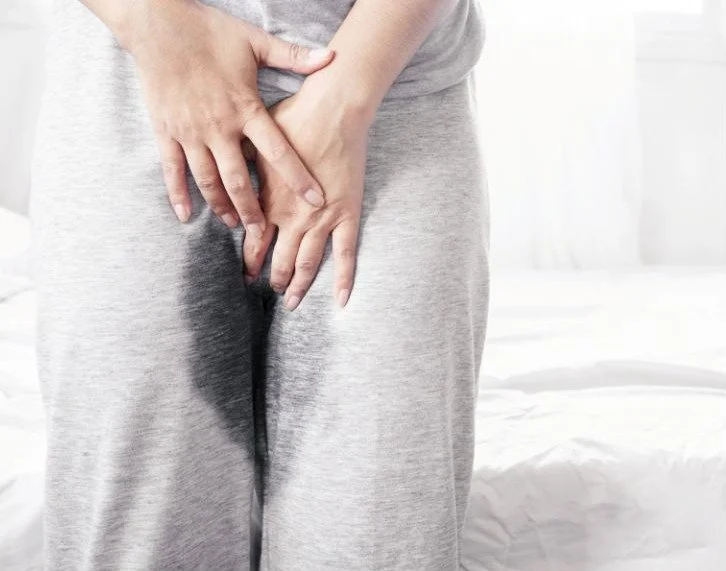
"Peezing" describes leaking urine when sneezing, coughing, laughing, jumping, or lifting. Clinically, this is called Stress Urinary Incontinence.
Peezing happens when abdominal pressure suddenly increases, and the pelvic floor muscles cannot respond quickly or strongly enough to support the urethra.
Common triggers include:
Sneezing
Coughing
Jumping
Running
Lifting
Peezing is a pressure management and muscle coordination problem. It is not caused by caffeine, bladder irritants, or bladder hypersensitivity.
This distinction is critical:
Urgency and frequency are bladder signalling issues.
Peezing is a mechanical support issue.
Because the causes differ, the treatments differ.
While urgency may improve with habit changes and irritant reduction, Peezing usually requires targeted pelvic floor rehabilitation, coordination training, and pressure management strategies.
We have a dedicated in-depth blog explaining peezing, its causes, and evidence-based treatment approaches. If this sounds familiar, you can read the full guide here:” Peezing.”
❓FAQs About Why You’re Always Peeing
-
Every 2–4 hours is considered normal for most adults.
-
Common bladder irritants include:
Coffee and other caffeinated beverages
Energy drinks
Black and green tea
Carbonated drinks (including sparkling water)
Alcohol
Artificial sweeteners (such as aspartame and saccharin)
Spicy foods
Citrus fruits and juices
Tomato-based products
Chocolate
Dairy
Not every woman reacts to every item. Identifying your personal triggers is often more helpful than eliminating everything at once.
-
Certain habits can reinforce bladder hypersensitivity, including:
Peeing "just in case" without a true urge
Drinking very small amounts of fluid throughout the day instead of spacing hydration
Restricting fluids excessively
Hovering over the toilet instead of sitting fully
Rushing, pushing, or straining during urination
Ignoring strong urges repeatedly
These behaviours can confuse bladder signalling and contribute to ongoing urgency and frequency.
-
Urgency is a sudden, strong need to urinate caused by bladder signalling. Peezing is leakage caused by increased abdominal pressure when the pelvic floor cannot provide enough support.
-
Often, it can improve it significantly; however, in many cases, other contributing actors should also be considered and addressed. Many women notice improvement when reducing caffeine, carbonation, and other irritants.
-
Yes! The treatment approach differs depending on the underlying cause. Assessment determines the correct strategy.
-
This usually indicates bladder hypersensitivity or pelvic floor overactivity rather than true fullness.
Final Thoughts
Bladder symptoms are not all the same. Urgency and frequency are largely about bladder signalling and habit patterns. Peezing is about pressure and pelvic floor support.
Understanding this distinction is the first step toward effective treatment.
Reducing irritants, improving voiding habits, and retraining the bladder can significantly improve urgency and frequency. If you experience peezing, targeted pelvic floor assessment and rehabilitation are usually required.
Ova Women’s Health Physiotherapy in Burnaby, BC: Evidence-Based Pelvic Floor Care
When navigating urinary urgency, frequency, or Peezing, it can be difficult to determine which system is driving symptoms. This is where assessment-based pelvic floor care becomes essential.
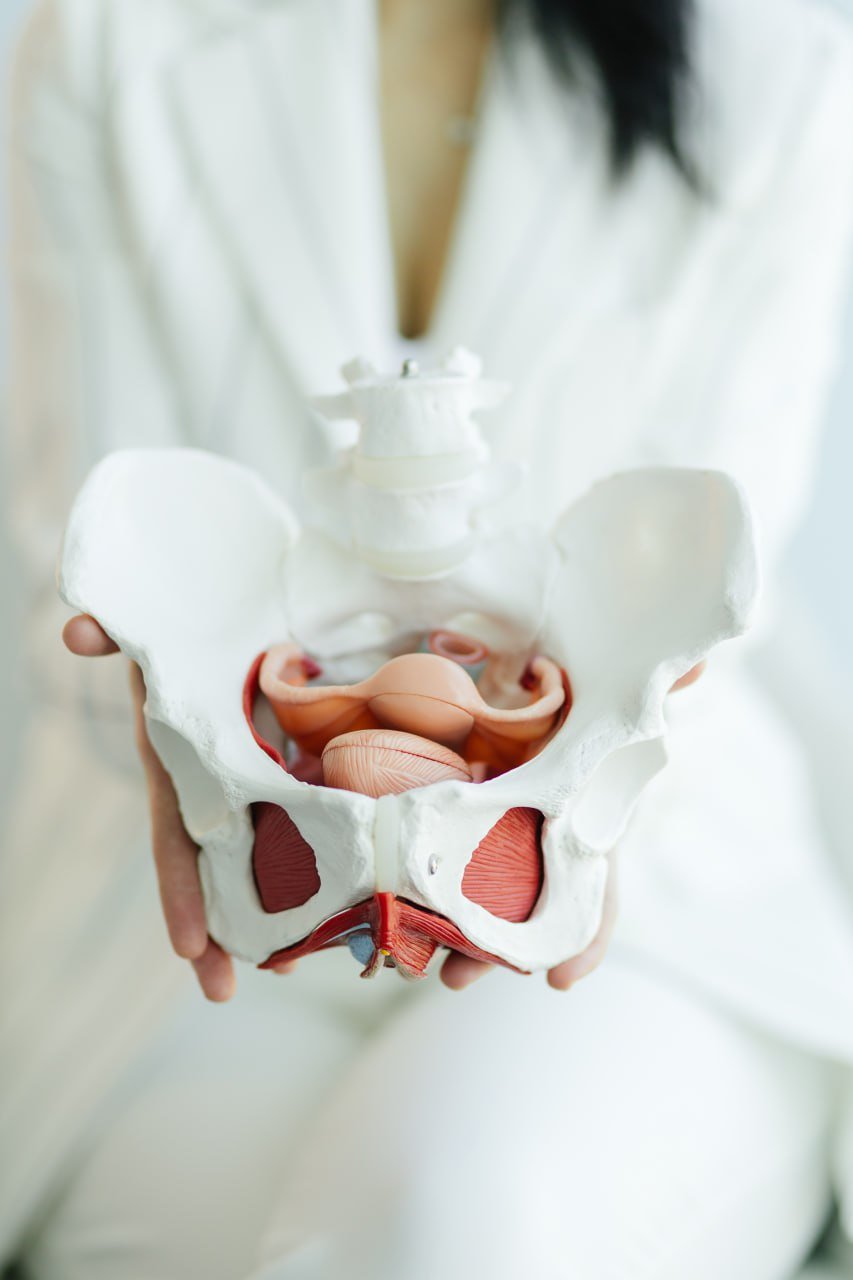
At Ova Women’s Health Physiotherapy, we evaluate bladder signalling, pelvic floor coordination, pressure management, and muscle function to determine the true source of symptoms. Rather than offering generic advice, we perform detailed assessments and create individualized treatment plans.



What makes Ova different:
✅ Advanced expertise in pelvic floor dysfunction
We assess muscle tone, coordination, relaxation ability, pressure management, and bladder signaling patterns.
✅ Education-based care rooted in anatomy and physiology
We teach women how bladder function and pelvic floor support differ, empowering informed decision-making.
✅ Specialized biofeedback assessment with detailed clinical reporting
When appropriate, we use pelvic floor biofeedback to objectively evaluate muscle activity, timing, relaxation, and response to functional tasks. Following assessment, we provide detailed clinical reports that connect findings to symptoms and guide individualized treatment planning.
✅ Individualized treatment rather than one-size-fits-all approaches
Care may include bladder retraining, pelvic floor strengthening, coordination work, pressure management strategies, or down-training depending on the diagnosis.
✅ Compassionate, unhurried care in a supportive environment
Urinary symptoms can feel embarrassing and frustrating. Appointments are private, respectful, and focused on sustainable improvement.
✅ Trusted by women across Burnaby, Vancouver, and the Lower Mainland
Women seek out Ova for expert pelvic floor physiotherapy when urgency, frequency, or peezing affects daily life and confidence.
Ready to Begin?
Don’t wait. The sooner we start, the sooner you can feel stronger and more supported. Space is limited due to high demand, but if you’re ready to take the first step toward lasting pelvic health, we’re here to help.
📌Related Blogs on Our Website
➡️What Happens When You Pee Just In Case?
➡️Pelvic Floor Physiotherapy For Urinary and Fecal Incontinence
➡️The Ultimate Guide to Pelvic Health
➡️Managing Bowel & Bladder Issues During Pregnancy and Postpartum