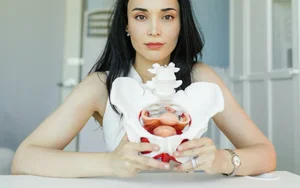
Congested Pelvic Syndrome
Congested Pelvic Syndrome (C.P.S.) is a medical condition characterized by a buildup of blood in the veins of the pelvic region, leading to discomfort and various associated symptoms. While the condition can be debilitating, the good news is that effective treatment options are available. Among them, Pelvic Floor Physiotherapy stands out as a primary and non-invasive approach to managing and alleviating symptoms. This article delves into the intricacies of Congested Pelvic Syndrome and underscores the pivotal role of Pelvic Floor Physiotherapy in its treatment.
⭐ KEY TAKEAWAYS
Congested Pelvic Syndrome (CPS) occurs when pelvic veins become dilated or unable to return blood efficiently, leading to pooling, heaviness, pressure, and chronic pelvic pain.
CPS is frequently misunderstood or misdiagnosed, especially when symptoms overlap with pelvic floor dysfunction, hormonal changes, or chronic pain conditions.
The pelvic floor functions like a “sump pump,” helping with venous and lymphatic return. When these muscles are weak, overactive, or uncoordinated, congestion symptoms can worsen.
Pelvic Floor Physiotherapy is a highly effective, non-invasive treatment for CPS because it restores circulation, improves muscle function, reduces pelvic pressure, and alleviates pain.
Treatment includes manual therapy, biofeedback, circulation-focused exercises, breathing retraining, and whole-body strategies to reduce venous stasis.
Physiotherapy addresses both the symptoms and the underlying contributors, offering long-term relief without procedures or surgery in most cases.
A personalized approach is essential, as CPS may stem from pregnancy, hormonal shifts, pelvic surgery, muscle tension, or lifestyle factors.
🎥 Watch: Pelvic Congestion Syndrome — Why It Happens & How Physio Treats It
This video explains how pelvic congestion syndrome (CPS) causes chronic pelvic pain, pelvic heaviness, and pelvic pressure through venous pooling and pelvic floor dysfunction. Learn how pelvic floor physiotherapy in Burnaby treats the root cause of pelvic congestion syndrome with manual therapy, biofeedback, and circulation-focused exercises to reduce pain and restore pelvic function.
Understanding Congested Pelvic Syndrome

Congested Pelvic Syndrome occurs when there is an increased pressure or blockage in the pelvic veins, leading to blood pooling. This pooling of blood can cause a range of symptoms, including:
Pelvic pain or discomfort
A sensation of heaviness and pressure in the pelvis
Varicose veins in the pelvic area
Abdominal bloating
The exact cause of C.P.S. can vary, including factors like pregnancy, pelvic surgery, or hormonal changes. Proper diagnosis by a healthcare professional is crucial to differentiate C.P.S. from other conditions with similar symptoms.
“Sump-Pump” Role of the Pelvic Floor Muscles
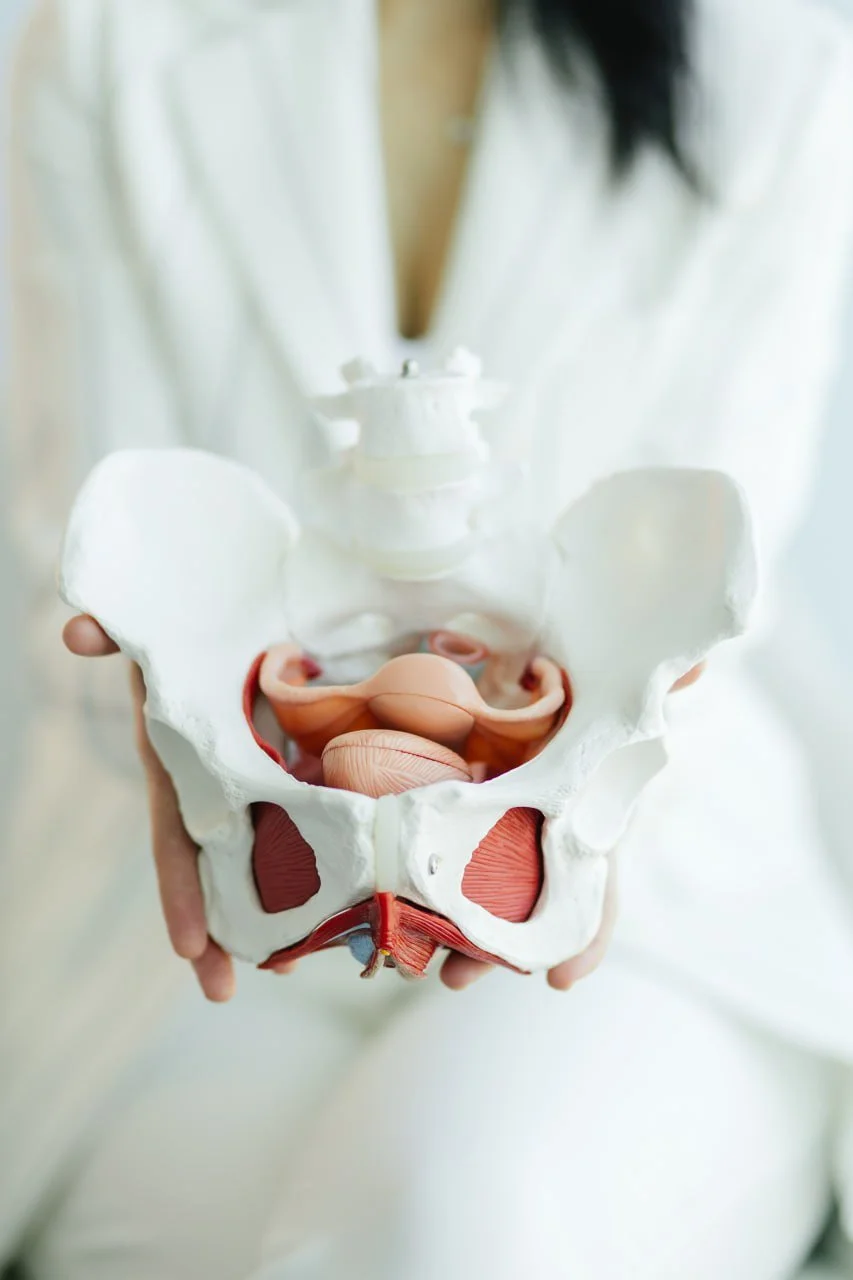
The pelvic floor muscles are a group of muscles situated at the base of the pelvis, forming a hammock-like structure that supports the pelvic organs, including the bladder, uterus (in females), and rectum. These muscles play a crucial role in various bodily functions, including maintaining continence, supporting pelvic organs, and contributing to sexual function.
Like a venous and lymphatic pump, the pelvic floor muscles play a crucial role in the circulation of blood and lymphatic flow in the pelvis. Here's how:
Blood Circulation:
Venous Return: Contraction and relaxation of the pelvic floor muscles can assist in venous return, helping blood flow back to the heart. Proper circulation is essential for delivering oxygen and nutrients to tissues while removing waste products.
Hemorrhoid Prevention: Strong pelvic floor muscles can contribute to preventing conditions like hemorrhoids by supporting blood vessels and reducing the risk of blood pooling in the pelvic region.
Lymphatic Flow:
Fluid Drainage: The rhythmic contractions of the pelvic floor muscles can aid in the movement of lymphatic fluid. The lymphatic system plays a crucial role in removing waste products and excess fluids from tissues, helping to maintain a healthy environment within the body.
Immune System Support: Efficient lymphatic flow supported by well-functioning pelvic floor muscles contributes to a robust immune system by facilitating the transport of immune cells and eliminating toxins.
Maintaining the health and strength of the pelvic floor muscles is vital for optimizing their role in blood circulation and lymphatic flow.
The Importance of Pelvic Floor Physiotherapy
Pelvic Floor Physiotherapy is an effective treatment approach in the management of Congested Pelvic Syndrome. This specialized form of physiotherapy focuses on the muscles, ligaments, and connective tissues that support the pelvic organs. Here's how Pelvic Floor Physiotherapy plays a pivotal role in the management of this condition:
Muscle Rehabilitation
Through targeted exercises and techniques, Pelvic Floor Physiotherapy aims to strengthen and rehabilitate the pelvic floor muscles. By doing so, it helps improve blood circulation and alleviate the pressure in the pelvic region, thereby reducing symptoms associated with C.P.S.
Many think of pelvic floor physiotherapy and Kegels to be synonymous; however, Kegels are not always the answer to every pelvic floor dysfunction. A trained pelvic floor physiotherapist can devise a personalized program to improve the function of your pelvic floor muscles and help alleviate your symptoms.
Pain Management
One of the primary objectives of Pelvic Floor Physiotherapy is to manage pain effectively. Therapists employ various manual techniques, including massage and myofascial release, to relieve muscle tension and reduce pelvic pain associated with C.P.S.
Education and Lifestyle Modifications
Pelvic Floor Physiotherapy goes beyond physical exercises. Patients receive valuable education about lifestyle modifications, including dietary changes and posture adjustments, which can significantly impact the management of C.P.S.
Benefits of Pelvic Floor Physiotherapy for C.P.S
Non-Invasive: Unlike surgical interventions, Pelvic Floor Physiotherapy offers a non-invasive approach to managing C.P.S., minimizing risks and recovery time. Techniques, including the use of Biofeedback, Manual Assessments and treatments, can help improve the function of the pelvic floor muscles and alleviate the symptoms of C.P.S.
Personalized Treatment: Each patient receives a customized treatment plan tailored to their specific symptoms and needs, ensuring optimal outcomes.
Holistic Approach: Pelvic Floor Physiotherapy addresses not just the symptoms but also the underlying causes of C.P.S. that fall under the scope of physiotherapy practice, promoting long-term relief and improved quality of life.
❓FAQs About Congested Pelvic Syndrome (CPS)
-
Congested Pelvic Syndrome is a condition where blood pools in the veins of the pelvis due to increased venous pressure, weakened vein walls, or impaired circulation. This can lead to pelvic pain, heaviness, bloating, and urinary or sexual discomfort. CPS is often underdiagnosed because its symptoms can mimic other pelvic conditions.
-
CPS can develop for several reasons, including:
Pregnancy and postpartum changes
Pelvic surgery
Hormonal influences
Weakened vein valves
Increased pelvic pressure
Chronic constipation or straining
Pelvic floor dysfunction
In many women, CPS results from a combination of circulatory issues and changes in pelvic floor muscle function.
-
Women with CPS commonly report:
Pelvic heaviness or pressure
Aching pain that worsens throughout the day
Pain after standing or sitting for long periods
Visible vulvar or pelvic varicose veins
Increased urinary frequency or urgency
Discomfort during intercourse
Abdominal or pelvic bloating
Symptoms often fluctuate with posture, activity level, and menstrual cycle.
-
CPS is not life-threatening, but it can significantly reduce quality of life if untreated. Chronic pooling of blood can contribute to persistent pelvic pain, pelvic congestion, and nervous system sensitization. Early intervention helps prevent symptoms from worsening.
-
Diagnosis may involve:
Pelvic exam
Ultrasound or Doppler imaging
CT or MRI (in more complex cases)
Assessment by a pelvic floor physiotherapist to evaluate muscle tension, weakness, and coordination
Because CPS shares symptoms with endometriosis, vulvodynia, pudendal neuralgia, and other pelvic pain conditions, a thorough assessment is essential.
-
Yes. The pelvic floor acts as a “sump pump” for pelvic circulation. When the muscles are weak, tight, or uncoordinated, the venous and lymphatic flow becomes compromised. This can worsen pooling, heaviness, and discomfort.
Improving the function of the pelvic floor can significantly reduce symptoms for many women.
-
Pelvic floor physiotherapy addresses both muscular and circulatory contributors to CPS by:
Improving pelvic floor muscle function
Reducing tension and overactivity
Enhancing venous and lymphatic return
Supporting posture and alignment
Minimizing pressure on pelvic veins
Teaching strategies to manage heaviness and swelling
Techniques may include manual therapy, biofeedback, relaxation retraining, personalized exercises, breathwork, and circulatory-focused interventions.
-
Most women do not need surgery. Pelvic floor physiotherapy is a primary, evidence-based, non-invasive treatment. In some cases, medical management or vascular procedures may be considered, but physiotherapy remains essential for restoring pelvic function and preventing recurrence.
-
Yes. Many women experience:
Pain with intercourse
Pelvic pressure during arousal
Burning or throbbing after sex
Reduced desire due to discomfort
Physiotherapy helps by improving circulation, reducing muscle tension, and addressing nerve sensitivity.
-
Most women begin seeing changes within a few weeks, but long-standing cases may require several months. Consistency and individualized treatment greatly influence outcomes.
Why Choose Ova for Congested Pelvic Syndrome Care in Burnaby, BC?
At Ova, we do more than treat pelvic pain. We help you understand your body, restore balance, and feel like yourself again.
Congested Pelvic Syndrome is complex, and many women spend years searching for answers. Our clinic brings advanced pelvic floor training, global expertise, and experience treating over 2,000 complex pelvic pain cases to ensure you receive an accurate assessment and meaningful relief.


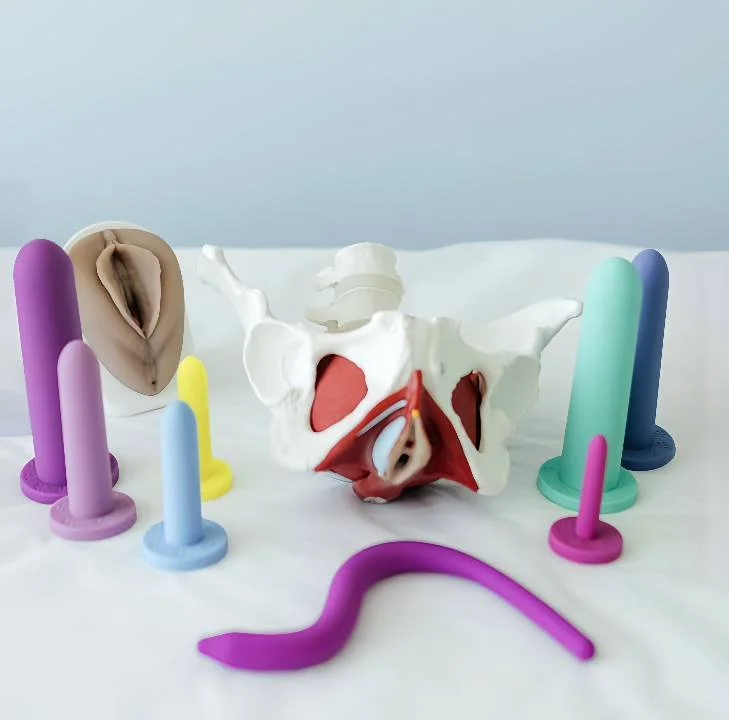
Here’s what makes Ova different:
We understand the circulatory role of the pelvic floor
Our approach goes beyond muscle strength. We assess how your pelvic floor supports venous and lymphatic return, your breathing patterns, your posture, and how all of these influence symptoms of congestion.
We create personalized, evidence-informed treatment plans
Whether your CPS is linked to pregnancy, hormonal changes, nerve sensitivity, pelvic muscle tension, or abdominal pressure, your care plan is tailored specifically to your body and symptoms.
Advanced tools for precision care
We use biofeedback, manual therapy, and targeted pelvic floor retraining to improve circulation, reduce heaviness, and support long-term recovery.
Holistic support, not quick fixes
We help you understand why your symptoms developed and how to prevent flare-ups because our goal is lasting relief, not repeated appointments.
Trusted by women across Burnaby and the Lower Mainland
Women travel to Ova for complex pelvic conditions because they know they will be heard, understood, and treated with expertise and compassion.
If you’re experiencing pelvic heaviness, pressure, or pain, you don’t have to navigate it alone. We are here to support you every step of the way.
Ready to Begin?
Don’t wait. The sooner we start, the sooner you can feel stronger and more supported. Space is limited due to high demand, but if you’re ready to take the first step toward lasting pelvic health, we’re here to help.
📌Related Blogs on Our Website
➡️Relieving Vulvodynia: A Journey From Pain to Pleasure
➡️Painful Intercourse: A Comprehensive Guide
➡️Vaginismus & The Role Of Pelvic Floor
📌External Resources
🌐Cleveland Clinic – Pelvic Congestion Syndrome
🌐National Library of Medicine-Chronic Pelvic Pain & Venous Congestion Research