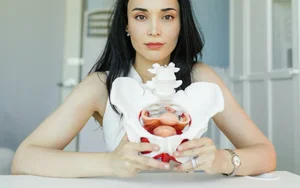
The Essential Guide to Cesarean Birth Rehabilitation
A Cesarean birth (C-section) is a safe and thoughtfully performed surgical procedure that welcomes your baby into the world with precision and care. While the experience is beautiful, the healing process afterward is unique. A C-section involves several layers of abdominal and uterine incisions, and although these layers close and heal, the resulting scar can influence how your body moves, feels, and functions.
Post-Cesarean rehabilitation plays a crucial role in restoring core strength, managing scar-related symptoms, and supporting long-term pelvic health. This guide outlines why scar rehabilitation matters, common challenges after a C-section, and how pelvic floor physiotherapy can help you heal with confidence.
⭐Key Takeaways
Cesarean scars can affect abdominal mobility, pelvic floor function, and overall core strength.
Untreated scar restrictions can contribute to back pain, urinary leakage, constipation, pelvic pain, and pain during intercourse.
Pelvic floor physiotherapy helps restore deep core strength, improve scar mobility, and reduce symptoms associated with adhesions and muscle dysfunction.
A personalized rehabilitation plan can prevent long-term complications and support a smoother postpartum recovery.
Early intervention leads to better scar healing, improved comfort, and stronger overall function.
🎥 Watch: C-Section Recovery: Scar Rehab & Pelvic Floor Physio Guide
A cesarean birth involves multiple layers of surgical incision, and the scar tissue that forms can create adhesions that restrict abdominal mobility, affect pelvic floor function, and contribute to back pain, urinary leakage, and painful intercourse if left untreated. In this video, our team at Ova Women's Health in Burnaby, BC explains how cesarean scar massage, deep core retraining, pelvic floor physiotherapy, and biofeedback work together to support a full postpartum recovery.
How Can Rehabilitation After Cesarean Birth Help?

Recovery after a C-section is more than waiting for tissues to heal; it requires restoring the function of your abdominal wall, core muscles, and pelvic floor. Scar tissue that forms along the incision can occasionally attach (adhere) to deeper layers, limiting mobility and contributing to discomfort.
When the abdominal wall and deep core muscles do not function optimally, women may experience:
Lower back pain
Urinary incontinence
Difficulty with bowel movements
Pelvic pain
Pain during intercourse
A sense of instability or weakness during daily activities
A structured rehabilitation plan helps restore strength, mobility, and balance so you can return to daily life with ease.
Why is Addressing The Scar Important?
Post-Cesarean scar rehabilitation is crucial for several reasons:
✔ Pain Management
Scar tissue may tug on nearby structures, creating discomfort during movement, exercise, or intimacy.
✔ Improved Mobility & Function
Adhesions can restrict movement in your abdomen, hips, or pelvis, impacting posture and ability to move freely.
✔ Pelvic Floor Health
Connective tissues in the abdomen and pelvis are interconnected. Tight, immobile scar tissue can affect pelvic floor performance, contributing to urinary or bowel symptoms, sexual pain, or reduced core stability.
✔ Emotional Well-Being
Supporting your scar’s appearance and comfort can improve body confidence, especially during early motherhood.
Challenges Commonly Seen After Cesarean Birth
Cesarean scars may lead to various challenges that should be addressed during the rehabilitation process, including:

1. Adhesions
Scar adhesions may cause nearby tissues or organs to “stick,” leading to pain or restricted movement.
2. Nerve Sensitivity or Numbness
Incisions can temporarily affect nerve pathways, creating altered sensation around the scar.
3. Muscular Dysfunction
Deep abdominal layers and pelvic floor muscles may weaken or compensate improperly, affecting posture, strength, bladder function, and sexual health
How Pelvic Floor Physiotherapy Supports Recovery
After a Cesarean delivery, the body undergoes significant healing and recovery. The formation of scar tissue and potential disruption to abdominal and pelvic musculature can lead to a cascade of compensations and imbalances. These changes may adversely affect the deep core muscles, leading to issues such as weakness during movements and functional activities, incontinence, urinary urgency, pelvic pain, and sexual dysfunction.
A personalized treatment plan devised by a Postpartum Pelvic Floor Physiotherapist can help address these challenges, promote healing and restore balance to the body.
Here are some of the key strategies used during postpartum rehabilitation:
Pelvic Floor Muscle Training (PFMT): PFMT involves exercises designed to improve the function of the pelvic floor muscles. Strengthening these muscles helps support the pelvic organs, improve urinary continence, and reduce the risk of pelvic organ prolapse. For post-Cesarean recovery, PFMT can also aid in re-establishing core stability, an essential component for overall physical health and effective scar healing.
Abdominal Muscle Training: Learning about different layers of the abdominal wall and knowing how to engage the deepest layer, is key to improving the overall health and strength of the abdominal muscles. The Transversus Abdominus is the deepest layer of the abdominal wall and the foundation for all the superficial abdominal muscles. It is important to strengthen the abs from the inside out and from the ground up, to ensure that the pelvic floor muscles won’t be sacrificed on the way of achieving stronger abs. A pelvic floor physiotherapist can devise a program to help you achieve this.
Cesarean Scar Massage and Manual Therapy: Manual therapy techniques, including Cesarean Scar Massage and mobilization performed by a pelvic floor physiotherapist, can help alleviate muscle tension, reduce pain, and improve scar tissue flexibility. These techniques can be particularly effective for those experiencing discomfort or restricted movement in the scar area, facilitating a smoother recovery process.
Biofeedback: Biofeedback is a technique that uses electronic monitoring to convey information about the body's functions. For postpartum rehabilitation, biofeedback can help individuals become more aware of how their pelvic floor and abdominal muscles function, teaching them to control these muscles more effectively. This awareness and control can be particularly beneficial for addressing issues related to Cesarean scar recovery, such as improving muscle coordination and reducing pain.
Education and Lifestyle Modifications: Providing individuals with information about proper pelvic floor and abdominal health, including posture, breathing techniques, and safe exercises, is crucial. Lifestyle modifications, such as dietary changes to prevent constipation, can also play a significant role in supporting deep core health and, by extension, Cesarean scar recovery.
❓FAQs About Cesarean Birth Rehabilitation
-
Most women begin at 6 weeks postpartum, once cleared by their physician.
-
Yes. Medical clearance is recommended before beginning postpartum pelvic floor physiotherapy. Your midwife, OB-GYN, or family doctor will assess healing of any stitches, tears, or surgical scars and confirm that your body is ready for rehabilitation. This clearance helps ensure treatment begins safely and effectively.
-
No. Pelvic floor physiotherapy is considered primary care, and you do not need a referral to book an appointment.
-
No, scar mobility and core strength can be improved months or even years after birth.
-
Adhesions or nerve sensitivity are common. Scar mobilization and core retraining can significantly reduce these symptoms.
-
Yes. Even without vaginal delivery, pregnancy and abdominal surgery impact pelvic floor function and core stability.
-
Treatment is gentle, gradual, and tailored to your comfort level.
-
Absolutely, pelvic floor therapy improves scar mobility, reduces muscle tension, and restores pelvic function.
-
Yes. Postpartum pelvic floor physiotherapy addresses the entire body, including abdominal muscles, breathing patterns, posture, scar tissue, and movement strategies. Recovery is not limited to the pelvic floor alone.
Why Choose Ova Women’s Health in Burnaby, BC?
At Ova, we specialize in postpartum pelvic health and have supported hundreds of women recovering from Cesarean births with compassion, expertise, and evidence-based care.

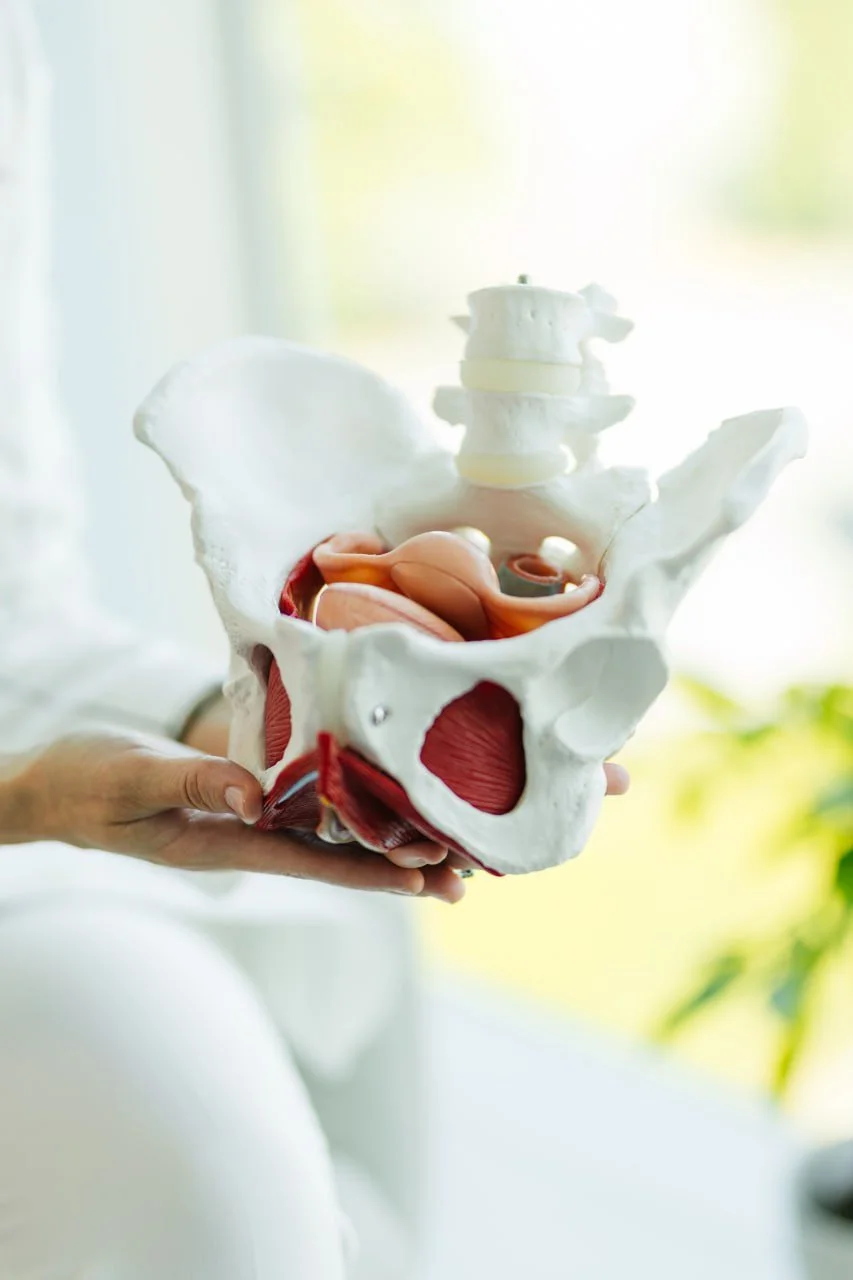
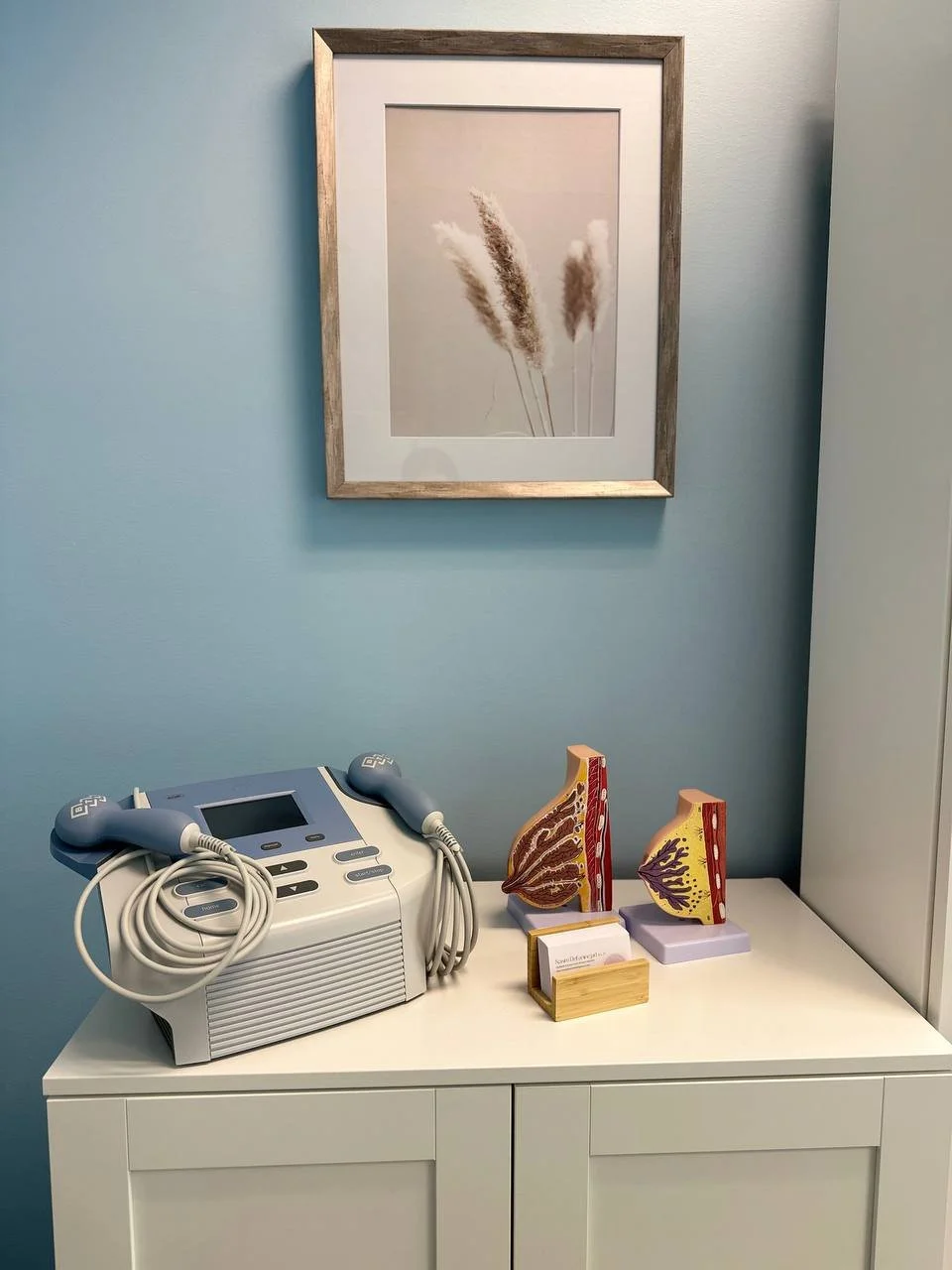

Here’s what sets our Cesarean rehabilitation apart:
✅Advanced postpartum rehabilitation expertise
We understand the layered impact of C-section recovery—from scar tissue and core weakness to pelvic floor dysfunction.
✅ Individualized treatment plans
Your recovery is never one-size-fits-all. Every session is tailored to your goals, symptoms, and lifestyle.
✅Comprehensive manual therapy & scar mobilization
We provide gentle, effective hands-on techniques to improve comfort and mobility.
✅ Deep core and pelvic floor retraining
We use evidence-based strategies to rebuild your strength from the inside out.
✅Trauma-informed, supportive environment
Your comfort, consent, and safety come first.
Women across Burnaby, Vancouver, and the Lower Mainland choose Ova for expert postpartum rehabilitation that helps them move, feel, and live better after a Cesarean birth.
Ready to Begin?
Don’t wait. The sooner we start, the sooner you can feel stronger and more supported. Space is limited due to high demand, but if you’re ready to take the first step toward lasting pelvic health, we’re here to help.
📌Related Blogs on Our Website
➡️Ultrasound Therapy for Clogged Milk Ducts
➡️Restoring Strength and Stability After Childbirth
➡️Understanding Diastasis Recti
➡️Lower Back Pain During Pregnancy
➡️To Birth & Beyond: The Benefits of Birth Preparation