First Time Sex: What to Expect, What’s Normal, and How to Prepare Your Body
First-time sex is one of those life moments surrounded by half‑truths, whispered warnings, and the occasional overly confident friend who promises it will be magical.
In reality, first-time sex is often somewhere between awkward, unfamiliar, tender, and unexpectedly meaningful and very rarely anything like what movies or social media suggest.
Many women wonder: Will it hurt? What should it feel like? Is what I’m experiencing normal? This article walks through first-time sex from a pelvic floor and nervous system perspective, separating expectation from physiology and offering practical, evidence‑informed guidance to help you feel prepared, informed, and supported.
⭐Key Takeaways
First-time sex feels different for everyone and is influenced by comfort, safety, expectations, and nervous system state.
Mild discomfort or pressure can be normal, but ongoing or severe pain is not.
Pelvic floor muscle tension, not anatomy or virginity myths, is the most common reason sex hurts the first time.
Arousal, lubrication, and emotional safety strongly affect comfort and pleasure.
Education, preparation, and pelvic floor physiotherapy can make first-time sex more comfortable and positive.
🎥Watch: First Time Sex: What to Expect, What’s Normal, and How to Make It Comfortable
This video explains what first-time sex feels like, how pelvic floor muscle tension can cause pain, and how preparation helps improve comfort and confidence.
What Does First Time Sex Feel Like?

There is no single “normal” way that first-time sex feels. Research shows that people describe their first sexual experiences across a wide emotional and physical spectrum, from excitement and curiosity to nervousness, awkwardness, vulnerability, or even anxiety.
Your experience is shaped by multiple factors, including your expectations, your relationship with your partner, how safe and supported you feel, cultural or religious messaging, and how prepared your body is for sexual activity. Many people report that first-time sex is simply not what they expected, for better or worse, and that’s completely normal.
Importantly, first-time sex is not a transformation. No one can tell whether you’ve had sex. It is not a rite of passage or a measure of worth. It is simply one moment in a much larger sexual life.
What to Know Before Having Sex for the First Time
Sex is not just a physical act; it is a biopsychosocial experience. That means your body, brain, emotions, beliefs, and environment all play a role in how sex feels.
Physical responses you may notice
Depending on the type of sexual activity involved, you may experience:
Increased blood flow to the vulva and vaginal opening, creating a feeling of fullness or swelling
Vaginal lubrication, which can range from minimal to abundant
Heightened sensitivity, as nerve endings become more responsive to touch
Pelvic floor muscle relaxation if your nervous system feels safe
Pelvic floor tension or clenching if you feel anxious, rushed, or pressured
Faster breathing, flushed skin, or a racing heartbeat
Emotional shifts that move quickly between excitement, vulnerability, tenderness, or uncertainty
You may or may not experience an orgasm, and both outcomes are completely normal. Orgasms vary widely, and many women do not orgasm with penetration alone, especially early on. This reflects physiology, not failure.
Does Sex Hurt the First Time?
Some discomfort during the first time of penetrative sex can be normal. You may feel pressure, stretching, or mild pain at the vaginal opening, particularly if your body is tense or under‑aroused. This discomfort often eases as arousal increases and tissues adapt.
However, moderate to severe pain, burning, sharp pain, pain that worsens during sex, or pain that lingers afterward is not normal. These symptoms may be related to pelvic floor muscle overactivity, vaginismus, tissue sensitivity, or nervous system guarding, all of which are treatable.
Pain is not something to push through. If sex consistently hurts, assessment and support can make a meaningful difference.

What Is Normal During First-Time Sex?

Many experiences are common and normal, including:
Feeling awkward, shy, or laughing through nerves
Needing to pause, change positions, or add lubricant
Talking through what feels comfortable
Not having an orgasm
Feeling emotional afterward
Mild discomfort with penetration
Light bleeding or no bleeding at all
It is also completely normal to skip penetration entirely or decide you are not ready. You get to choose when, how, and whether you have penetrative sex. Remember that sex is not just penetration.
What Is Not Normal During First-Time Sex?

Certain experiences deserve attention and care, including:
Sharp, burning, tearing pain
Heavy bleeding
Feeling pressured, unsafe, or panicked
Involuntary muscle tightening that prevents penetration
Ongoing pain with sex
These signs are often related to pelvic floor muscle tension, fear‑based guarding, or pain conditions that respond well to appropriate care.
How Culture and Religion Can Shape First-Time Sex
Sex does not exist in a vacuum. Cultural expectations, family beliefs, and religious teachings can deeply shape how safe or threatening sex feels to your nervous system.
Research shows that people raised in strict purity‑based environments often experience higher levels of sexual anxiety, shame, and difficulty relaxing during sexual activity. When sex is framed as dangerous, sinful, or identity‑defining, the body may respond with tension, reduced lubrication, and pain even when desire is present.
If you feel conflicted, guilty, or emotionally overwhelmed, there is nothing wrong with you. These responses reflect learned patterns, not personal failure.
Practical Tips to Make First-Time Sex More Comfortable

Learn about your pelvic floor
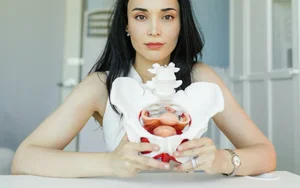
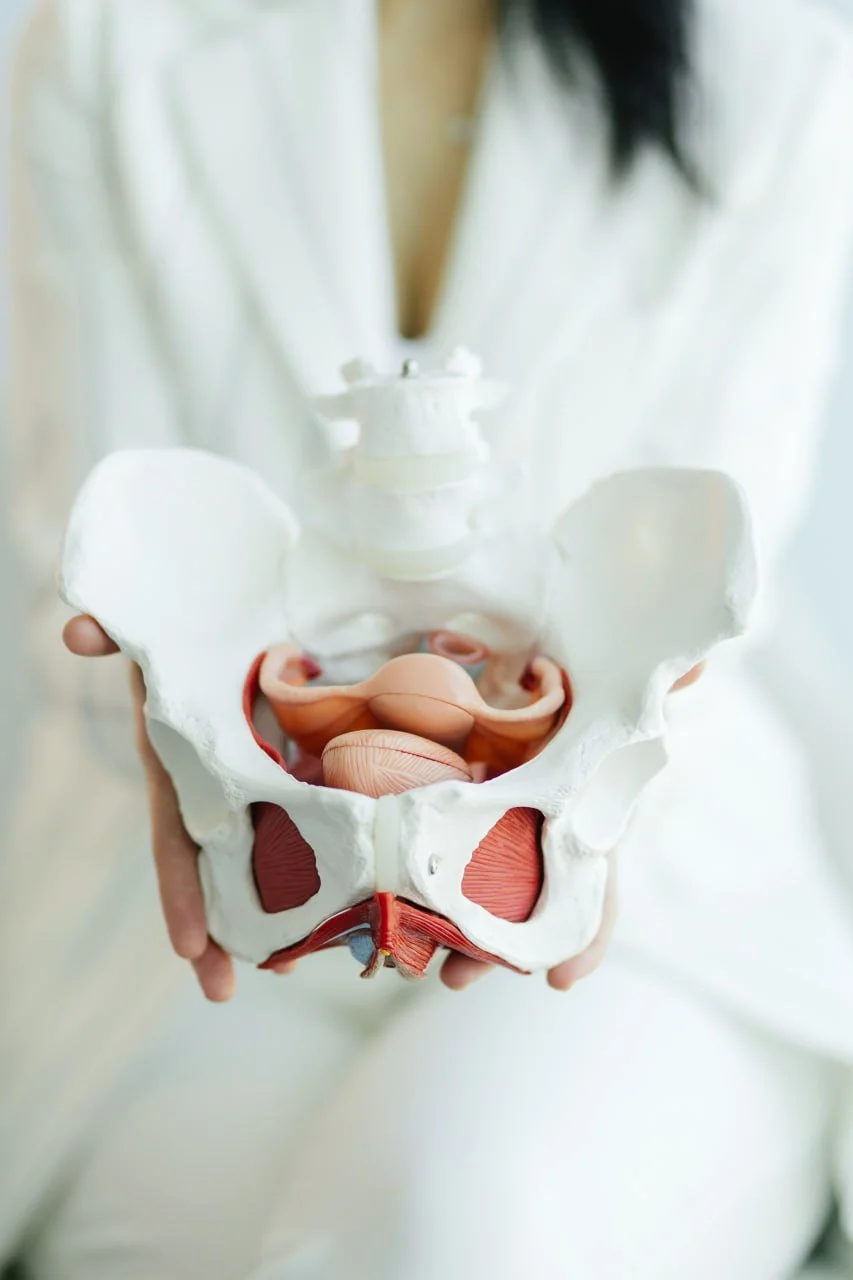
The pelvic floor is a group of deep muscles that plays a major role in sexual comfort. When these muscles can relax and lengthen, penetration feels easier. When they are tense, penetration can feel painful or blocked.
Practice pelvic floor softening
Gentle breathing, supported hip positions, and relaxation‑based stretches can reduce muscle guarding. Child’s pose, happy baby, and slow diaphragmatic breathing are commonly helpful.
Use lubricant generously
Lubrication reduces friction, protects tissues, and allows your body to relax. Stress, nerves, and hormonal factors can limit natural lubrication, and lube fills that gap safely.
Allow time for arousal
Arousal builds gradually. Touch, kissing, and external stimulation help your nervous system shift into a state where pleasure and comfort are more likely.
Choose positions that give you control
Positions that allow you to manage depth, pace, and angle often feel safer and more comfortable during first-time penetration.
Start small if penetration is involved
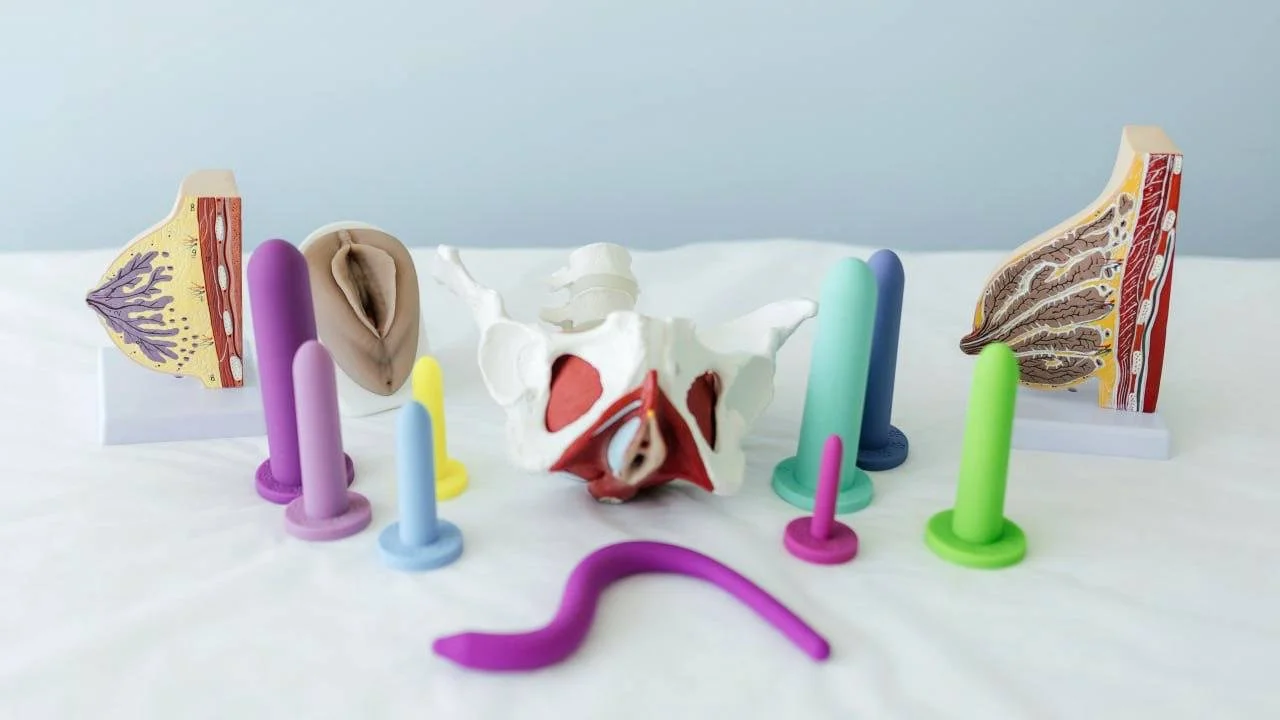
Beginning with a finger, a small dilator, or a slim sex toy can help your body adapt gradually.
Prepare both body and mind
Education, guided relaxation, and gradual exposure can make a meaningful difference. Self‑guided pelvic health programs may support comfort and confidence.
Protect your sexual health
Using protection and getting tested supports both physical safety and peace of mind.
❓FAQs About First Time Sex
-
Yes. Nervousness is extremely common and reflects anticipation, vulnerability, and newness. Feeling nervous does not mean something is wrong with you or your body.
-
No. Pain is not inevitable. Comfort depends largely on arousal, relaxation, emotional safety, and how your pelvic floor muscles respond. Many people do not experience pain during first-time sex.
-
No. Bleeding is not a reliable indicator of virginity, tissue changes, or whether penetration occurred. Many women do not bleed at all.
-
Yes. Pelvic floor muscle overactivity is one of the most common reasons penetration feels painful or blocked. This is related to muscle tension and nervous system responses, not anatomy.
-
Difficulty with penetration may be related to involuntary muscle guarding, anxiety, or fear-based tension. This is common and treatable with appropriate pelvic floor care. Proper assessment by a healthcare provider can determine the cause of your symptoms.
-
Yes. Many women do not orgasm during first-time sex. Orgasms vary widely, and penetration alone is not the most reliable pathway to orgasm for most women.
-
Absolutely. Stress and anxiety can increase pelvic floor muscle tension, reduce lubrication, and heighten pain sensitivity. Feeling safe and unpressured plays a major role in comfort.
-
No. The vagina does not become loose or stretched permanently after first-time sex. Vaginal tissues are elastic and adapt naturally.
-
Pain that is sharp, burning, worsening, persistent, or continues during future sexual experiences deserves assessment by a qualified healthcare provider or pelvic floor physiotherapist.
-
Yes. Pelvic floor physiotherapy can help address muscle tension, coordination issues, tissue sensitivity, and nervous system responses that contribute to painful intercourse.
-
It is completely valid to wait. Emotional readiness, consent, and feeling safe are just as important as physical readiness, and you are always allowed to set your own timeline.
Final Thoughts
First-time sex does not need to be painful, rushed, or fear‑based. With accurate information, preparation, and support, it can be approached with confidence, curiosity, and self‑compassion. If discomfort or anxiety persists, help is available, and your experience deserves care.
How Ova Supports Evidence‑Based Pelvic Health
When navigating questions about first‑time sex, discomfort with penetration, or anxiety around sexual experiences, it can be difficult to know what is normal, what deserves attention, and what kind of support is actually helpful. This is where assessment‑based pelvic floor care becomes essential.
At Ova Women’s Health Physiotherapy in Burnaby, we focus on helping women make sense of pelvic health information through clinical evaluation, education, and individualized care. Rather than offering blanket advice or quick fixes, we assess how your pelvic floor, vaginal tissues, nervous system, and daily demands are actually interacting and tailor care accordingly across all life stages, including menstrual health, postpartum recovery, pelvic pain, and sexual health.


What makes Ova different:
✅ Advanced expertise in pelvic floor dysfunction
Pelvic floor concerns related to first‑time sex are rarely about anatomy or “tightness” alone. We perform detailed assessments to understand muscle tone, coordination, relaxation ability, and how the pelvic floor interacts with breathing, posture, and nervous system responses, rather than offering generic recommendations.
✅ Education‑based care rooted in anatomy and physiology
We prioritize education so women understand how their pelvic floor and vaginal tissues function during arousal, penetration, and relaxation. This empowers informed decision‑making based on evidence, not myths, fear, or cultural messaging.
✅ Specialized biofeedback assessment with detailed clinical reporting
When appropriate, we use pelvic floor biofeedback as part of a comprehensive assessment process. Biofeedback allows us to objectively evaluate muscle activity, relaxation, coordination, and response to functional tasks. Following assessment, we provide detailed clinical reports that explain findings, relate them to symptoms, and guide individualized treatment planning.
✅ Individualized treatment rather than one‑size‑fits‑all approaches
Care may include relaxation and down‑training strategies, coordination retraining, breathing techniques, tissue desensitization, dilator training when appropriate, and nervous system regulation. Treatment is always tailored to the individual rather than assuming weakness or prescribing generalized solutions.
✅ Compassionate, unhurried care in a supportive environment
Concerns around sex can feel personal and vulnerable. Appointments at Ova are private, unhurried, and focused on listening, understanding, and supporting meaningful, sustainable change.
✅ Trusted by women across Burnaby, Vancouver, and the Lower Mainland
Women seek out Ova for expert pelvic floor physiotherapy when sexual discomfort, anxiety, or pelvic pain affects confidence and quality of life. Our reputation is built on clinical expertise, education, and care that respects women’s bodies and lived experiences.
Ready to Begin?
Don’t wait. The sooner we start, the sooner you can feel stronger and more supported. Space is limited due to high demand, but if you’re ready to take the first step toward lasting pelvic health, we’re here to help.
📌Related Blogs on Our Website
➡️Does Intercourse Loosen the Vagina?
➡️Painful Intercourse: A Comprehensive Guide
➡️Stress and Pelvic Floor Tension
➡️Vaginal Dilators: A Key Tool in Pelvic Floor Physiotherapy
➡️Yoni Eggs and Pelvic Floor Health
📌External References and Resources
🌐American College of Obstetricians and Gynecologists (ACOG) – Painful Intercourse