
Blog Topics













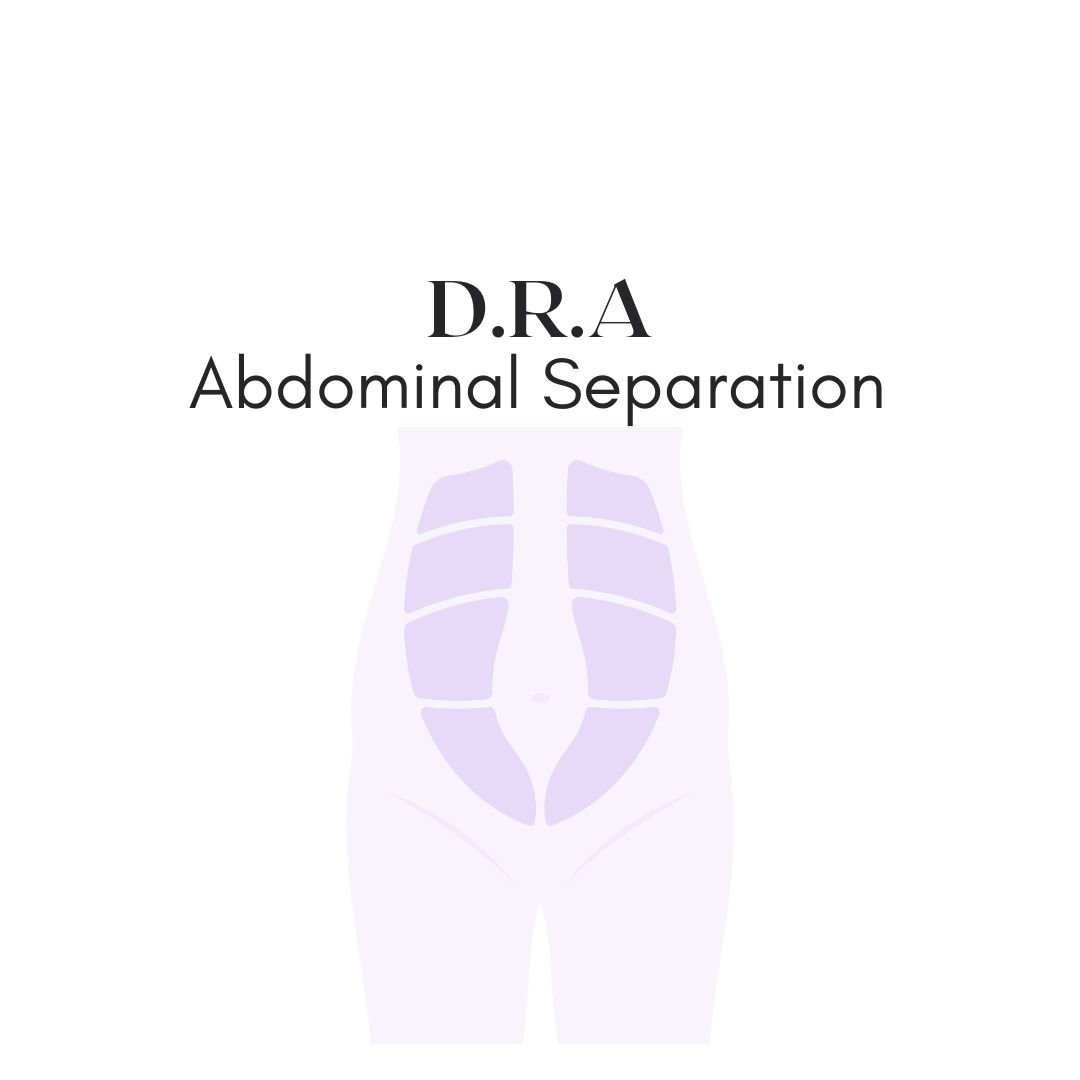


Understanding Interstitial Cystitis/Painful Bladder Syndrome
Interstitial Cystitis (IC), alternatively referred to as Painful Bladder Syndrome (PBS), is a persistent bladder condition. Predominantly impacting women, this condition can significantly influence one's quality of life, inducing discomfort, pain, and a sense of urgency regarding urination. Despite the absence of a definitive cure, there are avenues for relief.

Relieving Vulvodynia: A Journey From Pain to Pleasure
Vulvodynia is a multifaceted and often misconstrued condition impacting a significant number of women globally and can impact both the physical and emotional well-being of affected individuals. Pelvic Floor Physiotherapy is one of the primary treatments for managing this condition.

Painful Orgasm: Causes, Treatment Options, and the Role of Pelvic Floor Physiotherapy
Painful orgasms, also known as Dysorgasmia, can affect a woman’s quality of life and intimate relationships. In this blog, we explore the causes, such as pelvic floor dysfunction, clitoral adhesions, and more, and share evidence-based solutions, including pelvic floor physiotherapy for real relief.

Prioritize Your Pelvic Health: The Benefits of Pelvic Floor Physiotherapy
Pelvic health is vital for overall well-being, and regular visits to a pelvic floor physiotherapist can help prevent and treat issues like incontinence, pain, and sexual dysfunction. Even without symptoms, annual check-ups are recommended to maintain pelvic muscle health and detect early signs of dysfunction.

Biofeedback: A Game Changer for Pelvic Floor Health
Biofeedback is a key tool in pelvic floor physiotherapy, helping manage conditions like incontinence and pelvic pain. At Ova, we use biofeedback to personalize care and improve outcomes. This blog covers how biofeedback works and why it's essential for your pelvic health recovery.

Stress and Pelvic Floor Tension: How Stress Impacts Your Pelvic Health
This blog delves into the often-overlooked connection between chronic stress and pelvic floor tension. Learn how stress can contribute to symptoms like pelvic pain, incontinence, and bowel issues, and discover effective treatments such as pelvic floor physiotherapy. With practical tips on managing stress and improving pelvic health, this comprehensive guide offers valuable insights for long-term relief and well-being.

Painful Menstrual Cycles and the Role of Pelvic Floor Physiotherapy
Menstrual discomfort, often referred to as Dysmenorrhea, can be a challenging and incapacitating ordeal for many. Despite being a widespread concern among women, the profound effect it exerts on one's quality of life should not be overlooked. In this blog, we'll delve into the correlation between distressing menstrual cycles and the potential advantages of pelvic floor physiotherapy in managing this issue.

Pelvic Floor Health by the Numbers: Why Yearly Checkups Are a Must for Women
From painful sex and vulvodynia to vaginismus and menopause-related symptoms, pelvic floor issues affect millions—but most go undiagnosed. This blog breaks down the stats, misconceptions, and why annual checkups could change everything.

Restoring Strength and Stability After Childbirth
Childbirth marks a profound physical transformation, bringing immense joy alongside notable challenges. In the aftermath, many new mothers face issues with their pelvic floor and core muscles, experiencing discomfort and decreased functionality. Pelvic floor and core rehabilitation are essential during the postpartum period to address these changes. This guide explores the importance of these areas, outlines what rehabilitation entails, and highlights the benefits of dedicated postpartum care for women.

Managing Menopause with Pelvic Floor Physiotherapy
Menopause is a natural biological process signalling the end of a woman's reproductive years. The transition period leading up to menopause, known as perimenopause, and the years following it, bring significant changes to a woman's body. These changes often come with various symptoms impacting physical, emotional, and mental well-being.
In this blog, we delve into the common symptoms of pre and post-menopause and emphasize the vital role of pelvic floor physiotherapy in maintaining well-being during this transition.

What Is Round Ligament Pain?
Pregnancy is a beautiful and transformative journey for a woman, filled with numerous changes in her body. Along with the joy and anticipation, it can also bring discomfort and challenges. Round ligament pain is a common concern during pregnancy and can affect a woman's quality of life. Despite its prevalence, there are numerous treatment options to alleviate the pain.

Vaginal Burning After Sex: Causes and Effective Solutions
Struggling with vaginal burning after sex? You’re not alone, and there’s hope! Dive into our latest blog to uncover the causes behind this discomfort—like dryness, infections, and pelvic floor dysfunction—and explore proven solutions to find lasting relief.

The Essential Guide to Cesarean Birth Rehabilitation
Cesarean birth is a procedure known for its precision and care, to bring your baby safely into the world. By delicately navigating through the layers of the abdomen and uterus, a C-section ensures a secure and nurturing passage for your newborn. Although widely performed and often crucial, the Cesarean process may result in a scar that introduces a range of physical challenges, emphasizing the need for focused rehabilitation.
Perineal Scar Rehabilitation: The Role of Pelvic Floor Physiotherapy
Dealing with perineal scars can be an overwhelming experience, but thanks to advances in pelvic floor physiotherapy, there's now a hopeful avenue for healing. Many have yet to discover this effective treatment option. In this blog, we'll dive deep into perineal scar rehabilitation, revealing how crucial pelvic floor physiotherapy is in facilitating recovery and improving quality of life.

Lower Back Pain During Pregnancy
Pregnancy is a transformative and beautiful experience for many women, but it often comes with various physical challenges, one of which is lower back pain. Lower back pain during pregnancy is a common complaint, affecting approximately 50-70% of pregnant women. Understanding its causes and exploring effective treatments, such as pelvic floor physiotherapy, can greatly enhance the quality of life during this crucial time.

Managing Bowel & Bladder Issues During Pregnancy and Postpartum
Bowel and bladder issues are common during pregnancy and postpartum, but they are manageable. Pelvic floor physiotherapy can significantly enhance pelvic health, enabling women to experience motherhood with greater confidence and comfort.

Understanding Pudendal Neuralgia
Pudendal Neuralgia is a challenging condition that impacts the pudendal nerve, a crucial nerve in the pelvic region. Those grappling with this condition frequently face persistent pain, discomfort, and other bothersome symptoms. In this blog, our goal is to bring attention to Pudendal Neuralgia and delve into how Pelvic Floor Physiotherapy can play a role in its treatment.

Complete Guide to Pelvic Floor Physiotherapy During Pregnancy and Postpartum
Discover how pelvic floor physiotherapy supports you through every stage of pregnancy and postpartum recovery. From preventing incontinence and pelvic pain to preparing for birth and healing after delivery, this guide covers everything you need to know, including Emergency Ultrasound Therapy for Clogged Milk Ducts.

Vaginal Dilators: A Key Tool in Pelvic Floor Physiotherapy
Struggling with pelvic pain, tightness, or discomfort? Vaginal dilators could be the game-changer you need! Learn how they work, how to use them safely, and why expert guidance makes all the difference. Don’t miss this must-read guide to reclaiming your comfort and confidence!

Understanding & Managing Pelvic Girdle Pain During Pregnancy
Pelvic Girdle Pain (PGP) is a common concern for many pregnant individuals, and it can significantly impact the joyful journey of pregnancy. In this article, we will delve into what PGP is, its prevalence during pregnancy, and how Pelvic Floor Physiotherapy plays a crucial role in managing this discomfort.